
Creating a beautiful water feature in your Houston garden can transform your outdoor space into a tranquil retreat. The humid subtropical climate of Houston offers unique opportunities and challenges for such installations. This guide provides a step-by-step approach to designing and building a water feature that complements your garden’s aesthetics and thrives in Houston’s environment.
Assessing Your Garden Space
Evaluate Available Space
Begin by identifying a suitable location within your garden. Focus on areas visible from your home to maximize aesthetic enjoyment. Consider sunlight exposure, as most aquatic plants require direct sunlight to thrive. Avoid placing water features under large trees because falling leaves and debris can clog pumps and filers, increasing maintenance needs. Additionally, ensure the space allows for easy access for ongoing upkeep.
Consider Size and Scale
Measure your garden to determine appropriate dimensions for your water feature. A small pond or fountain may suit limited spaces, while larger gardens can accommodate more elaborate designs such as multi-tiered waterfalls or expansive ponds. The feature should complement existing landscape elements without overwhelming the space or appearing insignificant.
Selecting the Type of Water Feature
Pondless Waterfalls
Ideal for those seeking the soothing sight and sound of cascading water without the upkeep of a pond. These recirculate water through an underlying basin, which prevents stagnant water and minimizes mosquito breeding. Pondless waterfalls are perfect for smaller or low-maintenance gardens and can be installed against walls or as freestanding features.
Traditional Ponds
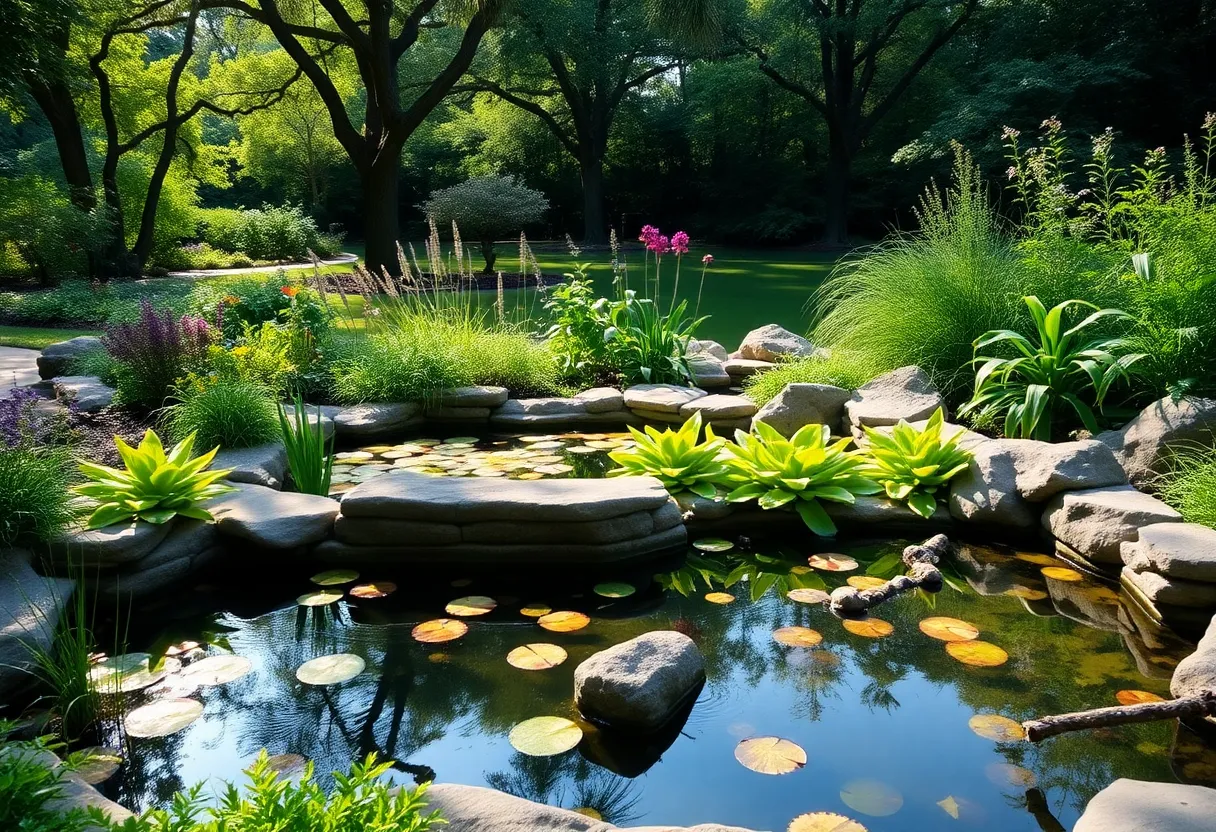
This type supports fish and aquatic plants, contributing to a naturalistic ecosystem. Traditional ponds require a larger footprint and regular maintenance, including water quality management. Incorporate a bio-filtration system to help keep water clean and support aquatic life, especially in Houston’s warm climate.
Fountains
Fountains add dynamic movement and visual interest. They are typically easier to install and maintain, especially in smaller gardens. Varying styles—from simple jet fountains to elaborate multi-tiered designs—allow customization to match your aesthetic preferences.
Planning and Design
Design the Layout
Sketch your garden layout, marking the proposed location and scale of the water feature. Use natural materials like stone or wood to embed the feature seamlessly into the landscape. Prioritize access for maintenance—pumps, filters, and plumbing should be reachable without extensive excavation.
Choose Materials
Select durable, weather-resistant materials suited for Houston’s humid subtropical climate. Use high-quality liners, pumps, and filtration systems designed for outdoor durability. Concrete, natural stone, and high-grade plastics are preferred for longevity and aesthetic appeal.
Incorporate Native Plants
Integrate native aquatic plants such as hornwort, pickerel rush, and swamp milkweed. These plants are adapted to Houston’s environment and naturally help regulate water quality while reducing maintenance needs. Native plants also attract beneficial wildlife, enhancing your garden’s ecological value.
Installation Process
Excavation
Begin by digging according to your design specifications, ensuring the depth supports aquatic life and plant roots. For ponds, a minimum of 18 inches depth is recommended to allow fish to overwinter safely. Use a flexible garden hose or spray paint to outline the shape before excavation.
Liner Installation
Cover the excavated area with a high-quality pond liner. Smooth out wrinkles to prevent water pooling and leaks. Allow sufficient liner overlap beyond the excavated edges for edging or retention materials.
Plumbing and Pump Setup
Install the pump and plumbing system following manufacturer instructions. Place pumps below water level to minimize noise. For waterfall features, ensure you have adequate piping to create the desired water flow and height. Use flexible tubing to reduce stress on connections.
Edging and Landscaping
Create a natural appearance using stones, bricks, or other landscape materials. Secure the liner at the edges with edging materials to prevent shifting or erosion. Surround the feature with native plants and mulch to improve integration into the existing landscape and reduce weed growth.
Maintenance and Care
Regular Cleaning
Perform weekly debris removal—including leaves and dirt—from the water surface. Clean pumps and filters biweekly or monthly, depending on debris accumulation. Mechanical and biological filtration help maintain water clarity.
Water Level Monitoring
Check water levels weekly, especially during hot Houston summers when evaporation rates increase. Top off with dechlorinated, spring-quality water to compensate for loss, preventing pumps from running dry.
Seasonal Adjustments
In winter, reduce the water level slightly to prevent freezing damage. Remove non-hardy plants before the first frost, and store or replace them in the spring. Consider installing a de-icer or reservoir to protect aquatic life from extreme cold.
Enhancing the Water Feature
Lighting
Use waterproof LED lighting to accentuate your feature at night. Proper illumination creates a serene ambiance and highlights landscape details, making your garden inviting after sunset.
Sound Elements
Supplement the water feature with wind chimes or small bells to amplify the tranquil auditory experience. The sound of flowing water, combined with gentle wind sounds, enhances your outdoor retreat.
Wildlife Attraction
Design shallow areas or stepping stones for birds and small animals to access water safely. Avoid chemical pesticides or herbicides near the feature to protect the local beneficial insects, birds, and amphibians. Installing birdbaths and native plants nearby further encourages wildlife interaction.
Conclusion
Building a beautiful water feature in your Houston garden involves strategic planning, selection of suitable materials, and regular maintenance. Taking into account Houston’s climate allows you to create a sustainable, low-maintenance installation that enhances your landscape’s visual and ecological appeal. Whether opting for a pondless waterfall, traditional pond, or fountain, focus on a design that complements your aesthetic and provides a peaceful outdoor retreat for years to come.
Frequently Asked Questions
What are the best native plants for water features in Houston?
Native aquatic plants such as hornwort (Ceratophyllum demersum), pickerel rush (Pontederia cordata), and swamp milkweed are well-suited to Houston’s humid subtropical climate. They help maintain water quality, attract beneficial wildlife, and reduce maintenance.
How can I prevent algae buildup in my Houston water feature?
In Houston’s warm climate, algae can grow rapidly. Regular cleaning, controlling nutrient input, and using natural algae control methods like barley straw or beneficial bacteria can help keep water clear without chemicals.
What considerations are important for winterizing water features in Houston?
Although Houston has mild winters, freezing can occur. Reduce water levels, remove non-hardy plants, and consider installing a de-icer or aerator to prevent ice formation and protect aquatic life during the coldest months.
Key Features of Creating a Water Feature in Houston
| Feature | Details |
|---|---|
| Climate Consideration | Designs must account for Houston’s humidity, heat, and mild winters to ensure longevity and ease of maintenance. |
| Material Durability | Use weather-resistant, UV-stable materials like high-grade plastics, natural stone, and concrete for longevity. |
| Native Plants | Incorporating local aquatic plants enhances ecological integration and reduces upkeep. |
| Maintenance | Regular cleaning, water monitoring, and seasonal adjustments are crucial for sustained beauty and function. |
| Wildlife Integration | Design features that attract local fauna increase ecological value and enjoyment. |

Author: STAFF HERE HOUSTON TX WRITER
The HOUSTON STAFF WRITER represents the experienced team at HEREHouston.com, your go-to source for actionable local news and information in Houston, Harris County, and beyond. Specializing in "news you can use," we cover essential topics like product reviews for personal and business needs, local business directories, politics, real estate trends, neighborhood insights, and state news affecting the area—with deep expertise drawn from years of dedicated reporting and strong community input, including local press releases and business updates. We deliver top reporting on high-value events such as Houston Livestock Show and Rodeo, Art Car Parade, and Chevron Houston Marathon. Our coverage extends to key organizations like the Greater Houston Partnership and Houston Area Urban League, plus leading businesses in energy and healthcare that power the local economy such as ExxonMobil, Schlumberger, and Houston Methodist. As part of the broader HERE network, including HEREAustinTX.com, HERECollegeStation.com, HEREDallas.com, and HERESanAntonio.com, we provide comprehensive, credible insights into Texas's dynamic landscape.