

News Summary
UTHealth Houston and UTMB Health are leading a groundbreaking clinical trial initiative supported by a $50 million state grant to explore ibogaine as a treatment for addiction, PTSD, and traumatic brain injury. This effort marks the largest publicly-funded psychedelic research program in U.S. history, aiming to advance medical understanding and provide new therapeutic options for critical behavioral health conditions. The initiative brings together various Texas institutions, reinforcing the state’s commitment to innovative healthcare solutions and academic excellence.
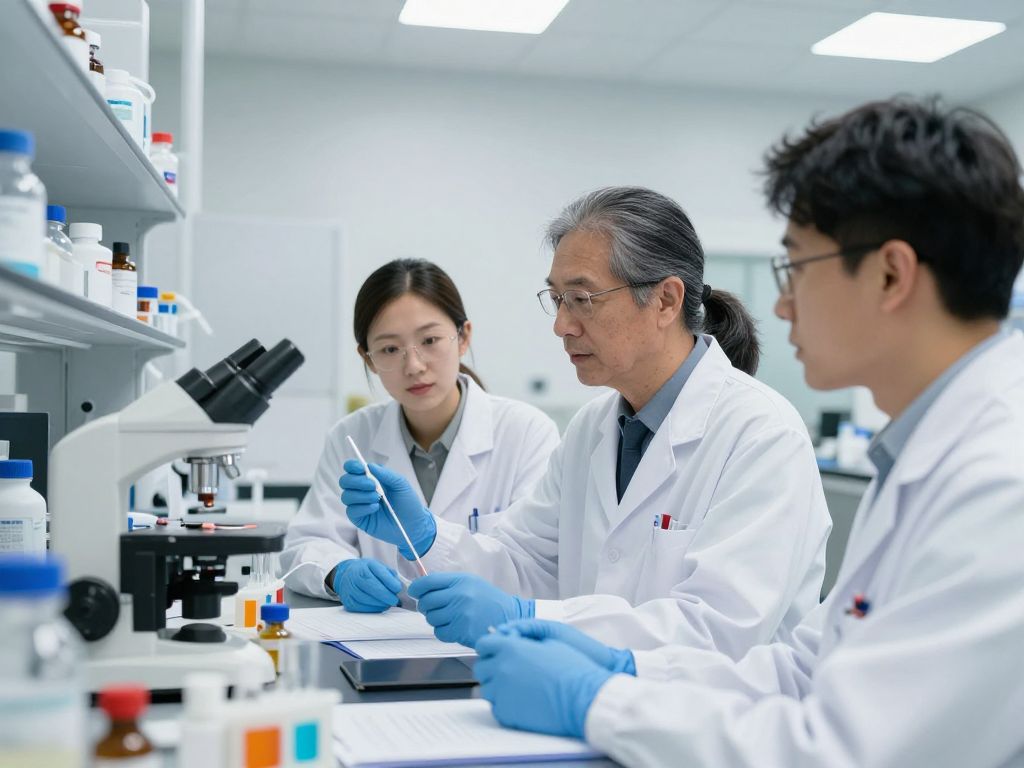
Houston, TX — The landscape of higher education and research in Texas continues to evolve, pushing boundaries in medicine and health sciences. A significant development sees UTHealth Houston, in collaboration with The University of Texas Medical Branch at Galveston (UTMB Health), spearheading a pioneering clinical trial initiative. This endeavor, backed by a substantial $50 million grant from the state of Texas, focuses on evaluating ibogaine as a potential treatment for a range of critical behavioral health conditions.
This landmark investment positions Houston’s academic health institutions at the forefront of innovative research, underscoring a commitment to addressing complex health challenges through rigorous scientific inquiry. The initiative is designed not only to advance medical understanding but also to foster academic excellence and provide invaluable experience for students and researchers across the state, ultimately impacting community well-being and the broader healthcare ecosystem in Texas.
State-Level Investment in Frontier Research
The state of Texas has allocated $50 million to support a collaborative, two-year, multicenter research trial focused on ibogaine. This substantial funding, awarded by the Texas Health and Human Services Commission (HHSC), empowers UTHealth Houston and UTMB Health to lead a statewide effort to explore the therapeutic potential of this psychedelic substance.
This initiative represents the largest publicly-funded psychedelic research program in United States history. The funding mechanism is structured as a public-private partnership, requiring nonstate matching funds equivalent to the state’s investment and ensuring Texas retains a financial stake in any successfully developed drug. The legislative foundation for this endeavor was established through the passage of Senate Bill 2308.
Addressing Critical Health Challenges
The clinical trials will specifically evaluate the effect of ibogaine on patients suffering from addiction, traumatic brain injury (TBI), and post-traumatic stress disorder (PTSD), alongside other behavioral health conditions. This targeted approach aims to provide new avenues for treatment in areas where conventional therapies may have limited success. The focus includes particular consideration for military veterans and first responders, who often face these debilitating conditions.
Ibogaine, a compound derived from the iboga shrub native to central Africa, has been historically utilized for medicinal and spiritual purposes in other countries for centuries. Despite its classification as a Schedule I drug in the United States, which indicates a high potential for abuse and no currently accepted medical use, ongoing research is exploring its potential to promote neuroplasticity—the brain’s ability to form new connections and change.
A Broad Consortium of Texas Institutions
The collaborative initiative, formally named the Ibogaine Medicine for PTSD, Addiction, and Cognitive Trauma (IMPACT) partnership, brings together a broad consortium of leading Texas institutions. Beyond UTHealth Houston and UTMB Health, key partners include Texas Tech University, Texas Tech University Health Sciences Center El Paso, The University of Texas at Austin, The University of Texas Health Science Center at San Antonio, The University of Texas at Tyler, The University of Texas Rio Grande Valley, Texas A&M University, The University of North Texas Health Science Center, Baylor College of Medicine, and JPS Health Network in Dallas.
Within this consortium, specific areas of focus have been identified. UTHealth Houston and its partners will concentrate on ibogaine treatment for addiction and associated conditions. Concurrently, The University of Texas at Austin and Baylor College of Medicine will direct their studies toward traumatic brain injury, with a particular emphasis on veterans. This multi-institutional approach leverages diverse expertise and resources across the state.
Advancing Scientific Rigor and Patient Safety
The primary objective of this statewide partnership is to conduct FDA-approved clinical trials, ensuring that ibogaine is studied through the highest scientific and medical standards, with patient safety as a paramount concern. The collaborative initiative is designed to accelerate the research and development of this psychoactive substance, ultimately seeking approval from the Food and Drug Administration to make ibogaine treatments accessible.
This commitment to rigorous, evidence-based research reflects the participating universities’ dedication to academic freedom and disciplined inquiry. The trials aim to gather comprehensive data on ibogaine’s efficacy and safety profile, laying the groundwork for potential future therapeutic applications.
Cultivating Innovation and Future Leadership
This significant state-funded research effort underscores Texas’s role in fostering innovation in higher education and healthcare. By uniting leading academic and medical institutions, the initiative aims to create a robust environment for scientific discovery and translational research.
The program is expected to build leadership capacity in medical research, attract top talent, and contribute to the economic vitality of Texas through advancements in biotechnology and healthcare. The emphasis on pioneering new treatments for complex conditions also reinforces the importance of personal responsibility in health management, offering hope for individuals seeking effective solutions. This collaborative model demonstrates how education and research can directly impact community health and well-being, solidifying Texas’s position as a leader in behavioral health innovation.
| Feature | Detail | Scope |
|---|---|---|
| Grant Amount | $50 million | State-level |
| Lead Institutions | UTHealth Houston, UTMB Health | State-level |
| Duration of Initial Trial | Two years | State-level |
| Primary Conditions Targeted | Addiction, Traumatic Brain Injury (TBI), Post-Traumatic Stress Disorder (PTSD) | State-level |
| Funding Source | Texas Health and Human Services Commission (HHSC) | State-level |
| Legislative Authorization | Senate Bill 2308 | State-level |
Looking Ahead: A New Era for Texas Health Research
The $50 million state grant to UTHealth Houston and UTMB Health for ibogaine clinical trials marks a pivotal moment for Texas TX higher education and medical research. This ambitious project, focusing on addiction, TBI, and PTSD, exemplifies a forward-thinking approach to healthcare challenges. It highlights the power of UT research collaborations and the dedication of institutions to academic excellence and societal impact. Readers are encouraged to stay informed about the progress of these vital trials and explore the extensive programs offered by UTHealth Houston and other leading universities. Engage with the ongoing advancements in Houston TX college news by visiting campus events and supporting the critical work that defines Texas’s commitment to leadership and community health.
***
Frequently Asked Questions (FAQ)
What is the purpose of the $50 million grant awarded to UTHealth Houston and UTMB Health?
The $50 million grant awarded by the state of Texas is to lead ibogaine clinical trials, evaluating its effect on patients suffering from addiction, traumatic brain injury, and other behavioral health conditions.
Which institutions are leading the ibogaine clinical trials?
UTHealth Houston, in collaboration with The University of Texas Medical Branch at Galveston (UTMB Health), is leading the ibogaine clinical trials.
What conditions will the ibogaine clinical trials primarily target?
The ibogaine clinical trials will primarily target addiction, traumatic brain injury (TBI), and post-traumatic stress disorder (PTSD), alongside other behavioral health conditions.
What is the duration of the initial research trial?
The initial research trial is a two-year, multicenter study.
Is the state of Texas retaining any interest in the outcomes of the research?
Yes, Texas will retain a financial stake in any successfully developed drug resulting from the trials, as part of the public-private partnership model.
Deeper Dive: News & Info About This Topic
HERE Resources

Author: STAFF HERE HOUSTON TX WRITER
The HOUSTON STAFF WRITER represents the experienced team at HEREHouston.com, your go-to source for actionable local news and information in Houston, Harris County, and beyond. Specializing in "news you can use," we cover essential topics like product reviews for personal and business needs, local business directories, politics, real estate trends, neighborhood insights, and state news affecting the area—with deep expertise drawn from years of dedicated reporting and strong community input, including local press releases and business updates. We deliver top reporting on high-value events such as Houston Livestock Show and Rodeo, Art Car Parade, and Chevron Houston Marathon. Our coverage extends to key organizations like the Greater Houston Partnership and Houston Area Urban League, plus leading businesses in energy and healthcare that power the local economy such as ExxonMobil, Schlumberger, and Houston Methodist. As part of the broader HERE network, including HEREAustinTX.com, HERECollegeStation.com, HEREDallas.com, and HERESanAntonio.com, we provide comprehensive, credible insights into Texas's dynamic landscape.