

News Summary
The University of Texas at Austin is undergoing significant expansion, particularly in West Campus, to enhance its research capabilities and accommodate its growing student population. This development reflects trends in Texas higher education and sparks important community discussions about student welfare and urban planning. Advocacy group SafeHorns is actively involved in advocating for student safety and the preservation of community spaces. UT Austin’s initiatives aim to balance institutional growth with the needs of students and the surrounding environment.
Houston, TX — The University of Texas at Austin is actively expanding its footprint, a strategic move aimed at enhancing its academic and research capabilities while accommodating its growing student population. This expansion, particularly into areas like West Campus, reflects a broader trend of growth within Texas higher education, driving both opportunities and discussions within the local community. However, this growth also brings critical conversations to the forefront regarding student well-being and the preservation of vital community spaces, championed by groups like SafeHorns.
As one of the nation’s largest institutions, UT Austin’s continuous development underscores the importance of balancing institutional aspirations with the dynamic needs of its students and the surrounding urban environment. The university’s commitment to innovation and academic excellence is a cornerstone of its mission, influencing its strategic real estate decisions and its engagement with the Austin community.
UT Austin’s Strategic Expansion and Growth
The University of Texas at Austin, a flagship institution, has embarked on significant expansion initiatives to further its mission as a leading public research university. Founded in 1883, UT Austin currently serves over 53,000 students and has a campus spanning 431 acres. This growth is guided by its Campus Master Plan, initially developed in 2013, which includes objectives such as acquiring additional land and developing academic facilities. The university’s strategic plans aim to foster a culture of innovation and entrepreneurship, supporting a robust ecosystem of research and development.
The expansion efforts are designed to meet the demands of increasing enrollment and to strengthen the university’s research infrastructure. UT Austin’s research expenditures totaled $1.06 billion for the 2023 fiscal year, demonstrating its significant role in advancing knowledge and innovation. These strategic investments are intended to position UT Austin at the forefront of various fields, including artificial intelligence, automation, energy, and semiconductors, often through partnerships with industry leaders.
West Campus: A Hub for Student Life
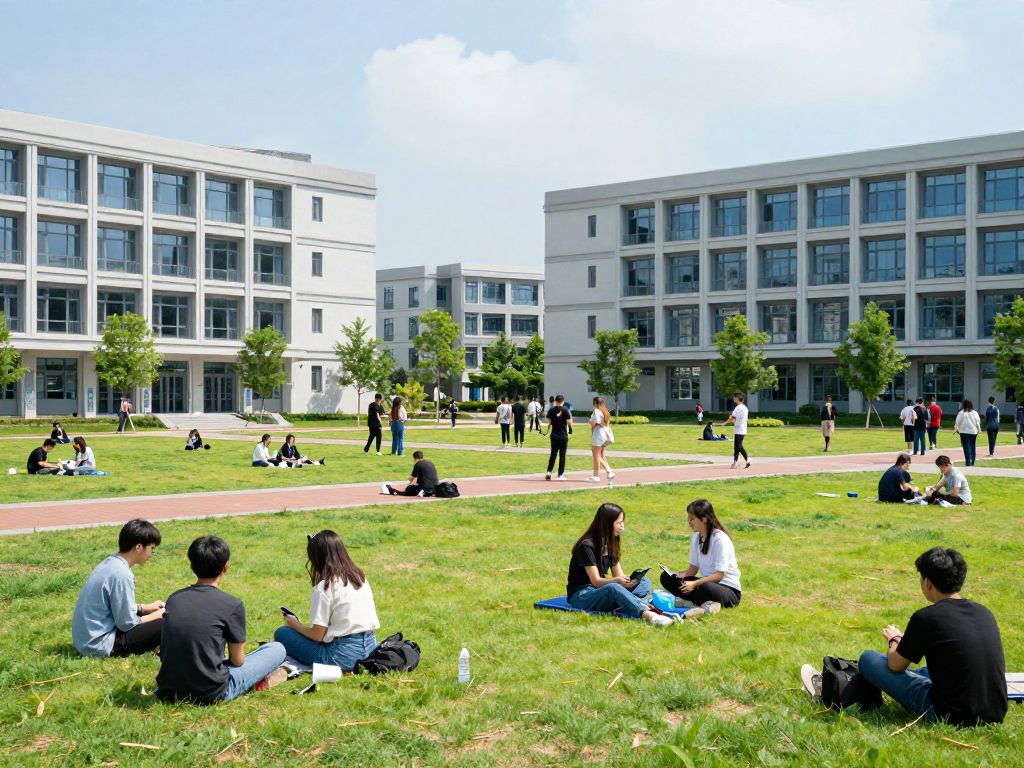
West Campus, adjacent to the main university grounds, is a critical area for UT Austin student life, providing housing and services for tens of thousands of students. Its walkability and proximity to campus amenities, including restaurants, shops, and entertainment, make it a desirable location for many students. The area has seen substantial population growth, increasing by 77% between 2000 and 2015. The Austin City Council has been considering zoning updates, such as the University Neighborhood Overlay (UNO), which aims to support high-density, affordable student housing and pedestrian-friendly infrastructure.
Despite these initiatives, ensuring sufficient and affordable housing remains a challenge, as demand often outpaces supply, leading to historically higher rental rates in West Campus compared to other parts of Austin. The university recognizes the importance of student housing close to campus to foster engagement and is exploring various strategies, including potential partnerships for privately funded housing and offering housing stipends to eligible students.
SafeHorns: Advocating for Student Welfare and Community
Amidst the university’s expansion and urban development, SafeHorns, an advocacy group comprising parents and community members, plays a crucial role in championing public safety and student welfare in and around the UT Austin campus. Established following a tragic incident in 2016, SafeHorns focuses on advocating for increased safety measures, improved communication between law enforcement and students, and the preservation of community spaces.
The organization actively engages with city leaders and local stakeholders to implement Crime Prevention Through Environmental Design (CPTED) principles, which aim to reduce crime by optimizing public space design for visibility and natural surveillance. SafeHorns’ efforts extend to practical initiatives, such as advocating for blue light call boxes in high-crime areas of West Campus and securing city approval for improved lighting. Their work emphasizes the collective responsibility in fostering a secure and supportive environment for all members of the Houston TX college news community.
Community Engagement and Safety Initiatives
The dialogue surrounding UT Austin’s expansion highlights the need for continuous collaboration between the university, city officials, and community groups. SafeHorns, for instance, emphasizes that public safety measures should extend beyond campus boundaries into surrounding neighborhoods where students reside. The UT System has invested in safety initiatives in West Campus, including establishing a UT Police Department (UTPD) satellite office, installing high-activity location observation (HALO) cameras, and increasing UTPD patrols.
Additionally, UT Austin has renewed its West Campus Ambassadors program, which provides a dedicated team for safety, cleaning, and hospitality services. Since its launch in August 2023, ambassadors have escorted over 1,300 people, removed over 100,000 pounds of trash, and engaged with more than 50,000 students and visitors. These programs, alongside student-focused transportation services like SUREWalk and UT Night Rides, underscore a multi-faceted approach to enhancing security and convenience for the student population.
Economic and Academic Impact in Texas TX
The University of Texas at Austin significantly contributes to the Texas TX higher education and economic landscape. As one of the largest employers in Austin, the university generates substantial economic activity. Its students provide an estimated annual economic boost of $823 million to the local economy, and this spending further stimulates an additional $5.8 billion statewide. UT Austin’s research endeavors, with expenditures exceeding $1 billion, lead to patents, licensing opportunities, and the creation of start-up companies, further fueling the state’s economy.
Academically, the university offers 115 undergraduate and 192 graduate degree programs, producing nearly 13,000 graduates annually who contribute to various sectors across the state. Efforts to strengthen industry partnerships and expand research initiatives, particularly in emerging fields, ensure that UT Austin continues to equip students with the skills necessary for a dynamic workforce and sustained economic growth.
Key Initiatives and Impact Summary
| Initiative/Area | Description/Impact |
|---|---|
| UT Austin Expansion | Acquisition of properties and development of academic facilities guided by the Campus Master Plan to accommodate growing enrollment and research needs. |
| Research Expenditures | Totaled $1.06 billion in FY 2023, fostering innovation in AI, semiconductors, and other fields. |
| West Campus Vitality | Hub for student housing and amenities, undergoing zoning updates to increase density and address affordability. |
| SafeHorns Advocacy | Parent-led group advocating for public safety, improved lighting, emergency call boxes, and community engagement in student neighborhoods. |
| West Campus Ambassadors | Program providing safety escorts, cleaning services, and community engagement, renewed for 2025-2026. |
| Economic Contribution | Generates $8.2 billion in business activity and supports 59,000 jobs in Texas annually. |
Conclusion: Building a Future for Austin’s Scholars
The ongoing expansion of the University of Texas at Austin into areas like West Campus represents a commitment to advancing University of Texas TX‘s academic and research ambitions. While this growth promises enhanced educational opportunities and significant economic benefits for the state, it also underscores the vital need for thoughtful urban planning and robust community engagement. Organizations like SafeHorns play an essential role in ensuring that student welfare, safety, and access to necessary resources remain central to development discussions.
As Houston and the broader Texas region continue to grow, the collaborative efforts between educational institutions, local government, and community advocates will be crucial in fostering environments that support academic excellence, personal responsibility, and a vibrant student experience. Readers are encouraged to stay informed about these developments and explore the various programs and initiatives that contribute to the flourishing Houston TX college news community.
Frequently Asked Questions (FAQ)
- What is the University of Texas at Austin’s current student enrollment?
- The University of Texas at Austin had an enrollment of 53,864 students as of fall 2024.
- What is SafeHorns?
- SafeHorns is an advocacy group created and run by University of Texas at Austin parents and community members dedicated to fighting for public safety for students and stakeholders around the UT Austin campus and surrounding student neighborhoods.
- What is the economic impact of UT Austin on the Texas economy?
- The University of Texas at Austin annually generates $8.2 billion in business activity and $2.4 billion in personal income in Texas.
- What is the West Campus Ambassadors program?
- The West Campus Ambassadors program is a specialized safety, cleaning, and hospitality team serving tens of thousands of students living in Austin’s West Campus neighborhood, which was renewed for the 2025-2026 academic year.
- What is the Campus Master Plan for UT Austin?
- Developed in 2013, the current Campus Master Plan details plans for spaces and partnerships, including gaining about 150 acres through land acquisition, building the now-complete Dell Medical School, and adding academic facilities to West Campus.
Deeper Dive: News & Info About This Topic
HERE Resources
Immigrant Workers Drive Home Construction Growth in Houston
UTA Launches New Employee Separation and Retirement Programs
University of Texas at Austin Introduces New Majors
Houston Powers Up: Texans Playoff Excitement Unites the City
Houston: A Hub of Digital Innovation and Economic Growth
True Protection Expands Commercial Security Services in Houston
Philanthropic Gifts Transform Texas Medical Education
UT Austin Advances in Research Commercialization
TGR Foundation Celebrates 30th Anniversary with Major Grant
Houston’s Fire Protection Leader Recognized for Excellence

Author: STAFF HERE HOUSTON TX WRITER
The HOUSTON STAFF WRITER represents the experienced team at HEREHouston.com, your go-to source for actionable local news and information in Houston, Harris County, and beyond. Specializing in "news you can use," we cover essential topics like product reviews for personal and business needs, local business directories, politics, real estate trends, neighborhood insights, and state news affecting the area—with deep expertise drawn from years of dedicated reporting and strong community input, including local press releases and business updates. We deliver top reporting on high-value events such as Houston Livestock Show and Rodeo, Art Car Parade, and Chevron Houston Marathon. Our coverage extends to key organizations like the Greater Houston Partnership and Houston Area Urban League, plus leading businesses in energy and healthcare that power the local economy such as ExxonMobil, Schlumberger, and Houston Methodist. As part of the broader HERE network, including HEREAustinTX.com, HERECollegeStation.com, HEREDallas.com, and HERESanAntonio.com, we provide comprehensive, credible insights into Texas's dynamic landscape.