

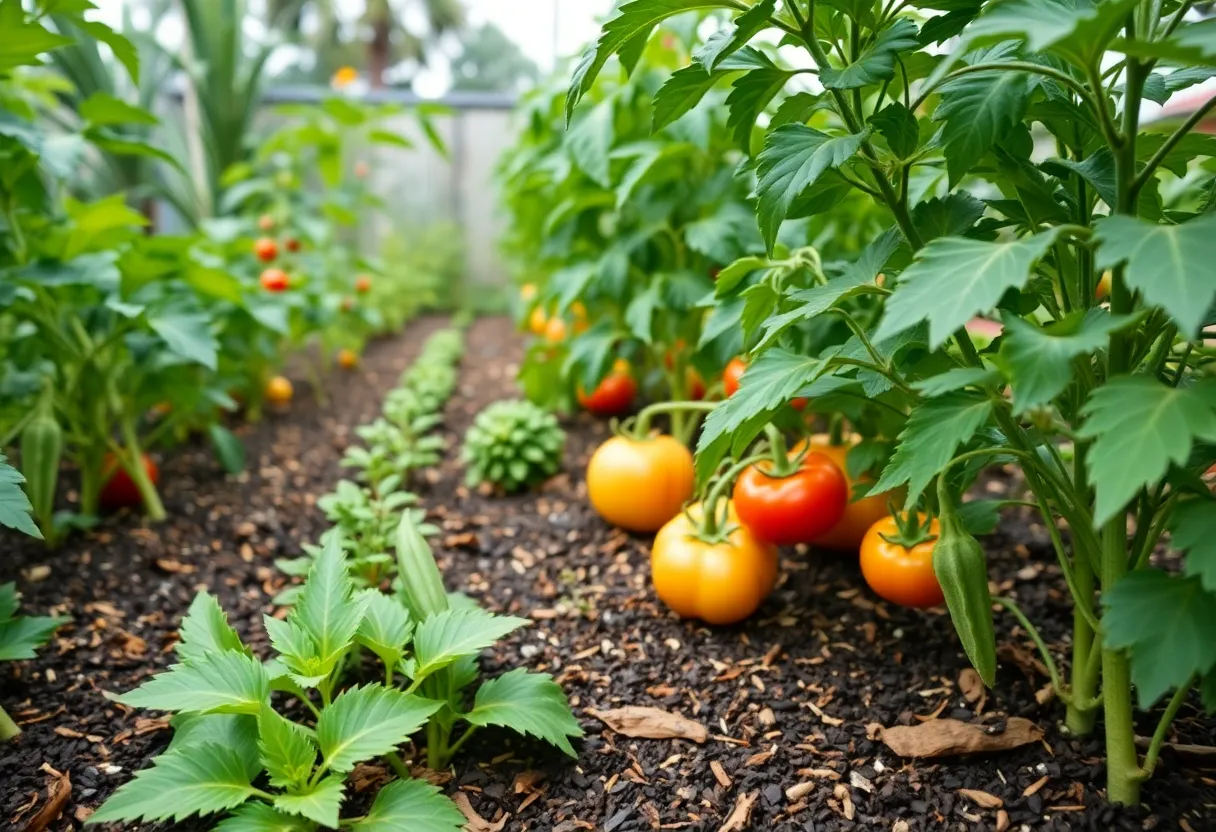
10 Essential Tips for Creating a Lush Vegetable Garden in Houston’s Humid Climate
Houston’s humid climate presents unique challenges for vegetable gardening. High temperatures, persistent humidity, and frequent rainfall can inhibit plant health if not managed properly. However, with strategic planning and informed practices, gardeners can establish vibrant, productive vegetable gardens. This guide presents ten core strategies to optimize growth, health, and yields in Houston’s challenging environment.
1. Select Heat-Tolerant and Humidity-Resistant Varieties
In Houston’s climate, choosing appropriate plant varieties is crucial for success. Not all vegetables thrive in intense heat and humidity. Focus on cultivars selected for resilience under these conditions. Heat-tolerant crops such as okra, sweet potatoes, eggplants, peppers, and specific heat-hardy tomato varieties perform reliably.
Likewise, leafy greens like Swiss chard and herbs such as basil and cilantro tend to flourish if their varieties are adapted to warm weather. Incorporating disease-resistant seed varieties reduces vulnerability to common diseases prevalent in humid environments, like fungal issues and pest infestations. Proper selection underpins successful gardening in Houston’s climate.
2. Implement Efficient Irrigation Techniques
Water management is pivotal. In Houston’s humid environment, excessive watering can encourage disease, while insufficient watering stunts growth. Implementing targeted irrigation maximizes efficiency. Drip irrigation systems deliver water directly to roots, reducing evaporation and leaf wetness.
Adopt a watering schedule that prioritizes early morning or late afternoon to maximize absorption and minimize fungal risks. Rainwater harvesting can supplement water needs economically and sustainably, especially during rainy seasons. Routine soil moisture monitoring ensures consistent hydration without waterlogging, protecting roots from rot and other moisture-induced issues.
3. Enhance Soil Drainage and Fertility
Well-draining soil mitigates waterlogged conditions that promote root rot and disease spread. Building raised beds elevates planting zones, improving drainage and soil warmth, which accelerates seed germination and root development.
Incorporating high-quality compost or well-rotted manure enhances soil fertility and texture. Regular soil testing provides data on pH and nutrient levels, enabling precise amendments. Focus on balancing soil to support vigorous, healthy plants resistant to disease and stress.
4. Apply Mulch Strategically
Mulching offers multiple benefits tailored to humid conditions. A 2-3 inch layer of organic mulch, such as straw, wood chips, or shredded leaves, helps retain soil moisture, suppress weeds, and reduce soil splash.
Mulch moderates soil temperature fluctuations and insulates roots from extreme heat. It also aids in soil pathogen reduction by limiting soil contact with plant foliage, thereby lowering fungal disease risks. Keep mulch slightly away from stems to prevent rot and pests, and reapply as needed for consistency.
5. Provide Shade During Peak Heat
Excessive summer heat can stress plants, decreasing yields and increasing disease susceptibility. Shading is an effective mitigation method. Install shade cloth over beds during midday hours to reduce sun exposure. Adjust height and coverage based on plant tolerance and season.
Utilize natural shading by planting taller crops on the west side of the garden, shielding smaller plants from the intense afternoon sun. Temporary solutions like umbrellas or fabric sheets can protect vulnerable plants during extreme heat waves. The goal is to limit heat stress while maintaining adequate light for growth.
6. Practice Companion Planting
Companion planting involves pairing plants to enhance growth, reduce pests, and improve overall garden health. Certain plant combinations can provide natural pest deterrents and beneficial microclimates. For example:
- Growing basil near tomatoes can repel certain pests.
- Marigolds act as pest repellents for multiple vegetables.
- Using taller crops like corn or sunflowers to shade lower-growing vegetables reduces heat stress and helps control humidity around sensitive plants.
This method also optimizes space and creates microenvironments that improve plant resilience against the humid suffering caused by pests and diseases.
7. Monitor and Manage Pests and Diseases
Humidity fosters the proliferation of pests and disease-causing organisms. Vigilance is essential. Conduct regular inspections for signs of fungal growth, discolored foliage, or pest presence. Early detection is critical to containment.
Opt for organic pesticides or introduce beneficial insects like ladybugs to control harmful pests without chemical reliance. Proper plant spacing ensures air circulation, reducing humid pockets that favor disease. Implementing integrated pest management practices preserves plant health and minimizes chemical use.
8. Implement Proper Pruning and Thinning
Maintaining healthy airflow is vital in humid climates. Pruning removes dead or diseased foliage, enabling better air movement through the canopy. Proper thinning reduces crowding, which diminishes humidity around plants and prevents fungal development.
Supporting plants with stakes, trellises, or cages keeps foliage off the ground. This practice reduces contact with soil-borne pathogens and facilitates air circulation, promoting overall plant vigor and disease resistance.
9. Choose the Right Planting Times
Timing influences plant success dramatically. Plant heat-tolerant crops in late spring and early summer. For cooler months, plan cool-season crops like lettuce, spinach, or root vegetables during milder weather windows.
Succession planting—staggering sowing dates—ensures continuous harvests and buffers against crop failure from sudden weather shifts. Staying attentive to local weather patterns allows gardeners to optimize planting and harvesting windows, avoiding excessive heat or storms.
10. Maintain Soil Health
Soil health is the foundation of a productive garden. Regular additions of compost or organic matter replenish nutrients depleted by vigorous plant growth and heavy rains. Adopt cover cropping during off-seasons to improve soil structure, prevent erosion, and fix nitrogen.
Periodic soil testing directs targeted amendments, ensuring the pH and nutrients remain within optimal ranges. Healthy soil sustains resilient plants capable of withstanding humid stresses and pests, leading to better yields and plant longevity.
Summary
Creating a successful vegetable garden in Houston’s humid climate requires intentional plant selection, sustainable water management, soil enhancement, and proactive pest control**. Consistent efforts in these areas will cultivate a vigorous, high-yielding garden.
Frequently Asked Questions
What vegetables are best suited for Houston’s humid climate?
Heat-tolerant and disease-resistant varieties such as okra, sweet potatoes, eggplants, peppers, and certain tomatoes perform best. Leafy greens like Swiss chard and herbs such as basil also thrive when varieties are chosen carefully.
How can I improve drainage in my soil?
Build raised beds and incorporate organic matter like compost or well-rotted manure. These methods enhance soil structure, promote drainage, and increase fertility.
What irrigation methods are most efficient for humid climates?
Drip irrigation is most effective, delivering water directly to roots and minimizing excess moisture on foliage. Water early in the day, and consider rainwater harvesting for sustainability.
How do I prevent fungal diseases in a humid environment?
Use mulch to reduce soil splash, maintain adequate plant spacing for airflow, prune regularly, and select resistant varieties. Also, avoid overhead watering late in the day to allow foliage to dry quickly.
When is the best time to plant in Houston?
Plant heat-tolerant vegetables from late spring through early summer. Cool-season crops should be sown during mild weather periods in fall or early spring. Stagger planting dates to maximize yields.
Key Features Chart: Successful Vegetable Gardening in Houston
| Feature | Best Practices |
|---|---|
| Plant Selection | Choose heat-tolerant, disease-resistant varieties suited for Houston’s climate. |
| Water Management | Use drip irrigation, water early, and harvest rainwater. |
| Soil Enhancement | Build raised beds, incorporate organic matter, and perform soil testing. |
| Mulching | Apply organic mulch to retain moisture, regulate temperature, and prevent disease. |
| Shade Provision | Use shade cloth and strategic planting to protect plants from peak heat. |
| Companion Planting | Grow beneficial plant combinations to deter pests and improve growth. |
| Pest & Disease Control | Regular inspection, organic treatments, proper spacing, and pruning. |
| Planting Schedule | Align planting times with seasonal weather patterns for optimal growth. |
| Soil Health | Maintain with compost, cover crops, and regular testing. |

Author: STAFF HERE HOUSTON TX WRITER
The HOUSTON STAFF WRITER represents the experienced team at HEREHouston.com, your go-to source for actionable local news and information in Houston, Harris County, and beyond. Specializing in "news you can use," we cover essential topics like product reviews for personal and business needs, local business directories, politics, real estate trends, neighborhood insights, and state news affecting the area—with deep expertise drawn from years of dedicated reporting and strong community input, including local press releases and business updates. We deliver top reporting on high-value events such as Houston Livestock Show and Rodeo, Art Car Parade, and Chevron Houston Marathon. Our coverage extends to key organizations like the Greater Houston Partnership and Houston Area Urban League, plus leading businesses in energy and healthcare that power the local economy such as ExxonMobil, Schlumberger, and Houston Methodist. As part of the broader HERE network, including HEREAustinTX.com, HERECollegeStation.com, HEREDallas.com, and HERESanAntonio.com, we provide comprehensive, credible insights into Texas's dynamic landscape.