

News Summary
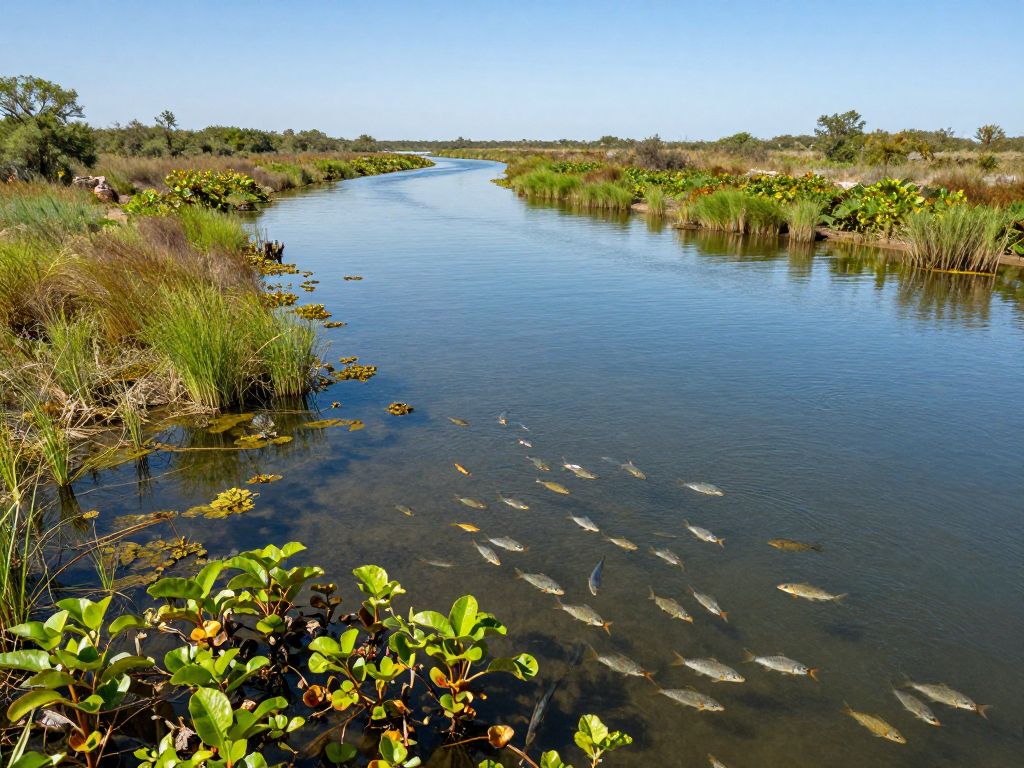
The ecological landscape of Texas is shifting as researchers at the University of Texas at San Antonio track the northward migration of tropical fish. This research highlights the pressing environmental challenges posed by climate change on local ecosystems. The work, led by Assistant Professor Matthew Troia, aims to understand how these changes impact Texas’s aquatic resources and biodiversity, emphasizing the role of academic institutions in addressing climate threats. Supported by a U.S. National Science Foundation grant, this critical research contributes significantly to environmental stewardship efforts across the state.
Houston, TX —
Texas Waterways Face New Climate Challenges
The ecological landscape of Texas, known for its diverse waterways and aquatic life, is experiencing shifts that are drawing significant attention from researchers across the state. In an era where environmental dynamics are increasingly impacted by global climate patterns, institutions of higher education in Texas are at the forefront of understanding these complex changes. This commitment to rigorous inquiry and scientific advancement underscores the dedication of Texas universities to addressing pressing environmental challenges that affect both local ecosystems and the broader community.
One such vital initiative is underway at the University of Texas at San Antonio (UT San Antonio), where faculty are diligently tracking the northward migration of tropical fish. This research, an example of disciplined scientific investigation, provides crucial insights into the evolving threats posed to Texas’s natural aquatic resources. By focusing on fundamental ecological shifts, UT San Antonio contributes significantly to the collective knowledge base necessary for informed environmental stewardship and regional resilience, embodying the spirit of academic freedom in pursuing critical understanding.
The Shifting Waters: Tropical Fish Migration and Climate Threats
The phenomenon of tropical fish migrating northward presents a tangible indicator of broader climate threats impacting aquatic environments. As water temperatures fluctuate and environmental conditions change, species naturally adapt by extending their geographic ranges. This shift, however, can introduce new complexities into existing ecosystems, potentially altering native species populations and overall aquatic health. The detailed tracking of these migrations is essential for understanding the cascade of effects on local biodiversity and the stability of Texas waterways.
UT San Antonio Leads Research into Climate Impact
At the forefront of this critical ecological investigation is Assistant Professor Matthew Troia at UT San Antonio. Professor Troia’s research focuses on the implications of these northward-moving tropical fish for Texas waterways. This dedicated work exemplifies the commitment of Texas institutions to addressing significant environmental questions through scientific rigor and empirical observation. The findings from such research are invaluable for developing strategies to protect and manage the state’s aquatic resources against emerging climate challenges.
Advancing Scientific Understanding with National Support
The vital research conducted by Professor Troia and his team at UT San Antonio is supported by a grant from the U.S. National Science Foundation. This funding underscores the national recognition of the importance of this work in understanding climate threats and their ecological consequences. Such federal investment in academic research is instrumental in fostering innovation and enabling universities to undertake comprehensive studies that have far-reaching implications for environmental policy and conservation efforts across the nation and specifically within the state of Texas.
Implications for Texas Aquatic Ecosystems
The movement of tropical fish into previously cooler Texas waters can have profound implications for the state’s aquatic ecosystems. These include potential competition with native species for resources, changes in food web dynamics, and the introduction of new diseases or parasites. Understanding these potential shifts is crucial for maintaining the ecological balance of Texas rivers, lakes, and coastal areas. This scientific work is a testament to the personal responsibility that researchers and institutions take in safeguarding natural heritage for future generations. The data gathered provides a foundation for proactive conservation measures.
Broader Context: Global and Local Climate Science
While Professor Troia’s work focuses specifically on Texas, it aligns with broader global efforts to track and understand environmental changes. The phenomenon of marine megafauna space use being globally tracked highlights a widespread scientific endeavor to comprehend how species adapt to environmental shifts. Similarly, the ongoing discussion about how a warming planet can impact various global regions, from glaciers to flood patterns, underscores the interconnectedness of climate science. The dedicated research at UT San Antonio contributes a vital regional piece to this larger, complex puzzle, demonstrating local leadership in a global scientific conversation.
Fostering Future Leaders in Environmental Stewardship
Universities like UT San Antonio are not only centers for groundbreaking research but also incubators for future leaders and responsible citizens. Through involvement in projects such as Professor Troia’s, students gain invaluable hands-on experience in scientific methodology, data analysis, and critical thinking. This direct engagement with real-world environmental challenges cultivates a sense of personal responsibility and a commitment to stewardship, preparing graduates to make impactful contributions to their communities and the broader scientific field. By emphasizing academic excellence and practical application, Texas higher education continues to build a robust foundation for a sustainable future.
The ongoing research at UT San Antonio into the northward migration of tropical fish and its implications for Texas waterways represents a critical endeavor in understanding our changing environment. This work, supported by national funding, highlights the pivotal role of Texas universities in conducting rigorous, impactful science. As Houston and the wider Texas community continue to adapt to evolving environmental realities, the insights gleaned from such dedicated academic pursuits will be indispensable. We encourage readers to stay informed about the latest developments from Texas universities and explore the many programs and initiatives that contribute to our state’s leadership in education and environmental resilience.
Research Overview: Climate Threats to Texas Waterways
| Aspect | Detail | Scope |
|---|---|---|
| Research Institution | University of Texas at San Antonio (UT San Antonio) | State-level |
| Lead Researcher | Assistant Professor Matthew Troia | State-level |
| Primary Focus | Tracking northward movement of tropical fish and climate threats to Texas waterways | State-level |
| Funding Source | U.S. National Science Foundation | Nationwide |
| Key Ecological Challenge | Impact of climate change on aquatic ecosystems | State-level |
Frequently Asked Questions
What is Assistant Professor Matthew Troia researching?
Assistant Professor Matthew Troia at UT San Antonio is tracking climate threats to Texas waterways as tropical fish move north.
Which institution is conducting this research on tropical fish migration?
The University of Texas at San Antonio (UT San Antonio) is conducting this research on tropical fish migration.
What is the primary focus of the research at UT San Antonio regarding fish?
The primary focus of the research at UT San Antonio is tracking the northward movement of tropical fish and the associated climate threats to Texas waterways.
Who funds Assistant Professor Matthew Troia’s research?
Assistant Professor Matthew Troia’s research is funded by the U.S. National Science Foundation.
What are the implications of tropical fish moving north for Texas?
The implications of tropical fish moving north for Texas involve potential climate threats to Texas waterways and changes within aquatic ecosystems.
Deeper Dive: News & Info About This Topic
HERE Resources
Houston Weekend: Markets & Mardi Gras Spark Community
10 Essential Tips for Creating a Lush Vegetable Garden in Houston’s Humid Climate
Hood County Rejects Moratorium on Data Center Development
League City Welcomes New Baskin Robbins Boosting Local Economy
Texas Examines Data Center Water Use Amidst Growth Boom
UT Austin’s Innovative Approach to Carbon Management
Houston’s Economic Pulse: Global Trends Meet Local Innovation
Flotek Industries Announces Upcoming Financial Disclosure
10 Inspiring Ways to Transform Your Houston Lawn into a Flourishing Green Space
Peter Flemings Appointed Interim Department Chair at Jackson School of Geosciences

Author: STAFF HERE HOUSTON TX WRITER
The HOUSTON STAFF WRITER represents the experienced team at HEREHouston.com, your go-to source for actionable local news and information in Houston, Harris County, and beyond. Specializing in "news you can use," we cover essential topics like product reviews for personal and business needs, local business directories, politics, real estate trends, neighborhood insights, and state news affecting the area—with deep expertise drawn from years of dedicated reporting and strong community input, including local press releases and business updates. We deliver top reporting on high-value events such as Houston Livestock Show and Rodeo, Art Car Parade, and Chevron Houston Marathon. Our coverage extends to key organizations like the Greater Houston Partnership and Houston Area Urban League, plus leading businesses in energy and healthcare that power the local economy such as ExxonMobil, Schlumberger, and Houston Methodist. As part of the broader HERE network, including HEREAustinTX.com, HERECollegeStation.com, HEREDallas.com, and HERESanAntonio.com, we provide comprehensive, credible insights into Texas's dynamic landscape.