

News Summary
Texas strengthens its space economy with a $9.3 million grant to the University of Texas at Austin, funding a new lab focused on space domain awareness. This initiative aims to enhance the state’s research capabilities and position it as a leader in the space sector, while fostering student and faculty opportunities in high-tech fields.
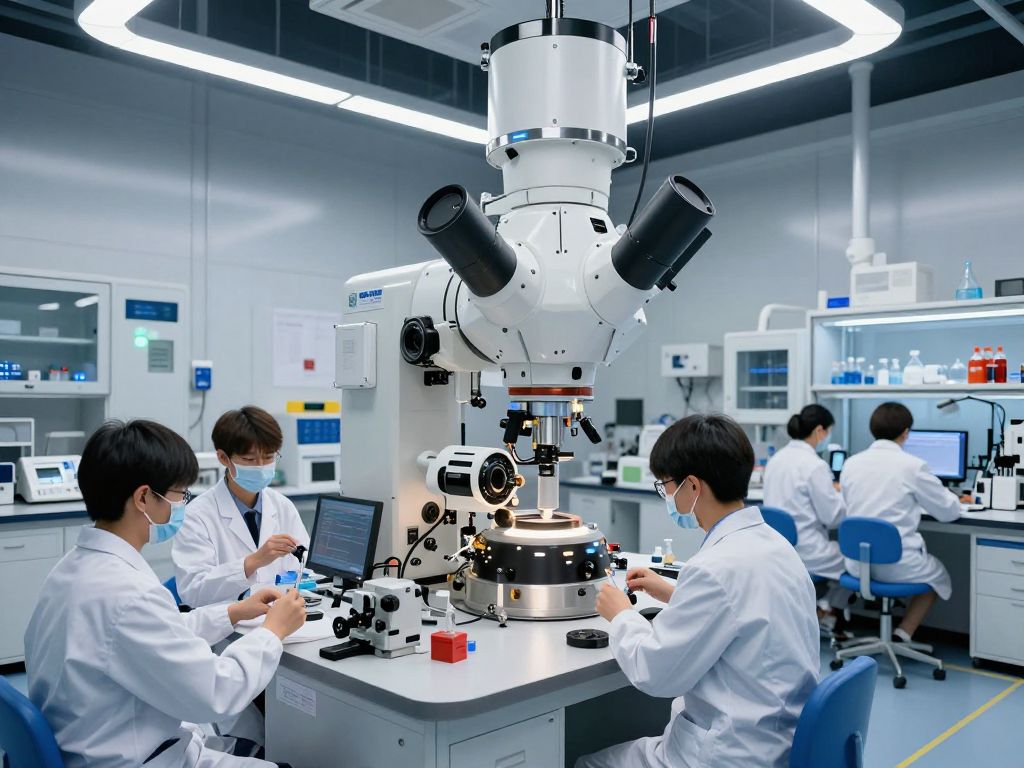
Houston, TX — Texas continues to solidify its position as a leader in the nation’s burgeoning space economy, a testament to the innovation and strategic investment driving higher education and industry across the state. In a significant move to advance this frontier, the Texas Space Commission recently approved a substantial $9.3 million grant for the University of Texas at Austin. This funding is earmarked for the establishment of a cutting-edge laboratory dedicated to tackling complex challenges in space domain awareness, reinforcing the university’s role as a hub for critical research and development within the Texas higher education landscape.
This investment underscores the state’s commitment to fostering academic rigor and student growth in vital sectors. By channeling resources into advanced research facilities, Texas aims to cultivate the next generation of leaders and innovators who will drive both technological progress and economic impact. The project at the University of Texas at Austin exemplifies how focused academic initiatives can serve a broader community and national purpose, promoting both intellectual discovery and practical application.
The new lab at the University of Texas at Austin is set to become a cornerstone for understanding and monitoring the intricate dynamics of objects in orbit, an endeavor crucial for the safety and sustainability of space operations. This strategic allocation of funds by the Texas Space Commission highlights the disciplined approach being taken to expand Texas’s influence in civil, commercial, and national security space sectors, creating invaluable opportunities for students and researchers alike.
Advancing Space Domain Awareness
The $9.3 million grant will primarily facilitate the creation of a specialized laboratory focused on space domain awareness challenges. This area of study is vital for enhancing the ability to track objects in Earth’s orbit and beyond. Space domain awareness (SDA) is defined by understanding and monitoring activities within the outer space environment. This includes, but is not limited to, estimating the trajectories of objects in orbit and predicting how these trajectories might change due to intentional or unintentional events. The research endeavors will contribute to both national security and commercial applications by providing a clearer picture of orbital dynamics.
The Role of the Texas Space Commission
The Texas Space Commission, established to foster the growth of the state’s space business, is the entity behind this significant funding approval. During its final meeting of the year, the commission allocated this grant as part of its ongoing efforts to distribute the $150 million appropriated by the Texas Legislature in 2023 for the Space Exploration and Aeronautics Research fund. This fund is designed to support various entities, including businesses, nonprofits, and governmental bodies, as well as institutions of higher education involved in the space industry. The UT Austin grant contributes to the commission’s total investment of $135.3 million from this legislative appropriation.
Impact on UT Austin Research
The University of Texas at Austin is already a significant contributor to space research. The institution’s CAELUS Laboratory, for example, is actively engaged in Space Situational Awareness (SSA) research, covering aspects such as space object detection, tracking, identification, and characterization (DTIC). This existing expertise provides a robust foundation for the new lab, which will expand on these capabilities to address complex “space domain awareness challenges”. Previous research at UT Austin also includes leading collaborations to enhance the U.S. Air Force’s ability to monitor cislunar space, highlighting the university’s established role in critical aerospace initiatives.
Fostering a Robust Space Ecosystem in Texas
This grant is part of a broader strategy by the Texas Space Commission to build a comprehensive space ecosystem across the state. Since its inception, the commission has approved numerous requests from a diverse array of entities, ranging from major aerospace companies like SpaceX, Firefly Aerospace, and Blue Origin, to innovative Houston-based firms such as Intuitive Machines. These funds are channeled into developing essential infrastructure including factories, research laboratories, test sites, satellites, and orbital data center technologies, alongside creating specialized parts and internship programs. This multifaceted approach aims to attract investment, generate jobs, and strengthen national security through continuous innovation and technological advancement, positioning Texas at the forefront of the next era of space exploration.
Educational and Economic Opportunities
The establishment of this new lab at UT Austin signals expanding opportunities for students and faculty within Texas. By investing in advanced research facilities and programs, the state is actively cultivating a skilled workforce prepared for the demands of the rapidly evolving space industry. Such initiatives promote personal responsibility and discipline in academic pursuits, offering students hands-on experience and access to cutting-edge research that is directly relevant to real-world challenges. These academic advancements not only elevate the university’s research profile but also contribute significantly to the economic prosperity and technological leadership of Texas TX. The focus on internships as part of the broader Space Commission funding further ensures that students gain practical experience, bridging the gap between academic learning and professional application.
Conclusion
The $9.3 million grant awarded to the University of Texas at Austin by the Texas Space Commission marks a pivotal moment for UT research and the state’s burgeoning space sector. This investment in a new space domain awareness lab will not only push the boundaries of scientific understanding but also reinforce Texas’s leadership in the national and international space community. As Texas continues to champion innovation and academic excellence, readers are encouraged to explore the diverse programs offered by universities across the state and stay informed about the ongoing advancements in Houston’s vibrant college community and beyond. The future of space exploration and its terrestrial benefits are profoundly linked to the disciplined efforts being made today in institutions like the University of Texas at Austin.
Key Grant Information Summary
| Feature | Detail |
|---|---|
| Grant Amount | $9.3 million |
| Recipient | University of Texas at Austin |
| Approving Body | Texas Space Commission |
| Fund Source | Space Exploration and Aeronautics Research fund |
| Total Fund Appropriation | $150 million (by Texas Legislature in 2023) |
| Commission’s Total Investment (to date) | $135.3 million from the fund |
| Purpose of Lab | To study “space domain awareness challenges” to improve tracking of objects in orbit |
Frequently Asked Questions (FAQ)
What is the purpose of the $9.3 million grant awarded to the University of Texas at Austin?
The $9.3 million grant awarded to the University of Texas at Austin is intended to build a lab to study “space domain awareness challenges” to improve the tracking of objects in orbit.
Which entity approved the $9.3 million grant for the University of Texas at Austin?
The Texas Space Commission approved the $9.3 million grant for the University of Texas at Austin.
What is “space domain awareness challenges”?
“Space domain awareness challenges” refers to the complexities involved in understanding and monitoring the situation in outer space, including estimating and predicting the trajectories of objects in Earth orbit and beyond.
From what fund was the $9.3 million grant disbursed?
The $9.3 million grant was disbursed from the Space Exploration and Aeronautics Research fund.
What is the overall goal of the Texas Space Commission’s investments?
The overall goal of the Texas Space Commission’s investments is to grow the state’s space business and facilitate civil, commercial, military, and academic advancements in space exploration, research, and aeronautics.
Deeper Dive: News & Info About This Topic
HERE Resources
Fuzzy’s Tacos Expands in Katy, Boosting Local Economy
UTEP Recognized Among Top Colleges for Career Success
UT Austin Secures $4.8M for Quantum Research
Dr. Barnard’s Bon Voyage Bash Celebrates Health Innovation in Houston
UT Austin Advances to Finals of XPRIZE Wildfire Competition
Empowering Houston: New Initiative Tackles Childcare Crisis
UT Austin Advances Semiconductor Education and Research
Transformation of the Former Frank Erwin Center Site at UT Austin
10 Essential Questions to Ask Yourself Before Buying Your First Home
Exploring Photogenic Spots at UT Austin

Author: STAFF HERE HOUSTON TX WRITER
The HOUSTON STAFF WRITER represents the experienced team at HEREHouston.com, your go-to source for actionable local news and information in Houston, Harris County, and beyond. Specializing in "news you can use," we cover essential topics like product reviews for personal and business needs, local business directories, politics, real estate trends, neighborhood insights, and state news affecting the area—with deep expertise drawn from years of dedicated reporting and strong community input, including local press releases and business updates. We deliver top reporting on high-value events such as Houston Livestock Show and Rodeo, Art Car Parade, and Chevron Houston Marathon. Our coverage extends to key organizations like the Greater Houston Partnership and Houston Area Urban League, plus leading businesses in energy and healthcare that power the local economy such as ExxonMobil, Schlumberger, and Houston Methodist. As part of the broader HERE network, including HEREAustinTX.com, HERECollegeStation.com, HEREDallas.com, and HERESanAntonio.com, we provide comprehensive, credible insights into Texas's dynamic landscape.