

Houston, TX, February 20, 2026
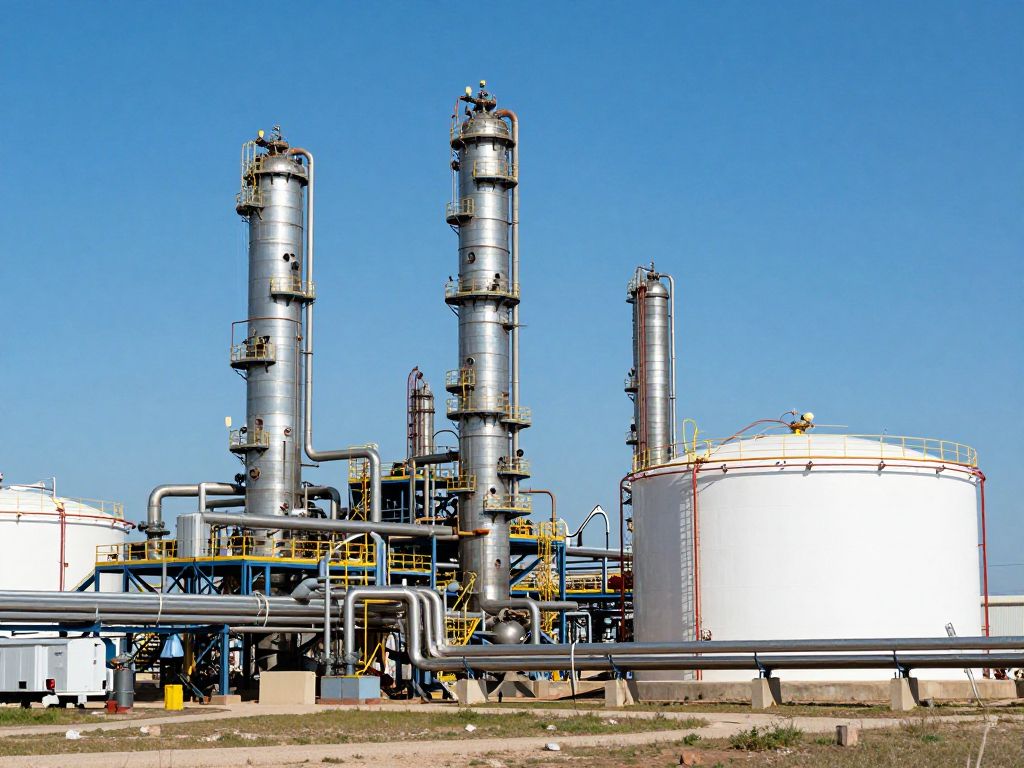
Texas refineries are adapting to a decline in Mexican crude oil exports by exploring the abundant heavy crude from Venezuela. This shift reflects the resilience of the Texas energy sector in navigating global market changes. With favorable infrastructure for processing heavy oils, Texas companies are poised to secure new supply sources, ensuring economic stability and job creation amidst evolving international trade dynamics.
Houston, TX
Texas Refiners Eye Venezuelan Oil Amid Shifting Markets
As Mexico’s crude oil exports decline due to a strategic shift towards domestic refining, Texas refineries, particularly those along the U.S. Gulf Coast, are exploring new opportunities in Venezuelan heavy crude, demonstrating remarkable adaptability in a dynamic global energy landscape.
The energy sector, a cornerstone of Houston TX business and the broader Texas economy, consistently showcases its resilience and innovative spirit. With global energy markets in constant flux, the ability of local entrepreneurs and established corporations to identify and capitalize on new supply avenues is critical for sustained economic growth. This proactive approach by Texas refineries to secure diverse heavy crude sources, amidst a backdrop of evolving international trade dynamics, underscores the benefits of strategic private investment and the adaptability of our region’s energy infrastructure. Texas’s oil and gas industry is a significant contributor to the state’s economy in terms of GDP and employment. In 2022, Texas led the nation in oil and gas sector employment, accounting for 37 percent of all oil and gas jobs in the country.
The Lone Star State has long been a global leader in energy, with Houston frequently recognized as the “Energy Capital of the World”. This leadership is continually reinforced by the industry’s capacity to navigate complex supply chain challenges and geopolitical shifts. The current pivot toward Venezuelan crude by some Texas refiners is a prime example of this strategic foresight, ensuring the continued operation and competitiveness of a vital industry that supports hundreds of thousands of jobs and generates billions in economic output for the state.
The Evolving Landscape of Crude Supply
Refineries along the U.S. Gulf Coast, representing over 55% of total U.S. refining capacity, are optimized to process medium and heavy sour crude varieties. Historically, key suppliers of these crudes have included Venezuela, Mexico, and Canada. However, the dynamics are shifting. Mexico’s state oil company, Pemex, is strategically reducing crude oil exports to prioritize domestic refining and reduce reliance on imported fuels, a policy aimed at achieving self-sufficiency in its domestic fuels market. This shift has resulted in declining crude production available for export. The value of U.S. crude oil imports from Mexico significantly decreased in 2024, falling by 40% year-over-year. Crude oil imports from Mexico averaged 464,000 barrels per day in 2024, a 37% decrease from 2023. This policy change creates a significant need for alternative heavy crude sources for U.S. Gulf Coast refiners.
Venezuelan Crude: A Renewed Focus
Venezuelan crude oil, predominantly heavy and sour, is an appealing alternative for U.S. Gulf Coast refineries due to their existing infrastructure designed to process such grades. The bulk of Venezuela’s petroleum consists of heavy, sour crude oil, characterized by its dark, viscous, and acidic nature, which is also high in sulfur. This type of crude requires a longer refining process to produce gasoline and other fuels compared to lighter crude oil. Venezuela possesses the world’s largest proven oil reserves, estimated at 303 billion barrels, with most of these reserves being heavy, sour crude located in the Orinoco Oil Belt.
Recent developments in U.S. sanctions policy have begun to ease restrictions on Venezuela’s oil and gas sector. The U.S. Department of the Treasury’s Office of Foreign Assets Control (OFAC) has issued General Licenses, authorizing certain activities involving Venezuelan-origin oil for established U.S. entities. These authorizations allow a range of activities including lifting, exporting, selling, and refining Venezuelan-origin oil, even when involving the Government of Venezuela or Petróleos de Venezuela, S.A. (PdVSA). This marks a significant shift, creating opportunities for U.S. companies to re-engage with Venezuela’s energy sector.
Refining Capabilities and Strategic Advantage
The U.S. Gulf Coast houses some of the world’s largest and most complex heavy-oil refineries, specifically configured with units like cokers to process high-sulfur, low-API crude oils from sources like Venezuela, Mexico, and Canada. Nearly 70 percent of U.S. refining capacity is designed for heavier crude. This existing infrastructure represents substantial private investment and provides a strategic advantage for Texas TX entrepreneurs in the refining sector. Companies like Valero and Phillips 66, with significant refining capacity in Texas and along the Gulf Coast, are well-positioned to process increased volumes of Venezuelan crude. For example, Valero’s Port Arthur refinery expanded its capacity in 2023 and expects to process a larger volume of Venezuelan oil. Phillips 66’s Sweeny, Texas, plant processed 8.8 million barrels of heavy Venezuelan crude in 2024. This adaptability underscores the resilience of Houston small business and large enterprises alike in the face of changing market dynamics, contributing to job creation and economic stability across the region.
Competition and Market Dynamics
The re-emergence of Venezuelan crude into the Atlantic Basin trade introduces a new dynamic, creating competition for other heavy crude suppliers such as Canada. Western Canadian Select (WCS) is a heavy sour blend of crude oil that is one of North America’s largest heavy crude oil streams. It serves as a benchmark for heavy, acidic crudes from the Western Canadian Sedimentary Basin. While Canadian heavy crude has been filling the gap created by reduced Venezuelan volumes in the past, increased Venezuelan supply could lead to more competitive pricing for refiners. A diversified supply chain reduces reliance on a single source, benefiting overall energy security and potentially stabilizing prices for consumers.
Fostering Economic Growth and Innovation
The ability of Texas refineries to adapt to shifting global crude supplies highlights the importance of an environment that supports entrepreneurial innovation and strategic investment. Houston, recognized as a global hub for energy innovation, benefits from a robust ecosystem of over 4,200 firms in oil & gas and advanced energy technology. This environment, characterized by a skilled workforce and a growth-friendly atmosphere, encourages businesses to thrive. Policies that limit regulatory burdens and provide predictable frameworks can further accelerate investment and operational flexibility within the energy sector, ultimately boosting regional economic growth and creating opportunities for Houston TX business. The oil and gas sector underpins Houston’s economy, supporting around 300,000 jobs across various activities. Texas also benefits from no state or corporate income taxes, contributing to a business-friendly environment.
Houston and its surrounding areas continue to demonstrate unparalleled adaptability in the face of global energy shifts. By strategically evaluating and integrating new crude sources like Venezuelan oil, while navigating the decline of traditional supplies from Mexico, Texas refineries are securing their future and reinforcing the state’s position as a global energy leader. This proactive approach, driven by entrepreneurial spirit and smart investment, is crucial for sustaining the economic vitality of our communities and ensuring a robust future for Texas TX entrepreneurs. We encourage our readers to stay informed about these developments and support the innovative businesses that are shaping Houston’s economic future.
Frequently Asked Questions
Why are Texas refineries looking at Venezuelan oil?
Texas refineries are exploring Venezuelan oil as an opportunity because Mexico’s crude oil exports are declining due to a strategic shift towards domestic refining, creating a need for alternative heavy crude sources. Refineries along the U.S. Gulf Coast are optimized to process medium and heavy sour crude varieties, which characterize Venezuelan oil.
What type of crude oil does Venezuela produce?
The bulk of Venezuela’s petroleum consists of heavy, sour crude oil—a dark, viscous, acidic substance that is both high in sulfur and relatively difficult to recover. This type of crude oil is very useful in asphalt production, but it needs to undergo a longer refining process to be made into more lucrative products, such as gasoline and other fuels, compared with lighter crude oil. Venezuela has the world’s largest proven oil reserves, estimated at 303 billion barrels, with most of these reserves being heavy, sour crude located in the Orinoco Oil Belt.
What is the U.S. Gulf Coast’s refining capacity for heavy crude?
Refineries along the U.S. Gulf Coast account for over 9 million barrels per day, or 55%, of total U.S. refining capacity, and are commercially optimized to refine medium and heavy sour varieties. Nearly 70 percent of U.S. refining capacity is designed for heavier crude.
How is Mexico’s oil export policy changing?
Mexico’s state oil company, Pemex, is strategically reducing crude oil exports to prioritize domestic refining and reduce reliance on imported fuels, aiming for self-sufficiency in its domestic fuels market. This shift has resulted in declining crude production available for export. The value of U.S. crude oil imports from Mexico significantly decreased in 2024, falling by 40% year-over-year.
What is Western Canadian Select (WCS)?
Western Canadian Select (WCS) is a heavy sour blend of crude oil that is one of North America’s largest heavy crude oil streams and, historically, its cheapest. It is composed mostly of bitumen blended with sweet synthetic and condensate diluents and 21 existing streams of both conventional and unconventional Alberta heavy crude oils. WCS is the benchmark price for western Canadian crude blends.
What is the economic impact of the oil and gas sector in Texas?
The oil and gas sector underpins Houston’s economy, supporting around 300,000 jobs across exploration, production, refining, transportation, and distribution activities. In 2022, Texas led the nation in oil and gas sector employment, accounting for 37 percent of all oil and gas jobs in the country. The Texas oil and gas industry contributed an estimated $411.6 billion toward the state’s gross domestic product in 2019.
Key Features of Texas Refineries’ Crude Oil Sourcing Shift
| Feature | Description | Scope |
|---|---|---|
| Declining Mexican Exports | Mexico’s state oil company is reducing crude oil exports to prioritize domestic refining, decreasing volumes available to the U.S. Gulf Coast. U.S. crude oil imports from Mexico dropped 40% in value in 2024. | State-level (Mexico’s policy affecting U.S. imports) |
| Venezuelan Crude Characteristics | Venezuelan crude is primarily heavy and sour, with high sulfur content, making it suitable for specialized U.S. Gulf Coast refineries. Venezuela has the world’s largest proven oil reserves. | Nationwide (Venezuela’s reserves and crude type) |
| U.S. Gulf Coast Refining Capacity | Over 55% of total U.S. refining capacity is located along the U.S. Gulf Coast and is optimized to process heavy and sour crude. Nearly 70% of U.S. refining capacity is designed for heavier crude. | Nationwide |
| Easing of U.S. Sanctions on Venezuela | The U.S. Department of the Treasury’s OFAC has issued General Licenses authorizing certain activities involving Venezuelan-origin oil for established U.S. entities. | Nationwide (U.S. policy) |
| Competition with Canadian Heavy Crude | Increased Venezuelan crude availability in the Atlantic Basin market introduces competition for other heavy crude suppliers like Western Canadian Select (WCS). | Nationwide |
| Economic Impact in Texas | The oil and gas sector is vital to the Texas economy, supporting approximately 300,000 jobs in Houston and contributing significantly to the state’s GDP. | State-level (Texas economy) |
Deeper Dive: News & Info About This Topic
HERE Resources

Author: STAFF HERE HOUSTON TX WRITER
The HOUSTON STAFF WRITER represents the experienced team at HEREHouston.com, your go-to source for actionable local news and information in Houston, Harris County, and beyond. Specializing in "news you can use," we cover essential topics like product reviews for personal and business needs, local business directories, politics, real estate trends, neighborhood insights, and state news affecting the area—with deep expertise drawn from years of dedicated reporting and strong community input, including local press releases and business updates. We deliver top reporting on high-value events such as Houston Livestock Show and Rodeo, Art Car Parade, and Chevron Houston Marathon. Our coverage extends to key organizations like the Greater Houston Partnership and Houston Area Urban League, plus leading businesses in energy and healthcare that power the local economy such as ExxonMobil, Schlumberger, and Houston Methodist. As part of the broader HERE network, including HEREAustinTX.com, HERECollegeStation.com, HEREDallas.com, and HERESanAntonio.com, we provide comprehensive, credible insights into Texas's dynamic landscape.