
Houston, January 17, 2026
Texas businesses are feeling the impact of rising leather costs driven by tariffs, freight increases, and a shrinking cattle supply. Entrepreneurs in Houston are adapting by seeking new suppliers and innovative materials. The situation highlights the resilience of local industries as they navigate these challenges and the importance of community support for sustainable growth.
Houston, TX — The resilient spirit of Texas entrepreneurs is once again being tested as businesses across the state grapple with the statewide challenge of rising leather costs. This trend, impacting everything from custom bootmakers to furniture manufacturers, highlights the dynamic nature of global trade and the impressive adaptability of local enterprises in Houston and beyond.
Houston’s vibrant business landscape, fueled by a commitment to innovation and growth, provides a compelling backdrop to understand how businesses are navigating these increased material expenses. While the pressures are significant, they also catalyze new approaches and reinforce the value of a flexible market where businesses can innovate to overcome obstacles.
Understanding the State-Level Trend: Factors Driving Up Leather Costs
The cost of leather is notably increasing for Texas businesses. Several interconnected factors, both domestic and global, contribute to this statewide rise. A significant driver has been the imposition of U.S. tariffs, which have led to a substantial jump in leather goods prices for consumers. Analyses indicate that prices for leather goods, including shoes and handbags, have increased by approximately 39% in the short term, with expectations for them to remain elevated by about 19% over the long term. These tariffs particularly affect imports from key leather-processing countries like China, Vietnam, Italy, and India.
Beyond tariffs, businesses are contending with rising freight costs, which add to the overall expense of bringing materials to market. A shrinking supply of raw hides is another crucial factor. The U.S. cattle herd has reached its smallest size since the 1950s, a consequence of prolonged drought conditions, high feed costs, and herd liquidation. This reduction in cattle directly translates to a tighter and more expensive supply of leather.
The global leather supply chain itself faces complexities, including geopolitical tensions and shipping challenges, leading to instability and higher operational costs worldwide. Furthermore, a growing consumer preference for sustainably and ethically sourced leather has increased demand for products that often come with higher production costs. Raw materials, particularly leather hides, constitute a significant portion—often 40-60%—of a finished product’s total cost, making any increase in their price keenly felt by manufacturers.
Impact on Houston’s Craft and Commerce
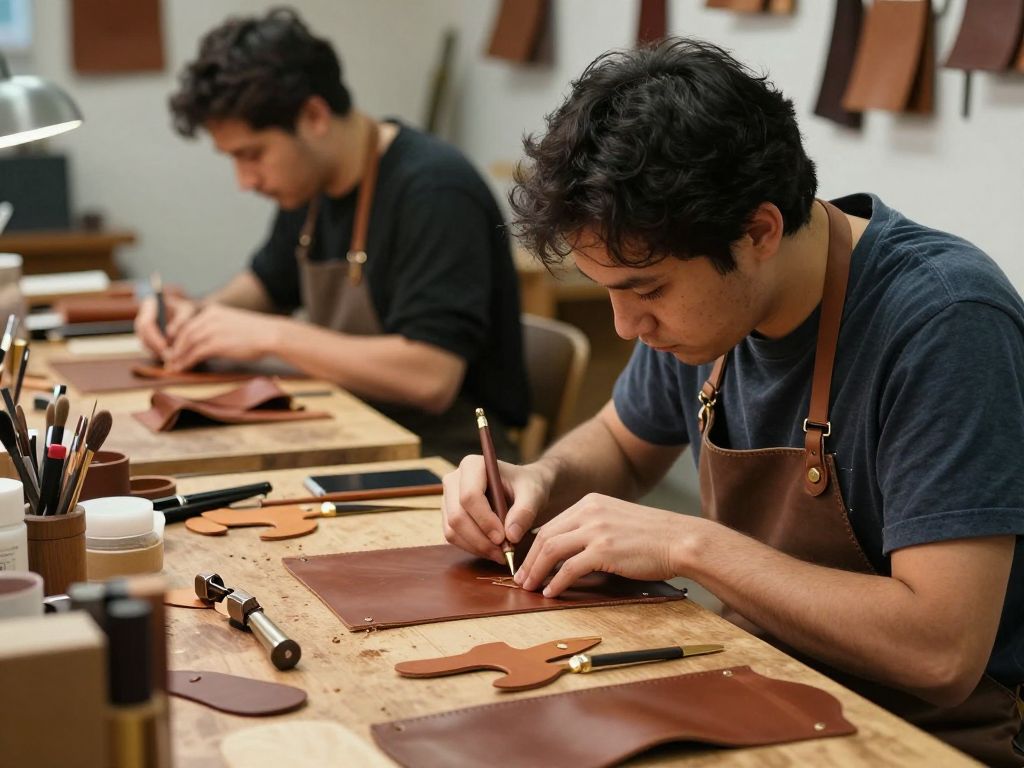
The rising statewide cost of leather has a tangible impact on Houston’s diverse array of businesses. From the skilled artisans crafting bespoke leather goods to larger manufacturers producing furniture or Western wear, these enterprises are feeling the pinch of higher input costs. Businesses like bootmakers, for example, are facing significant uncertainty as material costs surge. This directly translates to more expensive products, such as boots and bags, for consumers. Texas businesses generally report being negatively affected by trade policies, with a majority anticipating that consumers will ultimately bear the brunt of increased costs from tariffs.
Houston’s Leather Good & Luggage Manufacturing industry, which encompasses various clothing accessories including belts, hats, luggage, handbags, and wallets, included 844 businesses and employed 2,856 individuals in 2025. This sector has seen a market size growth of 1.9% from 2020 to 2025, even as employment declined by 0.1% during the same period. These figures underscore the need for adaptability and strategic planning within the local industry to maintain growth amidst rising expenses.
Entrepreneurial Innovation in Response to Challenges
Faced with these economic headwinds, Houston’s entrepreneurs are demonstrating remarkable resilience and a drive for innovation. Businesses are exploring various strategies to manage the escalating costs, including adjusting shipping schedules, seeking alternative suppliers, or even re-evaluating production locations. Some businesses opt to absorb higher costs, while others unfortunately scale back operations or even cease business altogether. A proactive approach involves finding new domestic suppliers to mitigate tariff impacts.
The market is also seeing a shift towards more dynamic pricing models among suppliers and craftsmen, moving away from static annual pricing to adapt to fluctuating material costs. This flexibility allows businesses to respond more rapidly to changes in the supply chain. Furthermore, some entrepreneurs are turning to alternative, sustainable materials. For instance, pirarucu leather, sourced from sustainable fisheries in the Amazon, is being used for cowboy boots in Texas, offering a unique product while supporting ethical practices.
The Broader Economic Landscape and the Role of Limited Regulation
The rising cost of leather is not an isolated incident but rather a component of broader economic trends affecting Texas. These include general increases in prices and mixed new orders across various sectors. The interconnectedness of global trade means that shifts in international policy, such as tariffs, have a direct and substantial impact on local economies.
In this challenging environment, the benefits of limited regulation become particularly evident. When businesses are less encumbered by excessive red tape, they possess greater agility to absorb unforeseen costs, innovate new products or processes, and adapt their supply chains. This freedom allows entrepreneurs to make quick decisions, such as adjusting pricing or sourcing new materials, without additional bureaucratic hurdles. Such an environment fosters the kind of quick thinking and resourcefulness that is essential for small businesses to thrive and contribute to overall economic growth in Houston and across Texas.
Supporting Local Resilience for Continued Growth
The current challenges in the leather industry underscore the adaptability and pioneering spirit of Houston’s business community. Local entrepreneurs are actively seeking inventive solutions, from optimizing supply chains to exploring sustainable material alternatives, all while navigating a complex global market. This unwavering commitment to innovation is a hallmark of the Texas economy.
As these businesses continue to adapt, community support remains paramount. Engaging with and purchasing from local artisans and manufacturers not only sustains these businesses but also strengthens the fabric of Houston’s economic growth. By championing local enterprises and advocating for policies that foster a nimble and responsive business environment, Houston can ensure its entrepreneurs continue to drive prosperity and job creation for years to come.
Key Factors in Texas Leather Business Trends
| Factor | Description | Scope |
|---|---|---|
| U.S. Tariffs | Increased leather goods prices by approximately 39% in the short term for U.S. consumers, projected to remain 19% higher long-term. | Nationwide |
| Freight Costs | Rising expenses for shipping materials and products. | Nationwide |
| Raw Hide Supply | U.S. cattle herd at its smallest since the 1950s, leading to tighter and more expensive hide supply. | Nationwide |
| Global Supply Chain | Geopolitical tensions, shipping issues, and lack of transparency contribute to instability and higher costs. | Nationwide |
| Demand for Sustainable Leather | Growing consumer preference for ethically sourced leather, which often carries higher production costs. | Nationwide |
| Raw Material Percentage | Leather hides account for 40-60% of a finished product’s total cost. | Nationwide |
| Texas Leather Industry Size (2025) | 844 businesses, 2,856 employees. Market size grew 1.9% (2020-2025), employment declined 0.1% (2020-2025). | State-level |
Deeper Dive: News & Info About This Topic
HERE Resources

Author: STAFF HERE HOUSTON TX WRITER
The HOUSTON STAFF WRITER represents the experienced team at HEREHouston.com, your go-to source for actionable local news and information in Houston, Harris County, and beyond. Specializing in "news you can use," we cover essential topics like product reviews for personal and business needs, local business directories, politics, real estate trends, neighborhood insights, and state news affecting the area—with deep expertise drawn from years of dedicated reporting and strong community input, including local press releases and business updates. We deliver top reporting on high-value events such as Houston Livestock Show and Rodeo, Art Car Parade, and Chevron Houston Marathon. Our coverage extends to key organizations like the Greater Houston Partnership and Houston Area Urban League, plus leading businesses in energy and healthcare that power the local economy such as ExxonMobil, Schlumberger, and Houston Methodist. As part of the broader HERE network, including HEREAustinTX.com, HERECollegeStation.com, HEREDallas.com, and HERESanAntonio.com, we provide comprehensive, credible insights into Texas's dynamic landscape.