

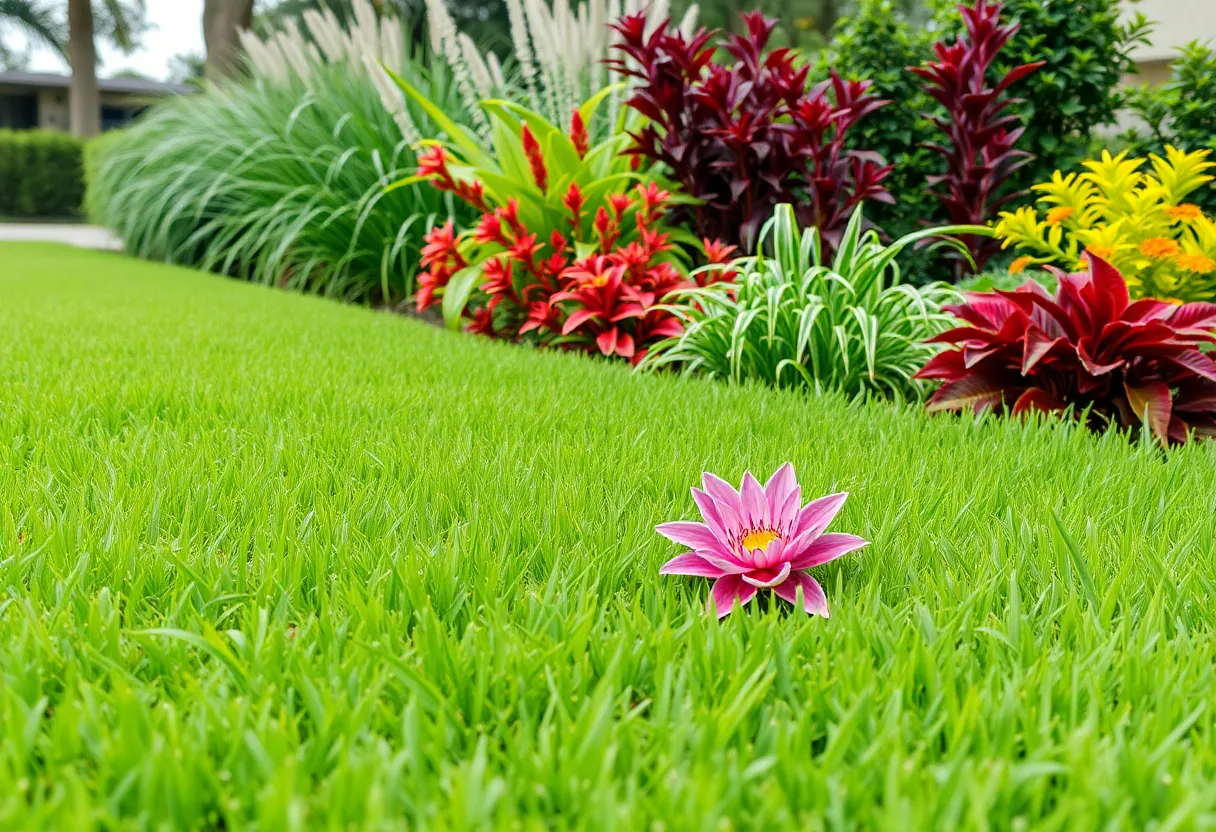
10 Inspiring Ways to Transform Your Houston Lawn into a Flourishing Green Space
Achieving a vibrant, healthy lawn in Houston requires strategic planning rooted in understanding local climate conditions, soil characteristics, and plant adaptability. With hot summers, mild winters, and occasional drought challenges, selecting appropriate practices is essential for sustainable lawn management. Here, we explore ten proven methods to transform your Houston yard into a lush, thriving green space.
1. Select the Optimal Grass Type for Houston’s Climate
The foundation of a healthy lawn starts with choosing the right grass. Houston’s warm Texas climate favors certain species that demonstrate drought tolerance, heat resistance, and adaptability to partial shade. Consider implementing one of the following grass types:
- Zoysiagrass: Known for its low maintenance requirements, Zoysiagrass adapts well to pockets of shade and endures drought periods with minimal watering. Maintain at 1–2 inches mowing height for optimal health.
- St. Augustinegrass: Its dense, broad blades provide a lush appearance, thriving on at least four hours of sun daily. It offers moderate drought resistance but prefers consistent watering.
- Bermudagrass: Extremely resilient to heavy foot traffic and drought, Bermudagrass spreads via stolons and rhizomes, creating a dense turf. Requires full sun and regular mowing to prevent overgrowth.
- Centipedegrass: A low-maintenance option with slow growth, tolerating partial shade and drought. Ideal for homeowners seeking minimal upkeep.
- Seashore Paspalum: Exceptionally salt-tolerant and drought-resistant, suitable for coastal regions. Maintains quality in moderate maintenance regimes under full sun conditions.
2. Emphasize Deep Watering Practices to Strengthen Roots
Deep watering fosters deep root systems, increasing drought tolerance and reducing water waste. To implement:
- Schedule Watering: Water early in the morning, ideally between 4–9 a.m., when evaporation is minimal. During warmer months, task each zone with about 30 minutes per session, twice weekly. Reduce frequency in cooler, less active seasons.
- Apply Adequate Volumes: The goal is to moisten soil to a depth of 4–6 inches, encouraging roots to grow downward rather than stay near the surface.
- Look for Underwatering Signs: Observe dull, dark color, folded blades, footprints remaining visible, and dry soil — all indicators that additional water is needed.
3. Use Fertilizer Strategically to Promote Growth and Vigor
Proper fertilization enhances color, density, and overall turf health without fostering excessive growth that can stress grasses, especially during peak temperatures:
- Timing: Apply fertilizers in spring when growth resumes, again mid-summer, and early fall. Avoid late fall or winter fertilization to prevent stimulating growth that can be vulnerable to cold damage.
- Selection: Utilize slow-release or controlled-release fertilizers, tailoring applications based on soil test results. This prevents overfeeding and potential runoff issues.
4. Control Weeds, Insects, and Fungal Diseases Efficiently
Proactive management minimizes lawn vulnerabilities and maintains its aesthetic appeal:
- Weed Prevention: Apply pre-emergent herbicides in late fall to block winter weed seed germination. Use targeted spot treatments for existing weeds to avoid overuse of chemicals.
- Insect Monitoring: Regularly inspect for pest signs like chewed leaves or discolored patches. Early intervention prevents large infestations that weaken turf.
- Fungal Disease Reduction: Proper watering and mowing techniques—such as avoiding overwatering and cutting grass at appropriate heights—reduce fungal risks.
5. Aerate and Overseed to Maintain Compact, Dense Turf
These practices enhance soil health and fill in thin areas:
- Aeration: Conduct core aeration in early fall, between September 15 and October 15, when soil moisture is optimal. This alleviates compaction, improves infiltration, and encourages root development.
- Overseeding: After aeration, overseed with cool-season varieties like ryegrass to sustain green coverage during winter dormancy of warm-season grasses, ensuring year-round vibrancy.
6. Incorporate Native and Drought-Resilient Plants in Landscaping
Using native plant species supports biodiversity and reduces maintenance:
- Coreopsis: Bright yellow, drought-tolerant perennial suited for full sun; adds vibrant color.
- Salvia (Sage): Long-blooming, attracts pollinators, and adapts well to Houston’s climate.
- Red Yucca (Hesperaloe parviflora): Low-maintenance, features striking red flowers, and attracts hummingbirds.
- Hibiscus: Offers bold, colorful blooms, attracting pollinators and creating a tropical atmosphere.
- Bee Balm (Monarda): Known for aromatic foliage, vibrant flowers, and pollinator support.
7. Adopt Proper Mowing Techniques to Sustain Lawn Health
Mowing height and frequency influence turf vigor:
- Mowing Height: Maintain at 2½–3 inches to promote deep roots, shade out weeds, and reduce stress during heat.
- Mowing Frequency: During peak growth periods, mow twice weekly to keep grass manageable and healthy.
- Blade Sharpness: Keep mower blades sharp to ensure clean cuts, minimizing tearing and stress to the grass.
8. Establish Efficient Irrigation Systems for Water Conservation
Automated and targeted watering reduces waste and conserves resources:
- Routine Maintenance: Regularly inspect sprinkler heads for leaks or misalignment. Proper functioning guarantees even coverage and reduces water waste.
- Rain Collection: Use rain barrels for supplementary watering, conserving municipal water supplies while reducing bills.
- Drip and Soaker Hoses: Deploy these for flower beds and shrubs to deliver moisture directly to roots, improving efficiency.
9. Prioritize Soil Health for a Resilient Lawn
Healthy soil supports vigorous growth and nutrient uptake:
- Soil Testing: Conduct tests annually to determine pH and nutrient status, guiding amendments precisely.
- Organic Matter Addition: Incorporate compost or organic amendments to improve structure, water retention, and microbial activity.
- pH Adjustment: Correct imbalances—lime to raise pH, sulfur to lower—to optimize nutrient availability for grasses.
10. Adapt Lawn Care to Seasonal Changes
Adjusting maintenance practices throughout the year ensures consistent lawn quality:
- Winter: Slightly lengthen mowing height to protect roots and retain moisture. Reduce watering frequency, avoiding over-wetting soils susceptible to fungal growth.
- Spring: Plan for aeration, overseeding, and fertilization to boost vigorous growth as temperatures increase.
- Summer: Increase watering sessions during high temperatures, ensuring deep soakings to prevent drought stress and heat-related damage.
Implementing these strategies systematically will transform your Houston lawn into a lush, resilient green space that enhances your property’s beauty and ecological health throughout the year. Focused care aligned with local conditions results in sustainable, visually appealing lawns that withstand climate challenges efficiently.
Frequently Asked Questions
Q1: What is the best grass for Houston’s climate?
The most suitable grass types include Zoysiagrass, St. Augustinegrass, Bermudagrass, Centipedegrass, and Seashore Paspalum, each offering drought tolerance, heat resistance, and adaptability to Houston’s climate.
Q2: How often should I water my Houston lawn?
Deep watering should be scheduled twice weekly during warmer months, early in the morning, to a depth of 4–6 inches. Adjust based on weather conditions and soil moisture.
Q3: When is the optimal time for fertilization?
Apply fertilizer in early spring, mid-summer, and early fall using slow-release formulations. Avoid late fall or winter applications to prevent undue growth and cold injury.
Q4: How can I control weeds and pests effectively?
Use pre-emergent herbicides seasonally, conduct targeted spot treatments for weeds, and monitor for pest signs regularly. Proper watering and mowing reduce disease risk.
Q5: What maintenance practices support soil health?
Periodic soil testing helps identify nutrient deficiencies and pH levels. Amend soil with organic matter and adjust pH to optimize grass growth and resilience.
Key Features Comparison Chart
| Aspect | Recommended Practices | Optimal Season |
|---|---|---|
| Grass Types | Zoysiagrass, St. Augustine, Bermuda, Centipede, Paspalum | Spring to Fall |
| Watering | Deep, twice weekly, early morning, 4–6 inches deep | Spring to early Fall |
| Fertilization | Spring, Summer, Fall; slow-release fertilizers | Spring & Fall |
| Aeration | Core aeration, September–October | Fall |
| Soil Management | Testing, organic amendments, pH adjustment | Year-round |
| Seasonal Adjustments | Longer grass in fall, moderate watering in winter, increased in summer | Ongoing |

Author: STAFF HERE HOUSTON TX WRITER
The HOUSTON STAFF WRITER represents the experienced team at HEREHouston.com, your go-to source for actionable local news and information in Houston, Harris County, and beyond. Specializing in "news you can use," we cover essential topics like product reviews for personal and business needs, local business directories, politics, real estate trends, neighborhood insights, and state news affecting the area—with deep expertise drawn from years of dedicated reporting and strong community input, including local press releases and business updates. We deliver top reporting on high-value events such as Houston Livestock Show and Rodeo, Art Car Parade, and Chevron Houston Marathon. Our coverage extends to key organizations like the Greater Houston Partnership and Houston Area Urban League, plus leading businesses in energy and healthcare that power the local economy such as ExxonMobil, Schlumberger, and Houston Methodist. As part of the broader HERE network, including HEREAustinTX.com, HERECollegeStation.com, HEREDallas.com, and HERESanAntonio.com, we provide comprehensive, credible insights into Texas's dynamic landscape.