

Houston, December 17, 2025
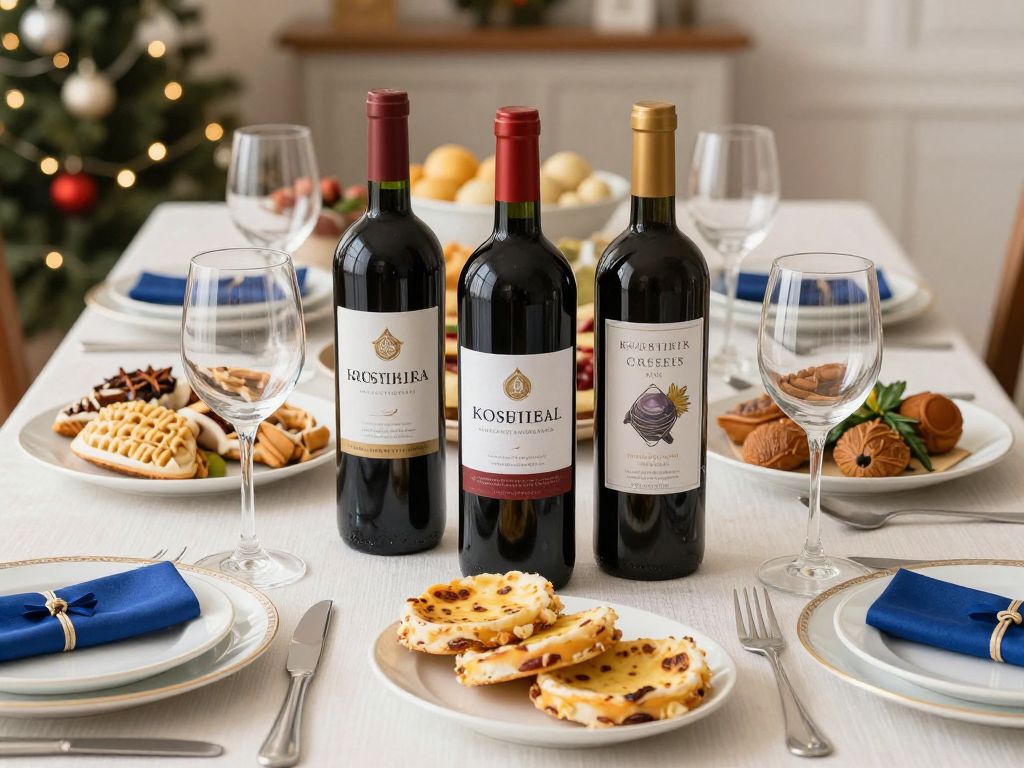
As Houstonians celebrate this holiday season, there’s a growing interest in Kosher wines that reflects the community’s rich cultural traditions. Kosher wines are produced under strict guidelines adhering to Jewish dietary laws, and the variety available today showcases a commitment to quality and tradition. With both mevushal and non-mevushal options, local consumers are embracing these wines as part of their festive gatherings, highlighting the importance of cultural heritage in Houston’s diverse culinary landscape.
Houston’s Holiday Cheers: Exploring Kosher Wines
As Houstonians prepare for a season of diverse festivities, understanding the traditions and evolving quality of Kosher wines offers a unique perspective for community celebrations and personal choice.
Houston, a vibrant metropolis known for its diverse communities and entrepreneurial spirit, embraces a rich tapestry of holiday traditions each year. Throughout December, families and friends gather across the city and in neighboring areas like Montgomery County to celebrate, share meals, and create lasting memories. This season often brings with it a desire to honor cultural heritage and explore new facets of culinary and beverage experiences. The growing interest in Kosher wines for holiday celebrations exemplifies how local initiative and individual preferences contribute to the broader cultural landscape of our region. It showcases how community members actively seek out products that align with their values and traditions, further enriching the local marketplace and fostering a deeper understanding among neighbors.
Understanding Kosher Wines: Tradition Meets Modern Craft
The term Kosher in wine production signifies that the wine has been prepared in accordance with Jewish dietary laws, known as Kashrut. This involves a rigorous process of supervision and adherence to specific guidelines from the vineyard to the bottle. Far from being a niche product, modern Kosher wines are now recognized for their quality and diversity, reflecting a broader trend of producers responding to consumer demand for high-quality, traditionally prepared goods. This commitment to traditional methods, while embracing modern winemaking techniques, highlights a blend of heritage and innovation.
The Role of Rabbinic Supervision
A fundamental aspect of Kosher wine production is the continuous supervision by a Sabbath-observant Jew, often referred to as a mashgiach. This individual oversees every stage of the winemaking process to ensure compliance with Jewish law. From the moment the grapes are crushed, only Sabbath-observant Jews are permitted to handle the wine, its ingredients, and equipment. This diligent oversight emphasizes personal responsibility and adherence to established guidelines, demonstrating how individual commitment can uphold centuries-old traditions within a modern industry.
Mevushal vs. Non-Mevushal: A Key Distinction
One significant distinction in Kosher wine is whether it is mevushal or non-mevushal. Mevushal wine refers to wine that has been heated or flash-pasteurized during its production. This process renders the wine “cooked” in Jewish law, meaning it retains its Kosher status even if handled by a non-Sabbath-observant individual. Non-mevushal wines, conversely, are not heated and must be handled exclusively by Sabbath-observant Jews from crushing to serving. The availability of both options provides flexibility, allowing individuals and families to choose wines that best suit their specific needs and social settings during holiday gatherings.
Purity and Ingredients: Beyond the Grape
For a wine to be Kosher, not only the handling but also the ingredients must meet strict standards. This includes ensuring that no non-Kosher fining agents, such as gelatin or casein, are used during clarification. Instead, Kosher wines typically use bentonite clay, egg whites (if handled correctly), or activated charcoal for clarification. Furthermore, certain agricultural laws apply, such as not using grapes from vines less than four years old (orlah) and adhering to specific harvesting practices during the sabbatical year (shemittah). These regulations underscore a dedication to purity and a respect for the agricultural cycle, reflecting a holistic approach to production.
Modern Kosher Wines: Quality and Diversity
The landscape of Kosher wines has evolved dramatically. Today, consumers can find a wide array of high-quality Kosher wines from renowned wine-producing regions worldwide, including the United States (California, New York), France, Italy, Spain, South Africa, Australia, and, notably, Israel. These wines range from crisp whites and robust reds to sparkling varieties and dessert wines, offering options suitable for any palate or holiday meal. This expansion in quality and variety demonstrates how the marketplace, driven by informed consumer choices, has responded to a demand for excellent products that also adhere to specific cultural and religious requirements.
Embracing Diverse Traditions in Houston and Montgomery County
Houston and the surrounding areas, including Montgomery County, thrive on the rich cultural mosaic brought by its residents. The inclusion of Kosher wines in holiday celebrations reflects a broader community value of embracing and respecting diverse traditions. Local events and community engagements often highlight the varied customs that contribute to our region’s unique identity. By exploring and understanding these specific traditions, individuals contribute to a more inclusive and appreciative civic environment, fostering connections across different backgrounds.
As the holiday season unfolds, the exploration of Kosher wines offers more than just a beverage choice; it provides an opportunity to engage with a rich cultural heritage and appreciate the meticulous craftsmanship behind these unique products. For residents of Houston and Montgomery County, embracing such traditions reinforces the spirit of community, personal responsibility, and mutual respect that defines our region. We encourage all Houstonians to continue supporting local initiatives and exploring the diverse cultural offerings that make our city an exceptional place to live and celebrate.
Frequently Asked Questions
What makes a wine Kosher?
The term Kosher in wine production signifies that the wine has been prepared in accordance with Jewish dietary laws, known as Kashrut. This involves a rigorous process of supervision and adherence to specific guidelines from the vineyard to the bottle.
What is the role of a mashgiach in Kosher wine production?
A fundamental aspect of Kosher wine production is the continuous supervision by a Sabbath-observant Jew, often referred to as a mashgiach. This individual oversees every stage of the winemaking process to ensure compliance with Jewish law.
What is the difference between mevushal and non-mevushal Kosher wine?
Mevushal wine refers to wine that has been heated or flash-pasteurized during its production. This process renders the wine “cooked” in Jewish law, meaning it retains its Kosher status even if handled by a non-Sabbath-observant individual. Non-mevushal wines, conversely, are not heated and and must be handled exclusively by Sabbath-observant Jews from crushing to serving.
What ingredients are prohibited in Kosher wine production?
For a wine to be Kosher, no non-Kosher fining agents, such as gelatin or casein, are used during clarification. Instead, Kosher wines typically use bentonite clay, egg whites (if handled correctly), or activated charcoal for clarification. Additionally, grapes from vines less than four years old (orlah) cannot be used, and specific agricultural laws during the sabbatical year (shemittah) must be adhered to.
Where are modern Kosher wines produced?
Today, consumers can find a wide array of high-quality Kosher wines from renowned wine-producing regions worldwide, including the United States (California, New York), France, Italy, Spain, South Africa, Australia, and, notably, Israel.
Key Features of Kosher Wines
| Feature | Description | Scope |
|---|---|---|
| Rabbinic Supervision (Mashgiach) | Continuous oversight by a Sabbath-observant Jew throughout the winemaking process. | Nationwide |
| Mevushal Status | Wine is heated/flash-pasteurized, retaining Kosher status even if handled by a non-Sabbath-observant individual. | Nationwide |
| Non-Mevushal Status | Wine is not heated and must be handled exclusively by Sabbath-observant Jews from crushing to serving. | Nationwide |
| Ingredient Purity | Only Kosher fining agents (e.g., bentonite clay) are permitted; non-Kosher agents (e.g., gelatin, casein) are prohibited. | Nationwide |
| Agricultural Laws | Adherence to laws like not using grapes from vines less than four years old (orlah) and specific practices during the sabbatical year (shemittah). | Nationwide |
| Global Production | High-quality Kosher wines are produced in major wine regions worldwide, including the United States, France, Italy, and Israel. | Nationwide |
Deeper Dive: News & Info About This Topic
HERE Resources

Author: STAFF HERE HOUSTON TX WRITER
The HOUSTON STAFF WRITER represents the experienced team at HEREHouston.com, your go-to source for actionable local news and information in Houston, Harris County, and beyond. Specializing in "news you can use," we cover essential topics like product reviews for personal and business needs, local business directories, politics, real estate trends, neighborhood insights, and state news affecting the area—with deep expertise drawn from years of dedicated reporting and strong community input, including local press releases and business updates. We deliver top reporting on high-value events such as Houston Livestock Show and Rodeo, Art Car Parade, and Chevron Houston Marathon. Our coverage extends to key organizations like the Greater Houston Partnership and Houston Area Urban League, plus leading businesses in energy and healthcare that power the local economy such as ExxonMobil, Schlumberger, and Houston Methodist. As part of the broader HERE network, including HEREAustinTX.com, HERECollegeStation.com, HEREDallas.com, and HERESanAntonio.com, we provide comprehensive, credible insights into Texas's dynamic landscape.