

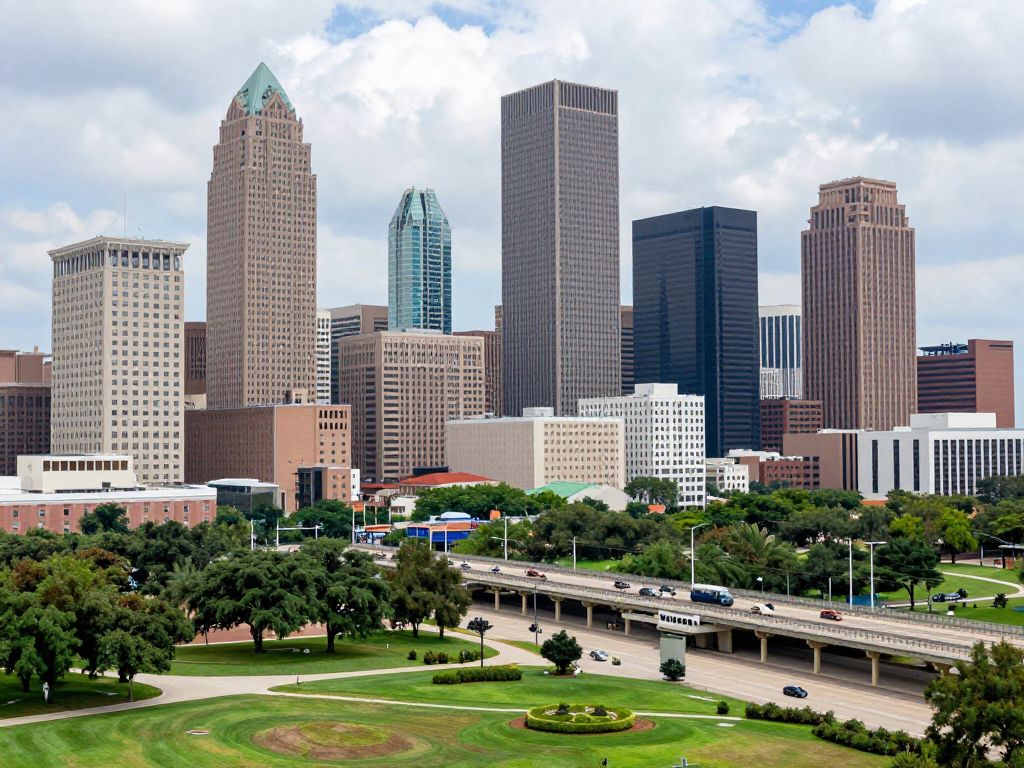
Houston, February 13, 2026
In his recent State of the City address, Mayor John Whitmire highlighted Houston’s commitment to fiscal responsibility, pledging no new taxes despite budgetary challenges. With a proposed budget of approximately $7 billion, the administration aims to manage a projected deficit through strategic resource allocation and efficiency measures. Key focuses include enhanced public safety funding, infrastructure improvements, and innovative transportation solutions, reinforcing the city’s dedication to sustainable growth and community engagement.
Houston, a city built on enterprise and forward-thinking, stands at a pivotal moment. The recent State of the City address delivered by Mayor John Whitmire on Thursday, February 12, 2026, underscored a commitment to navigating the city’s future with prudent fiscal management and an eye toward sustained growth. It was an occasion that highlighted the enduring spirit of local leadership striving to balance essential services with aspirational civic innovation.
Facing significant budgetary considerations, the Mayor’s address offered a clear message: Houstonians will not see an increase in city taxes. This firm stance on fiscal discipline, a cornerstone of responsible governance, aims to foster an environment where individual achievement and private sector vitality can flourish unencumbered by additional governmental levies. The emphasis on efficiency and strategic resource allocation reflects a belief in the power of limited bureaucracy to empower community growth and economic stability.
The address not only detailed the administration’s approach to financial challenges but also painted a picture of an evolving city, ready to embrace new infrastructure and enhanced public services. This comprehensive vision aims to ensure Houston remains a beacon of opportunity, where civic participation and thoughtful stewardship pave the way for a brighter tomorrow.
Upholding Fiscal Prudence: No New Taxes for Houstonians
Mayor Whitmire’s central message during his State of the City address was a steadfast promise to avoid new taxes for Houston residents, even in the face of existing fiscal pressures. This commitment provides a sense of stability for property owners and businesses, reinforcing the city’s dedication to responsible spending rather than increasing the burden on its citizenry. The Mayor’s administration has focused on identifying and implementing efficiencies across city departments as a primary strategy to manage the budget.
The city’s fiscal year 2026 budget proposal, totaling approximately $7 billion, including a $3.03 billion general fund, was designed to close a projected $220 million deficit without introducing new fees or taxes. This approach involved consolidating teams, eliminating vacant positions, and offering voluntary retirement buyouts to municipal employees, measures intended to streamline operations and reduce overhead. While the city faced an initial projected shortfall, strategic settlements and cost-cutting efforts, partly guided by an efficiency study, were instrumental in balancing the budget.
This proactive management of city finances aligns with principles that value taxpayer dollars and seek innovative solutions from within the existing framework. By prioritizing lean government and operational effectiveness, the administration aims to demonstrate that fiscal health can be achieved through disciplined choices, rather than through increased taxation.
Investing in Core Services and Public Safety
A significant portion of the city’s financial strategy under Mayor Whitmire is directed toward strengthening core public services, particularly public safety. The proposed FY2026 budget allocates roughly 58 percent of the general fund towards the police and fire departments. This substantial investment is intended to support new cadet classes and honor negotiated pay increases for first responders, ensuring that Houston’s vital emergency services remain robust and well-staffed.
Beyond public safety, the Mayor’s vision encompasses critical infrastructure improvements. Addressing issues such as broken water lines and deteriorating road conditions is a top priority. Plans are in motion to repave 85 blocks of downtown streets and an ambitious 1,000 miles across the city, aiming to enhance the daily lives of residents and ensure the city’s infrastructure supports its dynamic growth. Furthermore, efforts are underway to significantly reduce the number of broken water pipes, with a stated goal of virtually eliminating them by early next year, a marked improvement from previous figures.
These focused investments highlight a commitment to the foundational elements that contribute to a high quality of life for Houstonians, emphasizing the efficient delivery of essential services.
Envisioning Houston’s Future: Innovation in Mobility and Urban Planning
Beyond immediate fiscal and service priorities, Mayor Whitmire also shared aspirational visions for Houston’s future, signaling a forward-looking approach to urban development and mobility. Among these ideas were concepts such as a light rail connection to the airport and the introduction of water taxis along Houston’s bayous. These proposals suggest an openness to civic innovation that could redefine the city’s transportation landscape and offer new avenues for residents and visitors to experience Houston.
The broader strategy for mobility also includes initiatives to enhance public transit. METRO, under the METRONow initiative, is focusing on improving safety, cleanliness, reliability, and accessibility for its services. This includes plans for increased security presence and the development of direct bus routes from Houston’s airports, aiming to create a more user-friendly and efficient public transportation experience. While some multimodal transit projects have been re-evaluated, the emphasis remains on practical solutions that benefit the widest range of Houstonians and prepare the city for future demands.
These initiatives reflect a desire to position Houston as a leader in innovative urban solutions, where thoughtful planning and strategic partnerships can drive progress without necessarily relying on new taxes.
Efficiency as the Cornerstone of Governance
The Whitmire administration has made operational efficiency a top priority in its fiscal management strategy. This commitment involves a comprehensive review and reorganization of city government functions to identify and eliminate waste, duplication, and potential conflicts of interest. Specific measures include the consolidation of city call centers and the integration of IT, HR, and finance functions across departments. These steps are designed to optimize resource utilization and ensure that every taxpayer dollar is spent effectively.
The approach taken reflects a philosophy that a more streamlined and responsive government can deliver better services while upholding fiscal responsibility. By focusing on internal improvements and administrative rigor, the city aims to achieve greater effectiveness without imposing additional financial burdens on its residents. This emphasis on efficiency also extends to preparing Houston for major upcoming events, such as the World Cup, ensuring the city is not only fiscally sound but also operationally ready for the global stage.
Balancing Perspectives and Embracing Community Engagement
While Mayor Whitmire’s budget proposal emphasizes fiscal discipline and efficiency, it is recognized that such decisions can elicit varied perspectives within the community. Concerns have been raised by some council members regarding potential impacts on departments like parks, building maintenance, the health department, and public libraries due to proposed reductions. The administration has clarified that many savings are expected to come from not filling vacant positions rather than cutting existing services, aiming to mitigate significant service reductions.
This dialogue highlights the ongoing importance of community engagement and the necessity for transparency in governmental processes. A vibrant city thrives when its residents are informed and participate in shaping its future. Houston’s leadership continues to underscore the need for collaboration between city officials, community organizations, and individual citizens to collectively address challenges and seize opportunities. The administration’s willingness to critically assess spending and explore new operational models demonstrates an responsiveness to the city’s evolving needs while upholding the principle of limited government intrusion in the lives of its hard-working citizens.
Mayor John Whitmire’s recent State of the City address articulated a clear path forward for Houston, emphasizing fiscal responsibility, strategic investments in infrastructure and public safety, and an innovative outlook on urban development. His commitment to no new taxes, paired with a vigorous pursuit of governmental efficiency, sets a foundational tone for sustained community growth and individual prosperity. This approach underscores the belief that a well-managed city government empowers its citizens and fosters a dynamic environment where personal initiative can thrive.
As Houston moves ahead, the themes of civic innovation Houston and thoughtful stewardship will continue to be paramount. Residents are encouraged to remain engaged with local initiatives, support Houston community development, and contribute to the ongoing dialogue that shapes our city. By working together, Houston can continue to exemplify a city where economic vitality and strong community bonds are built on a foundation of responsible governance and collective action. Explore Houston TX events and local insights to stay informed and involved.
Frequently Asked Questions
When did Mayor Whitmire deliver his second State of the City address?
Mayor John Whitmire delivered his second State of the City address on Thursday, February 12, 2026.
Did Mayor Whitmire propose a tax hike in his State of the City address?
No, Mayor Whitmire stated that there would be no tax hike despite a “budget headache” and fiscal challenges.
What is the total amount of the proposed FY2026 budget?
The proposed FY2026 budget is approximately $7 billion overall, including a $3.03 billion general fund.
How does the administration plan to address the budget deficit without raising taxes?
The administration plans to address the budget deficit by consolidating teams, eliminating vacant positions, offering voluntary retirement buyouts, and implementing efficiencies identified by an efficiency study.
What are some of the aspirational visions mentioned by Mayor Whitmire?
Aspirational visions mentioned include a light rail connection to the airport and the introduction of water taxis along Houston’s bayous.
What infrastructure improvements are being prioritized?
Prioritized infrastructure improvements include addressing broken water lines and deteriorating road conditions, with plans to repave 85 blocks downtown and 1,000 miles around the city.
Key Features of Mayor Whitmire’s State of the City Address
| Feature | Details |
|---|---|
| Date of Address | Thursday, February 12, 2026 |
| Taxation Stance | No new tax hikes despite budget challenges |
| FY2026 Proposed Budget | Approximately $7 billion overall, with a $3.03 billion general fund |
| Deficit Management | Consolidating teams, eliminating vacant positions, voluntary retirement buyouts, efficiency studies |
| Public Safety Allocation | Roughly 58 percent of the general fund to police and fire departments |
| Infrastructure Priorities | Addressing broken water lines, repaving 85 blocks downtown and 1,000 miles across the city |
| Aspirational Visions | Light rail connection to the airport, water taxis along Houston’s bayous |
| Efficiency Initiatives | Consolidation of city call centers, IT, HR, and finance functions |
Deeper Dive: News & Info About This Topic
HERE Resources
Houston’s Arcanum Infrastructure Strengthens Executive Team
Houston Secures Multimillion-Dollar Beverage Partnership with PepsiCo
UT Austin Achieves Top NSF Research Funding Rank
Conroe City Council Sets New Event Permit Fee
Financial Landscape of University of Texas Athletics
Harris County Judge Democratic Primary: Parker vs. Plummer
UT Austin Expands to Meet Academic and Community Needs
UT Austin Advances in Research Commercialization
Lemonade Day Galveston County Returns to Inspire Youth Entrepreneurs
UT Austin’s Remarkable Achievement in NSF Research Funding

Author: STAFF HERE HOUSTON TX WRITER
The HOUSTON STAFF WRITER represents the experienced team at HEREHouston.com, your go-to source for actionable local news and information in Houston, Harris County, and beyond. Specializing in "news you can use," we cover essential topics like product reviews for personal and business needs, local business directories, politics, real estate trends, neighborhood insights, and state news affecting the area—with deep expertise drawn from years of dedicated reporting and strong community input, including local press releases and business updates. We deliver top reporting on high-value events such as Houston Livestock Show and Rodeo, Art Car Parade, and Chevron Houston Marathon. Our coverage extends to key organizations like the Greater Houston Partnership and Houston Area Urban League, plus leading businesses in energy and healthcare that power the local economy such as ExxonMobil, Schlumberger, and Houston Methodist. As part of the broader HERE network, including HEREAustinTX.com, HERECollegeStation.com, HEREDallas.com, and HERESanAntonio.com, we provide comprehensive, credible insights into Texas's dynamic landscape.