

Houston, January 28, 2026
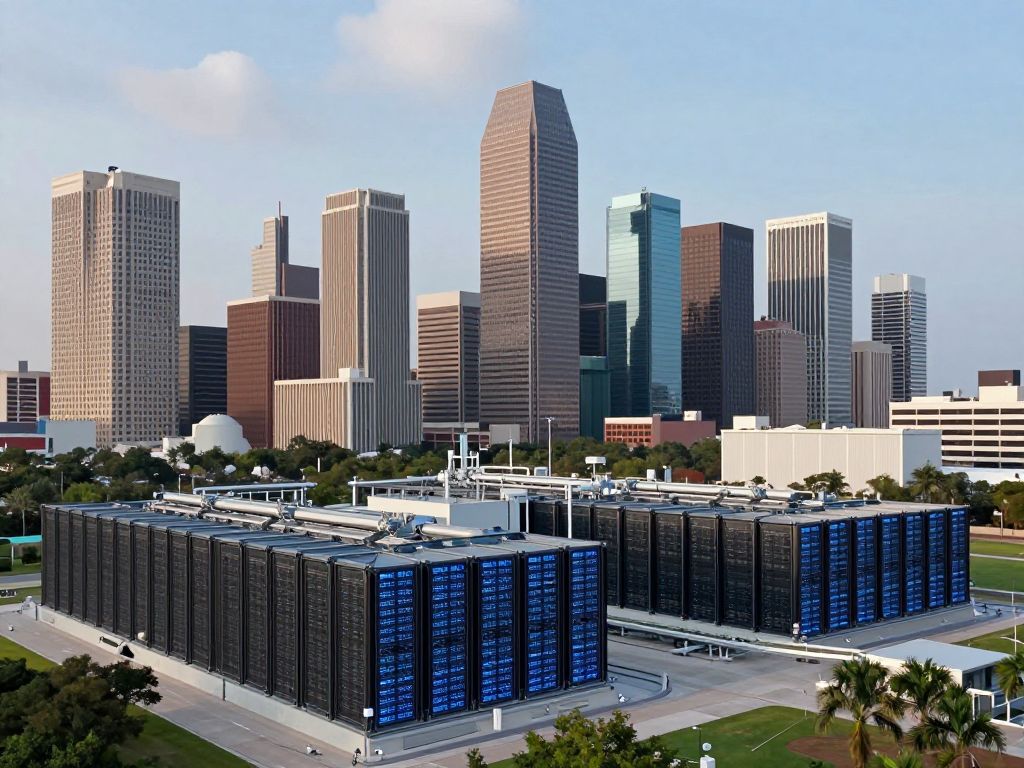
Houston is at the forefront of an energy revolution driven by the rapid growth of artificial intelligence infrastructure. Recent insights reveal that the increasing electricity demands from AI will significantly reshape energy planning in the region. As Texas entrepreneurs innovate, they must adapt to the unique power requirements of emerging technologies. Natural gas emerges as a vital power source to support this shift, ensuring that Houston’s energy infrastructure can accommodate both current and future demands while fostering economic growth.
Houston Gears Up for AI Power Revolution
Houston, a vibrant hub of innovation and entrepreneurial spirit, is closely watching a significant shift in the nation’s energy landscape. A recent analysis highlights the escalating electricity demands driven by the rapid expansion of artificial intelligence infrastructure, a trend poised to reshape energy planning and open new avenues for Houston TX business. The findings underscore the critical role of foresight and adaptable energy solutions in sustaining technological advancement and economic growth.
As Texas TX entrepreneurs continue to push the boundaries of technology, understanding and preparing for the energy requirements of emerging sectors like AI becomes paramount. This latest research provides valuable insights into the challenges and opportunities for our state’s robust energy sector and the local businesses that power its progress.
Understanding AI’s Growing Energy Footprint
Texas Royalty Brokers recently released a new research analysis titled “Why Natural Gas Is the Quiet Backbone of AI’s Growing Power Needs,” examining how artificial intelligence is profoundly reshaping U.S. electricity demand. The report, released on January 27, 2026, details that AI-driven data centers are accelerating faster than the current pace of power generation and transmission projects, creating reliability pressures in various regions nationwide.
This comprehensive analysis reveals that AI workloads are continuous and highly sensitive to reliability, often concentrating in specific regions where infrastructure, such as fiber connectivity, permitting conditions, land availability, and cooling capacity, aligns. This concentration can lead to sudden, significant increases in electricity demand that existing grids were not initially designed to handle.
The Scale of Nationwide AI Energy Demand
The research indicates a substantial increase in electricity consumption driven by data centers across the U.S. Historical estimates show data center electricity use growing from approximately 110 terawatt-hours in 2020 to around 180 terawatt-hours by 2024, with usage estimated near 200 terawatt-hours in 2025. Looking ahead, the study estimated that data centers could represent between 6.7 percent and 12 percent of total U.S. electricity demand by 2028, depending on the pace of AI-driven infrastructure expansion. This is a notable increase from the approximately 4.4 percent of total U.S. electricity consumption accounted for by data centers in 2023.
Globally, AI electricity consumption has doubled every six months over the past two years, marking it as one of the fastest-growing technologies in history in terms of energy needs. Projections suggest that next-generation AI models could require ten times more power than current versions. By 2030, it is estimated that AI could consume 800 terawatt-hours annually nationwide, an amount equivalent to Japan’s entire electricity usage. The United States currently leads global AI development, but maintaining this position will necessitate massive infrastructure investment.
Texas’s Pivotal Role in the Energy Evolution
Texas holds a significant position in this unfolding energy narrative, ranking sixth nationwide for the most AI hubs, with 17 clusters established across the state. These 17 clusters consume an estimated 80.3 million MWh annually, representing nearly 15% of Texas’s substantial 547.3 million MWh output. The state boasts the largest power grid in the U.S., a crucial asset in managing these demands.
The Electric Reliability Council of Texas (ERCOT), the state’s primary grid operator, has forecasted that its system may need to nearly double in size by 2030 to accommodate projected demand, with much of this growth stemming from data centers and the oil and gas industry. ERCOT anticipates 22 gigawatts (GW) of new data center demand by the end of 2030, which would account for 43% of the load growth expected between 2025 and 2030. Overall demand on the ERCOT grid is expected to surge from 87 GW in 2025 to approximately 138 GW in 2030.
The rapid integration of large loads, predominantly data centers, is predicted to have a major impact on bulk power system reliability in the coming years. Additionally, electricity demand from Large Flexible Load (LFL) customers, which includes data centers and cryptocurrency mining operations within the ERCOT region, is projected to reach 54 billion kilowatt-hours (kWh) in 2025, an increase of almost 60% from 2024. This LFL demand is expected to represent about 10% of the total forecast electricity consumption on the ERCOT grid next year.
Natural Gas: A Foundation for AI Growth
The Texas Royalty Brokers’ analysis emphasizes natural gas as a critical near-term source for reliable power as AI infrastructure expands nationwide. This highlights the importance of leveraging existing energy resources while fostering innovation in power generation and distribution. However, challenges persist, such as the dearth of infrastructure to efficiently transport natural gas from regions like the Permian Basin to areas of high demand. Addressing these logistical hurdles through strategic investments and streamlined regulatory processes could unlock significant potential for supporting AI’s power needs.
Fostering Innovation and Resilience in Houston
For Houston, a city synonymous with energy leadership and technological advancement, these developments present both challenges and opportunities. The need for robust and reliable energy infrastructure fuels demand for innovative solutions from local businesses. Houston small business owners and Texas TX entrepreneurs are uniquely positioned to contribute to this evolving landscape, from developing more efficient cooling technologies for data centers to pioneering advanced grid management systems. Private investment in energy infrastructure and technology can play a crucial role in maintaining Texas’s competitive edge and ensuring grid stability. Local innovators can lead efforts in energy efficiency, distributed generation, and responsive demand management, turning potential strains into catalysts for economic expansion.
Engaging the community and fostering partnerships between the energy sector, tech companies, and policymakers will be essential. By working together, Houston can ensure its energy future remains as dynamic and robust as its economy, promoting an environment where entrepreneurial innovation thrives with minimal regulatory burdens that could otherwise stifle growth.
Conclusion
The surge in AI-driven power demand presents a defining moment for the energy sector nationwide and particularly in Texas. The analysis by Texas Royalty Brokers provides a clear roadmap of the challenges and the indispensable role of reliable power sources like natural gas. For Houston, this represents an opportunity to reaffirm its status as an energy capital and a hub for technological innovation. By embracing entrepreneurial solutions, investing in infrastructure, and fostering a supportive business environment, the city can not only meet these new demands but also lead the way in shaping a resilient and prosperous energy future. We encourage our readers to support local businesses at the forefront of these innovations and stay engaged in Houston’s dynamic economic future.
Key Features of AI-Driven Power Demand Analysis
| Feature | Description | Scope |
|---|---|---|
| Report Title | “Why Natural Gas Is the Quiet Backbone of AI’s Growing Power Needs” | Nationwide |
| Release Date | January 27, 2026 | N/A |
| Projected Data Center Demand (2028) | 6.7% to 12% of total U.S. electricity demand | Nationwide |
| Estimated AI Consumption (2030) | 800 terawatt-hours annually (equal to Japan’s usage) | Nationwide |
| Texas AI Hubs | 17 clusters, ranking sixth nationwide | State-level |
| Texas AI Energy Consumption | 80.3 million MWh annually (nearly 15% of state’s output) | State-level |
| ERCOT Projected Load Growth (2025-2030) | Overall demand to surge to approximately 138 GW in 2030 from 87 GW in 2025 | State-level |
| ERCOT New Data Center Demand (2030) | 22 GW, accounting for 43% of load growth | State-level |
| Critical Near-Term Power Source | Natural Gas | Nationwide |
Deeper Dive: News & Info About This Topic
HERE Resources
Austin Westlake School Girls Make History with Undefeated Season
EVTV and AZIO AI Launch Immersion-Ready AI Data Center
Texas Tech Basketball Looks Towards Innovative Competition
What Are the Top 5 Home Construction Trends in Houston for 2024?
Mean Green Dominate: Stevenson Powers North Texas Past UTSA
Texas Balances Data Center Growth with Energy Reliability
Fortifying Digital Defenses for Houston’s Economy
10 Essential Tips for Analyzing Houston’s Real Estate Listings Like a Pro
Dallas Area Schools Showcase Basketball Talent
UT Austin Expands to Meet Academic and Community Needs

Author: STAFF HERE HOUSTON TX WRITER
The HOUSTON STAFF WRITER represents the experienced team at HEREHouston.com, your go-to source for actionable local news and information in Houston, Harris County, and beyond. Specializing in "news you can use," we cover essential topics like product reviews for personal and business needs, local business directories, politics, real estate trends, neighborhood insights, and state news affecting the area—with deep expertise drawn from years of dedicated reporting and strong community input, including local press releases and business updates. We deliver top reporting on high-value events such as Houston Livestock Show and Rodeo, Art Car Parade, and Chevron Houston Marathon. Our coverage extends to key organizations like the Greater Houston Partnership and Houston Area Urban League, plus leading businesses in energy and healthcare that power the local economy such as ExxonMobil, Schlumberger, and Houston Methodist. As part of the broader HERE network, including HEREAustinTX.com, HERECollegeStation.com, HEREDallas.com, and HERESanAntonio.com, we provide comprehensive, credible insights into Texas's dynamic landscape.