

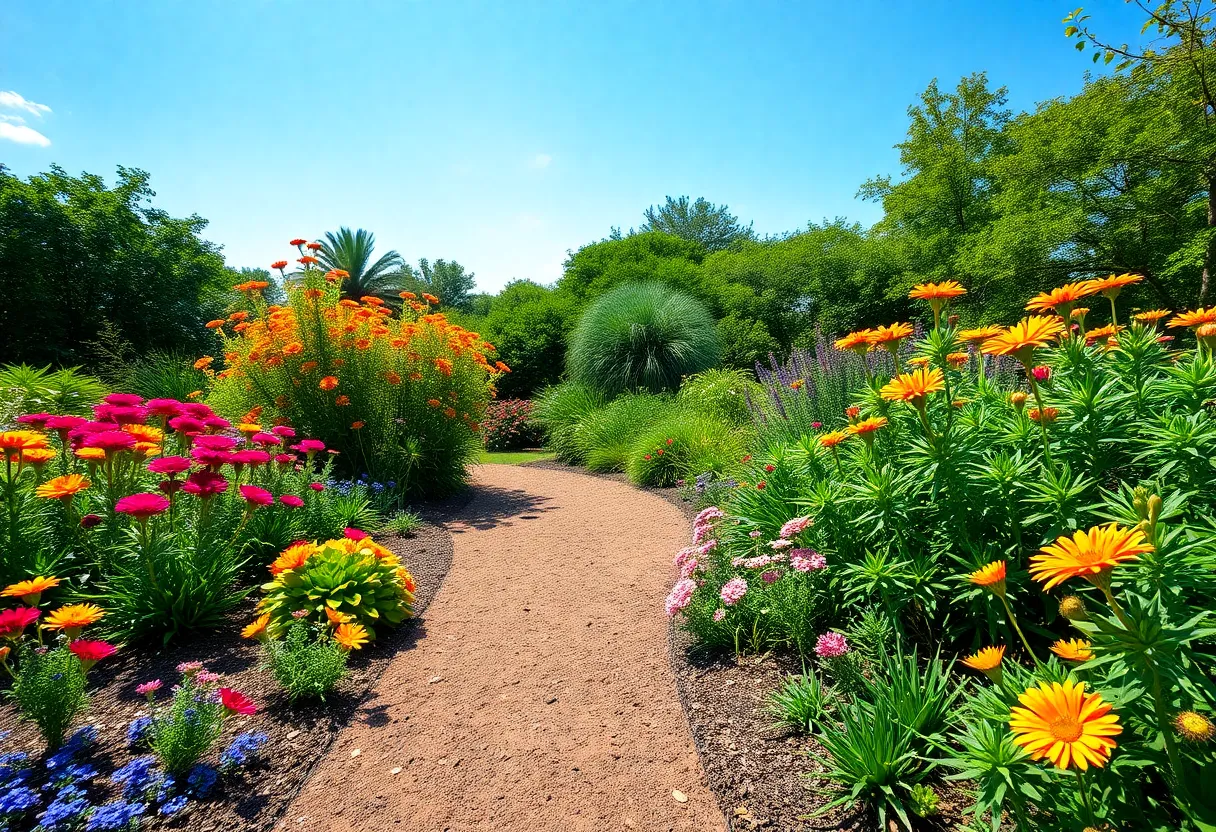
10 Top Tips for Designing a Lush Garden in Houston’s Humid Environment
Creating a vibrant, healthy garden in Houston’s humid climate demands strategic planning and knowledge of local conditions. The combination of high humidity, intense heat, and heavy seasonal rains can challenge even experienced gardeners. However, effective strategies centered around plant selection, watering, soil management, and structural elements can help you develop a thriving landscape. The following ten tips distill essential practices tailored to Houston’s unique environment.
1. Prioritize Native and Heat-Tolerant Plants
The foundation of a successful garden in Houston hinges on selecting plants that are naturally adapted to the local climate. Native species have evolved to withstand the region’s high humidity, heat, and variable rainfall, making them more resilient and less resource-intensive to maintain. Likewise, incorporating *heat-tolerant plants* ensures your landscape remains lush despite extreme temperatures.
- Texas Sage: An evergreen shrub boasting silvery foliage and purple blossoms, it thrives in full sun with minimal water requirements.
- Lantana: This perennial showcases vibrant clusters of flowers, attracts pollinators, and tolerates prolonged heat.
- Esperanza (Yellow Bells): Its striking yellow trumpet flowers flourish in sunny, well-drained settings.
- Pride of Barbados: With bright red, orange, and yellow inflorescences, this tropical shrub adds dramatic color.
- Red Yucca: A low-maintenance plant with tall spikes of tubular red flowers; ideal for xeriscaping efforts.
Utilizing these plants reduces water needs, minimizes pest and disease issues, and ensures longevity in the landscape.
2. Optimize Irrigation Practices
Proper watering strategy is critical in Houston’s humid climate. Over- or under-watering can compromise plant health or lead to disease. The main goal is ensuring efficient moisture delivery directly to roots.
- Deep Watering: Deliver water at the base of plants to encourage *deep root growth* and prevent shallow, vulnerable roots.
- Timing: Water in the early morning. This allows moisture absorption before midday heat increases evaporation.
- System Choice: Employ drip irrigation or soaker hoses; these systems reduce waste and maintain consistent moisture levels.
3. Use Mulch Extensively
Mulching fundamentally impacts soil conditions and plant health. An adequate layer—generally 2 to 3 inches—offers several benefits:
- Moisture Conservation: Mulch slows evaporation, conserving water during dry periods.
- Temperature Control: It insulates roots, maintaining cooler temperatures during daytime heat and warmer temperatures overnight.
- Weed Suppression: Mulch inhibits weed growth, reducing competition for nutrients and water.
Proper mulching is especially important in humid environments where weed and pathogen pressures are heightened.
4. Provide Sufficient Shade
Excessive sun exposure can stress plants, hinder growth, and cause leaf scorch. Strategies include planting shade trees and employing structural shading devices.
- Shade Trees: Position trees like live oaks, crepe myrtles, or cedar elms strategically to shade garden beds without overly competing for nutrients.
- Shade Cloth: Use UV-protected shade fabric over sensitive plants to mitigate the intensity of midday sun.
- Structural Elements: Incorporate pergolas, arbors, or trellises. These provide shade and support for climbing plants, offering dynamic visual interest.
5. Ensure Well-Draining Soil
Soil drainage is pivotal to prevent root rot and fungal infections common in humid conditions. Achieving good soil aeration involves:
- Soil Amendments: Incorporate organic matter such as compost, peat moss, or aged bark to enhance drainage and nutrient content.
- Watering Adjustments: Avoid overwatering; monitor rainfall and soil moisture to prevent saturation.
6. Integrate Hardscaping Elements
Hardscaping introduces structure and functionality to the garden while reducing maintenance needs.
- Light-Colored Materials: Use light-colored pavers, concrete, or gravel in pathways and patios. They reflect heat and help keep nearby plants cooler.
- Pathways: Stone or gravel paths facilitate access, protect soil beds from compaction, and define the landscape layout.
- Water Features: Ponds and fountains increase local humidity, which benefits water-loving plants, and add soothing aesthetic elements.
7. Practice Regular Pruning
Consistent pruning sustains plant health and appearance in humid conditions. Key practices include:
- Remove Dead or Diseased Material: Cutting out compromised growth prevents disease spread.
- Improve Air Circulation: Proper pruning maintains airflow, reducing fungal infections and pest habitat.
8. Vigilantly Monitor Pests and Diseases
High humidity encourages pests and disease proliferation. Proactive control measures include:
- Regular Inspections: Frequent visual checks for discolored foliage, insects, or signs of fungal growth.
- Organic Pest Control: Use natural remedies such as neem oil or insecticidal soap to minimize chemical use.
- Beneficial Insects: Attract predators like ladybugs, lacewings, or parasitic wasps to maintain a natural pest balance.
9. Plan for Seasonal Variations
Houston’s climate fluctuates throughout the year, demanding adaptable gardening strategies:
- Seasonal Plants: Incorporate annuals and perennials suited to different seasons to ensure continuous visual interest and ecological balance.
- Storm Preparedness: Use staking, windbreaks, and protective coverings to reduce damage during storms or hurricanes.
- Adjust Watering: Modify irrigation frequency in response to rainfall patterns and temperatures.
10. Commit to Continuous Education
In-depth understanding of local gardening practices enhances success. Key approaches include:
- Attend Workshops: Learn about regional plant varieties, pest management, and soil health techniques.
- Join Local Gardening Groups: Share experiences, troubleshoot issues, and stay updated on best practices.
- Use Resources: Rely on regional gardening books, online forums, and research to inform decisions.
When executed properly, these key strategies will result in a lush, sustainable garden capable of thriving amid Houston’s humid environment. Success depends on consistent observation, adaptation, and an understanding of the ecosystem’s delicate balance.
Frequently Asked Questions
What are the best native plants for Houston’s humid climate?
Suitable options include Texas Sage, Lantana, Esperanza, Pride of Barbados, and Red Yucca, all of which tolerate heat and humidity effectively.
How often should I water my garden in Houston?
Water deeply once or twice weekly, adjusting frequency based on rainfall, soil moisture, and plant requirements. Water early in the day to maximize absorption.
What soil amendments improve drainage?
Organic matter such as compost, aged bark, and peat moss enhances soil structure, improves aeration, and prevents waterlogging.
How can I protect my plants from pests?
Regular inspections, organic treatments, and encouraging beneficial insects create a balanced environment less prone to pest outbreaks.
Is mulch necessary in Houston gardens?
Yes. Mulch conserves moisture, insulates roots, suppresses weeds, and maintains a stable soil temperature—especially important in humid conditions.
Chart: Key Features of a Houston-Hardy Lush Garden
| Feature | Benefit | Implementation Tip |
|---|---|---|
| Native/Heat-Tolerant Plants | Resilience to climate, low water needs | Select local adaptives; plant in suitable microclimates |
| Deep Irrigation & Mulching | Efficient watering, moisture retention | Use drip systems; apply mulch evenly |
| Proper Shade & Structural Elements | Protection from harsh sun, visual structure | Plant trees strategically; employ shade fabrics and structures |
| Well-Draining Soil | Prevent root rot, improve plant health | Amend with organic matter; avoid overwatering |
| Pest & Disease Monitoring | Healthy plants, reduced disease risk | Regular inspections; attract beneficial insects |

Author: STAFF HERE HOUSTON TX WRITER
The HOUSTON STAFF WRITER represents the experienced team at HEREHouston.com, your go-to source for actionable local news and information in Houston, Harris County, and beyond. Specializing in "news you can use," we cover essential topics like product reviews for personal and business needs, local business directories, politics, real estate trends, neighborhood insights, and state news affecting the area—with deep expertise drawn from years of dedicated reporting and strong community input, including local press releases and business updates. We deliver top reporting on high-value events such as Houston Livestock Show and Rodeo, Art Car Parade, and Chevron Houston Marathon. Our coverage extends to key organizations like the Greater Houston Partnership and Houston Area Urban League, plus leading businesses in energy and healthcare that power the local economy such as ExxonMobil, Schlumberger, and Houston Methodist. As part of the broader HERE network, including HEREAustinTX.com, HERECollegeStation.com, HEREDallas.com, and HERESanAntonio.com, we provide comprehensive, credible insights into Texas's dynamic landscape.