
10 Innovative Gardening Hacks for a Thriving Houston Yard
Creating a resilient, sustainable, and visually appealing yard in Houston requires tailored strategies that address the region’s distinctive climate and soil conditions. Implementing innovative gardening techniques ensures your outdoor space remains low-maintenance and productive. Here are ten proven hacks designed specifically for Houston gardeners seeking a thriving yard.
1. Embrace Vertical Gardening
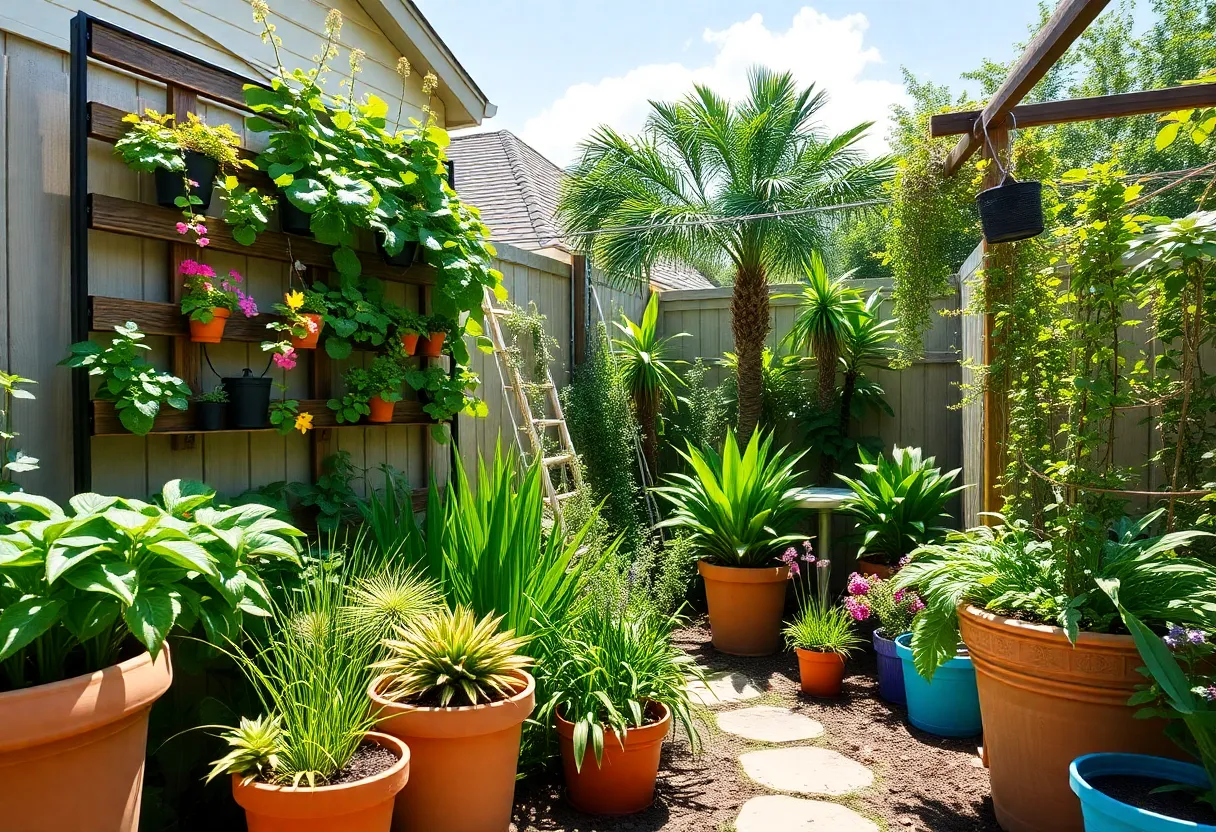
Vertical gardening maximizes limited space, a critical advantage in urban or smaller yards. Installing trellises, wall-mounted planters, or repurposed wooden pallets allows you to cultivate plants upwards, saving ground space. This method is ideal for climbing crops such as tomatoes, cucumbers, and beans. Beyond space-saving, vertical gardens introduce visual interest, create natural privacy screens, and improve air circulation around plants.
2. Opt for Native and Drought-Tolerant Plants
Native plants are naturally adapted to Houston’s *hot, humid climate* and can withstand local weather extremes. Incorporate species such as Texas lantana, black-eyed Susan, and Turk’s cap for low-water needs and pest resistance. These plants *support local ecosystems* by attracting native pollinators like butterflies and bees. Additionally, drought-tolerant species such as yucca and Texas sage require minimal watering and maintenance, conserving resources and reducing watering schedules.
3. Implement Efficient Irrigation Systems
Drip irrigation and soaker hoses deliver water directly to plant roots, drastically reducing evaporation—a key advantage in Houston’s warm climate. Incorporate rain barrels to collect runoff, providing a sustainable water source, especially during rainy seasons. Proper irrigation management prevents overwatering, which can lead to root rot—a common issue in dense or clay-heavy soils.
4. Utilize Raised Beds and Container Gardening
Raised beds improve soil drainage and can be filled with custom soil mixes—crucial in Houston’s predominantly clay soils. These beds also reduce the need for bending, making gardening accessible. Use durable materials like cedar or composite wood resistant to Houston’s weather. Container gardening offers flexibility, allowing you to cultivate vegetables, herbs, and flowers in protected environments or on patios.
5. Apply Mulch to Conserve Moisture
Organic mulch layers of 2-3 inches—such as pine bark or hardwood chips—are vital in Houston’s climate for maintaining soil moisture, suppressing weeds, and regulating temperature fluctuations. Proper mulching minimizes water loss and keeps roots cool during peak summer months. Keep mulch a few inches away from plant stems to prevent rot and allow airflow.
6. Create Microclimates with Shade Structures
Houston’s intense sun necessitates shade structures like pergolas, shade sails, or retractable awnings. These not only shield sensitive plants but also extend outdoor usability by reducing heat. For smaller gardens or patios, large umbrellas or shade cloths provide localized protection. Use UV-resistant materials to prolong the lifespan of these installations amid Houston’s challenging weather conditions.
7. Incorporate Edible Landscaping
Edible landscaping blends aesthetic appeal with functionality. Integrate fruit trees, herbs, and vegetables into your floral designs. Dwarf citrus trees like lemons and limes thrive in containers, offering fresh produce directly from your yard. Herbs such as rosemary, basil, and mint adapt well to Houston’s climate and provide culinary versatility. This approach reduces food costs and encourages sustainable food choices.
8. Implement Companion Planting
Companion planting enhances plant health and pest management through strategic pairing. For instance, plant basil near tomatoes to improve flavor and deter insects. Marigolds act as natural pest repellents, helping control nematodes and other soil-borne pests. Understanding compatibility reduces reliance on chemical controls and fosters a balanced garden ecosystem.
9. Install Efficient Lighting for Evening Enjoyment
Landscape lighting creates ambiance, extends usability, and enhances safety. Use energy-efficient LED lights along pathways, seating areas, and focal plants. Solar-powered options are eco-friendly, requiring minimal maintenance. Thoughtful lighting accentuates your garden’s features at night and promotes outdoor gatherings while adding a layer of security.
10. Practice Integrated Pest Management (IPM)
IPM strategies reduce chemical dependency by emphasizing natural controls. Encourage beneficial insects such as ladybugs and lacewings to combat pests. Apply natural remedies like neem oil or insecticidal soap for infestations. Regularly inspect plants for signs of stress such as yellowing or wilting. Early detection and biological control methods keep pests manageable and support a healthier garden environment.
Summary and Implementation Tips
Effective gardening in Houston hinges on understanding local conditions and employing tailored solutions. Prioritize water conservation techniques and native plants to withstand high temperatures and humidity. Use raised beds and mulching to optimize soil conditions, especially across clay-heavy plots. Incorporate shade structures and edible elements to enhance functionality and aesthetics. Consistent pest management via eco-friendly methods ensures a resilient, thriving garden.
Frequently Asked Questions
What are the best native plants for Houston gardens?
Texas lantana, black-eyed Susan, Turk’s cap, and purple coneflowers are highly suitable for the Houston climate. They require less water and resistant to local pests.
How can I conserve water effectively in Houston’s climate?
Utilize drip irrigation or soaker hoses, implement rain barrels, and mulch extensively to retain soil moisture and reduce water waste.
Which plants are ideal for vertical gardening in Houston?
Climbers like tomatoes, cucumbers, beans, and flowering vines such as clematis work well with vertical setups, especially in confined spaces.
What are some low-maintenance edible plants for Houston?
Dwarf citrus, herbs like rosemary and basil, and resilient vegetables like peppers and okra adapt well to Houston’s conditions.
How do I prevent pests without using chemicals?
Encourage beneficial insects, use companion planting, and apply natural remedies like neem oil or insecticidal soap for pest control.
Key Features of a Thriving Houston Garden
| Feature | Description | Benefit |
|---|---|---|
| Native & Drought-Tolerant Plants | Adaptation to Houston’s climate with minimal irrigation. | Water conservation and pest resistance. |
| Efficient Irrigation Systems | Drip hoses and rain barrels for targeted watering. | Reduces water waste during peaks of summer. |
| Vertical & Container Gardening | Optimizes space and soil conditions. | Allows for high-yield and easy access gardening. |
| Mulching & Shade Structures | Maintains soil moisture and protects plants from direct sun. | Enhances plant health and prolongs growing season. |
| Eco-Friendly Pest Management | Beneficial insects and natural remedies. | Creates a balanced, chemical-free ecosystem. |

Author: STAFF HERE HOUSTON TX WRITER
The HOUSTON STAFF WRITER represents the experienced team at HEREHouston.com, your go-to source for actionable local news and information in Houston, Harris County, and beyond. Specializing in "news you can use," we cover essential topics like product reviews for personal and business needs, local business directories, politics, real estate trends, neighborhood insights, and state news affecting the area—with deep expertise drawn from years of dedicated reporting and strong community input, including local press releases and business updates. We deliver top reporting on high-value events such as Houston Livestock Show and Rodeo, Art Car Parade, and Chevron Houston Marathon. Our coverage extends to key organizations like the Greater Houston Partnership and Houston Area Urban League, plus leading businesses in energy and healthcare that power the local economy such as ExxonMobil, Schlumberger, and Houston Methodist. As part of the broader HERE network, including HEREAustinTX.com, HERECollegeStation.com, HEREDallas.com, and HERESanAntonio.com, we provide comprehensive, credible insights into Texas's dynamic landscape.