

Houston, December 16, 2025
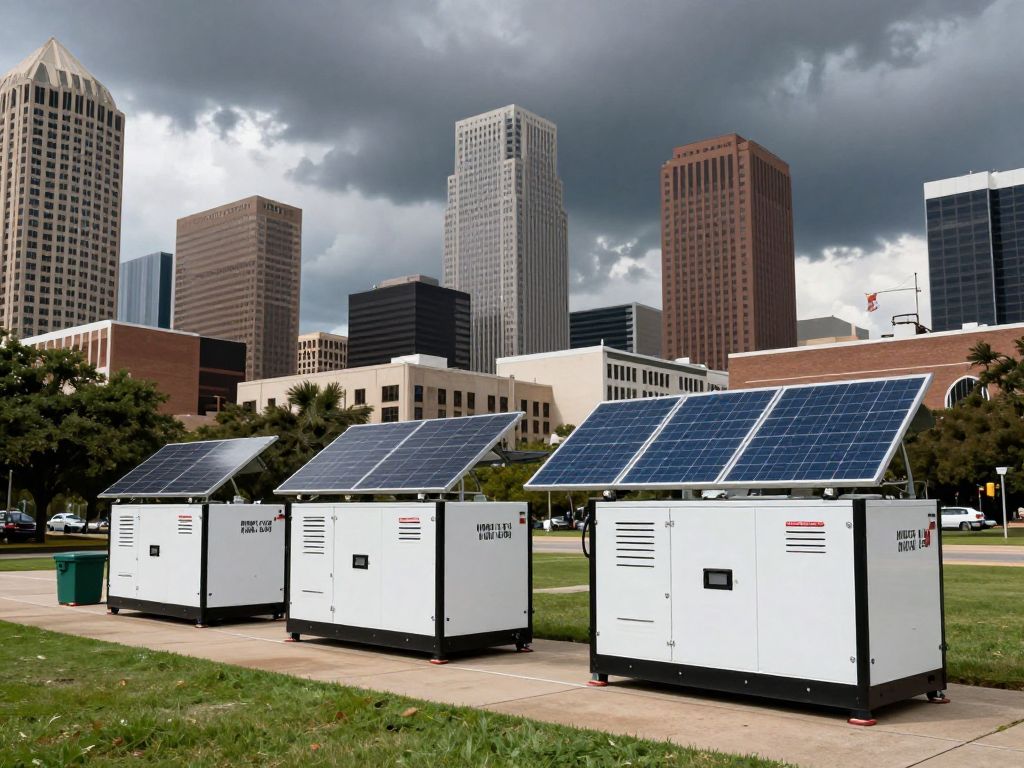
In Texas, the independent spirit drives entrepreneurs to create emergency power solutions in response to severe weather and power disruptions. As the state faces frequent outages, Houston small businesses are at the forefront of developing backup power technologies, including standby generators, portable units, and solar energy systems. The push for energy independence not only enhances personal and community resilience but also fosters economic growth and innovation in the region.
Houston, TX – In a state renowned for its independent spirit and robust economy, the ability to maintain consistent power is not just a convenience but a cornerstone of both personal security and business continuity. Texas, with its dynamic weather patterns ranging from severe winter storms to scorching summer heatwaves, has experienced significant power challenges in recent years, underscoring the critical need for reliable emergency power solutions for homes and businesses alike. These challenges have galvanized Texas TX entrepreneurs and Houston small businesses to innovate and invest in diverse strategies, reinforcing individual and community resilience.
The imperative for self-reliance in energy has become a guiding principle for many Texans. This drive fosters a vibrant market where private investment and entrepreneurial spirit are delivering robust solutions, often reducing dependence on an intermittently stressed grid. As communities like Houston continue to grow and adapt, the pursuit of energy independence highlights the determination of Texans to safeguard their livelihoods and well-being through proactive measures and cutting-edge technology.
The Imperative for Power Resilience in Texas
Texas has faced significant power disruptions, exemplified by the February 2021 winter storm which caused widespread electricity generation failure, leaving millions of homes without power, some for several days. Beyond this notable event, the state experiences frequent weather-related outages, recording more weather-related power outages than any other state between 2000 and 2023. Severe weather, including powerful windstorms, hurricanes, and ice storms, routinely challenges the electrical infrastructure, impacting nearly 1 million customers in the Houston region during one mid-May windstorm. These recurring incidents underscore the vital importance of having robust emergency power solutions to protect homes, maintain business operations, and ensure public safety.
Traditional Resilience: The Power of Generators
Generators remain a foundational solution for emergency power, offering dependable backup during grid outages. These systems typically fall into two main categories: standby (or whole-house) generators and portable generators.
Standby Generators
Standby generators are permanently installed outside a home or business and are designed to activate automatically within seconds of a power outage. They connect directly to the property’s electrical system via an automatic transfer switch, ensuring a seamless transition to backup power without manual intervention. These units can be fueled by natural gas or liquid propane, with many operating off an existing natural gas supply, eliminating the need for frequent refueling during extended outages. Standby generators come in various sizes, capable of powering essential appliances or an entire property, making them a comprehensive solution for prolonged disruptions. For businesses, these generators are critical for maintaining operations, protecting sensitive data, ensuring security systems remain active, and preventing significant financial losses due to downtime. The average total cost for a whole-home generator in Texas, including the unit and installation, typically ranges from $13,000 to over $20,000, depending on size and complexity. Installation costs alone can range from $6,000 to over $8,000.
Portable and Inverter Generators
Portable generators offer a more flexible and often more affordable option. These units are movable and can power specific essential appliances and electronics through extension cords plugged directly into the unit. They typically run on gasoline or propane and are suitable for powering critical items like refrigerators, fans, and communication devices during shorter outages or for temporary needs. Inverter generators are a type of portable generator known for being lighter, quieter, and producing clean power suitable for sensitive electronics. Both portable and inverter generators require manual startup and refueling and must be operated outdoors in a well-ventilated area to prevent carbon monoxide poisoning. While they offer versatility, their power output is generally less than standby units, making them ideal for targeted backup rather than whole-property power.
Modern Solutions: Solar and Battery Storage
The pursuit of energy independence has led many Texans to explore advanced solutions like solar energy systems paired with battery storage. These innovative systems offer an eco-friendly approach to backup power and contribute to greater energy security.
Integrated Solar and Battery Systems
A solar battery storage system captures excess electricity generated by solar panels during peak sunlight hours and stores it for later use. When the grid is operational, this stored energy can reduce reliance on utility power during evening hours or high-demand periods, potentially lowering electricity bills. Crucially, during a power outage, the battery system can automatically supply stored energy to a home or business, keeping essential circuits powered even when the grid is down. While grid-tied solar systems typically shut off during outages for safety, adding a battery backup allows homeowners to access the stored energy. These systems provide a continuous power supply that responds within milliseconds during outages. Companies like Texas Backup Power Solutions offer automatic battery backup without requiring solar panels, and these systems can be eligible for tax credits.
Benefits and Resilience
Beyond emergency backup, solar and battery storage systems offer several advantages. They reduce a property’s carbon footprint, decrease dependence on the traditional grid, and provide a seamless transition to backup power. For commercial customers, these systems can also help reduce demand charges from utility companies. Local innovations, such as the development of virtual power plants (VPPs) in Texas, aggregate consumer solar paired with batteries to provide more resilient power to the state’s grid, especially during heat waves. Houston has been a leader in the Aggregated Distributed Energy Resources (ADERs) pilot project, which aims to integrate these distributed resources into the grid for enhanced reliability and affordability. Durability is a key consideration for Texas-specific systems, with solutions designed to withstand extreme heat, flooding, and dust.
Flexible Power: Portable Solutions
For immediate and adaptable power needs, portable power stations have emerged as valuable tools for emergency preparedness in Texas. These compact, battery-powered units provide backup electricity for essential devices without emissions or noise, making them suitable for indoor use.
Portable power stations are particularly beneficial for residents in disaster-prone areas, enabling them to keep communication devices, medical equipment like CPAP machines, and refrigeration for perishables operational during outages. They offer versatility with various output options to power a wide range of devices, from small electronics to some larger appliances. Many models can be recharged via solar panels or car cigarette lighters, providing flexible charging options in a crisis. The quiet operation and eco-friendly nature of these devices present a compelling alternative to traditional generators for temporary power needs.
The Economic Impact of Energy Independence
The push for diverse emergency power solutions in Texas is not just about preparedness; it’s a driving force for economic growth and entrepreneurial innovation. Texas TX entrepreneurs and Houston TX business owners are actively developing and deploying these solutions, fostering a competitive market that benefits consumers and creates jobs. Local companies specialize in generator installation, maintenance, and solar/battery integration, providing expert services crucial for reliable system operation.
The investment by individuals and businesses in these technologies represents a significant form of private investment in infrastructure resilience. This market-driven approach, responsive to consumer demand for reliable power, exemplifies how limited regulation can empower the private sector to innovate rapidly. Furthermore, the development of advanced solutions like Utility-Scale Microgrids (USMs) and virtual power plants demonstrates how private-public collaborations can strengthen the broader Texas electric grid, providing quick-response power to communities and critical infrastructure during stress or unavailability. These initiatives not only enhance resilience but also stimulate the local economy, creating opportunities and ensuring business continuity for Houston small businesses.
Planning for Your Power Future
Choosing the right emergency power solution requires careful consideration of individual or business needs, budget, and local conditions. Factors such as power requirements (wattage), desired run time, fuel availability, noise levels, and installation complexity all play a role in making an informed decision. Professional installation by licensed electricians is crucial for standby generators and solar battery systems to ensure safety and compliance with local regulations. Regular maintenance is also vital to ensure any system is ready to perform when needed most.
For those considering these investments, exploring options from local providers who understand the unique challenges of the Texas climate and grid is often beneficial. Many companies offer consultations to help determine the most suitable and cost-effective solution, whether it’s a traditional generator, a cutting-edge solar-plus-storage system, or a versatile portable power station. The proactive steps taken by Texans to secure their power futures reflect a commitment to self-sufficiency and community strength.
As Texas continues to navigate unpredictable weather and evolving energy demands, the availability and adoption of diverse emergency power solutions are more vital than ever. From robust standby generators to innovative solar battery systems and flexible portable power stations, Texans have a growing array of options to ensure continuity and peace of mind. By supporting the Texas TX entrepreneurs and local businesses driving these advancements, individuals and communities can further bolster their resilience and contribute to a more secure and independent energy landscape.
Investing in reliable emergency power is an investment in future stability. We encourage readers to explore these solutions, engage with local providers, and take proactive steps to secure their energy needs, thereby strengthening our collective economic future and community well-being.
Frequently Asked Questions
What are the primary reasons for needing emergency power solutions in Texas?
The primary reasons for needing emergency power solutions in Texas include unpredictable weather events like severe winter storms, powerful windstorms, hurricanes, and heatwaves, which frequently cause significant power disruptions and outages across the state.
What types of generators are available for homes and businesses in Texas?
For homes and businesses in Texas, two main types of generators are available: standby generators, which are permanently installed and automatically activate during outages, and portable generators (including inverter generators), which are movable and require manual operation.
How do solar and battery storage systems provide emergency power in Texas?
Solar and battery storage systems provide emergency power in Texas by storing excess electricity generated by solar panels during sunlight hours. When a power outage occurs, the battery system automatically supplies this stored energy to the property, maintaining power for essential circuits.
What are the benefits of portable power stations for emergency use in Texas?
Portable power stations offer several benefits for emergency use in Texas, including flexibility, quiet operation, and no emissions, making them suitable for indoor use. They can power essential medical devices, communication equipment, and small appliances during outages, and many can be recharged by solar energy or a car cigarette lighter.
What is the typical cost range for installing a whole-home generator in Texas?
The typical total cost for a whole-home generator in Texas, including the unit and installation, generally ranges from $13,000 to over $20,000. Installation costs alone typically range from $6,000 to over $8,000, depending on factors like generator size and setup complexity.
Key Features of Emergency Power Solutions in Texas
| Solution Type | Key Features | Fuel/Energy Source | Typical Application | Automatic Operation | Typical Cost Range (Installation Included, State-level) |
|---|---|---|---|---|---|
| Standby Generators | Permanently installed, robust output, can power entire property, seamless transition. | Natural gas, liquid propane (LP), diesel. | Whole-home or commercial property backup. | Yes | $13,000 – $20,000+ |
| Portable Generators | Movable, manual operation, power specific essential appliances, can be more affordable. | Gasoline, propane. | Temporary power for critical items, small to medium needs. | No (manual start) | Varies significantly by wattage and brand (typically lower than standby). |
| Solar + Battery Storage | Eco-friendly, energy independence, silent operation, can reduce utility bills, instantaneous switch. | Solar energy, grid electricity. | Backup for essential circuits or whole-home, energy management. | Yes | Significant upfront investment, may be eligible for tax credits (Nationwide) |
| Portable Power Stations | Compact, silent, no emissions, versatile output, suitable for indoor use. | Battery (recharged via AC, solar panels, car). | Powering medical devices, communication, small electronics. | No (manual connection) | Varies significantly by capacity (typically hundreds to a few thousand dollars). |
Deeper Dive: News & Info About This Topic
HERE Resources
10 Essential Questions to Ask Yourself Before Buying Your First Home
Process Solutions International Unveils Enhanced Equipment for Oil and Gas
Reliable Fire Protection Expands Fire Alarm Services in Cypress, TX
Spartan Fire Protection Enhances Commercial Safety in Sugar Land, TX
Texas Overhauls HUB Program, Excluding Women and Minority-Owned Businesses
Join the 45th Annual ABC13 Share Your Holidays Food Drive
House Fire in Southeast Houston on Thanksgiving Morning
Juveniles Seen Fleeing Petroleum Storage Fire in Harris County
Vehicle Fire at Target Shopping Center Raises Safety Concerns
Tornado Causes Extensive Damage in Northwest Harris County

Author: STAFF HERE HOUSTON TX WRITER
The HOUSTON STAFF WRITER represents the experienced team at HEREHouston.com, your go-to source for actionable local news and information in Houston, Harris County, and beyond. Specializing in "news you can use," we cover essential topics like product reviews for personal and business needs, local business directories, politics, real estate trends, neighborhood insights, and state news affecting the area—with deep expertise drawn from years of dedicated reporting and strong community input, including local press releases and business updates. We deliver top reporting on high-value events such as Houston Livestock Show and Rodeo, Art Car Parade, and Chevron Houston Marathon. Our coverage extends to key organizations like the Greater Houston Partnership and Houston Area Urban League, plus leading businesses in energy and healthcare that power the local economy such as ExxonMobil, Schlumberger, and Houston Methodist. As part of the broader HERE network, including HEREAustinTX.com, HERECollegeStation.com, HEREDallas.com, and HERESanAntonio.com, we provide comprehensive, credible insights into Texas's dynamic landscape.