

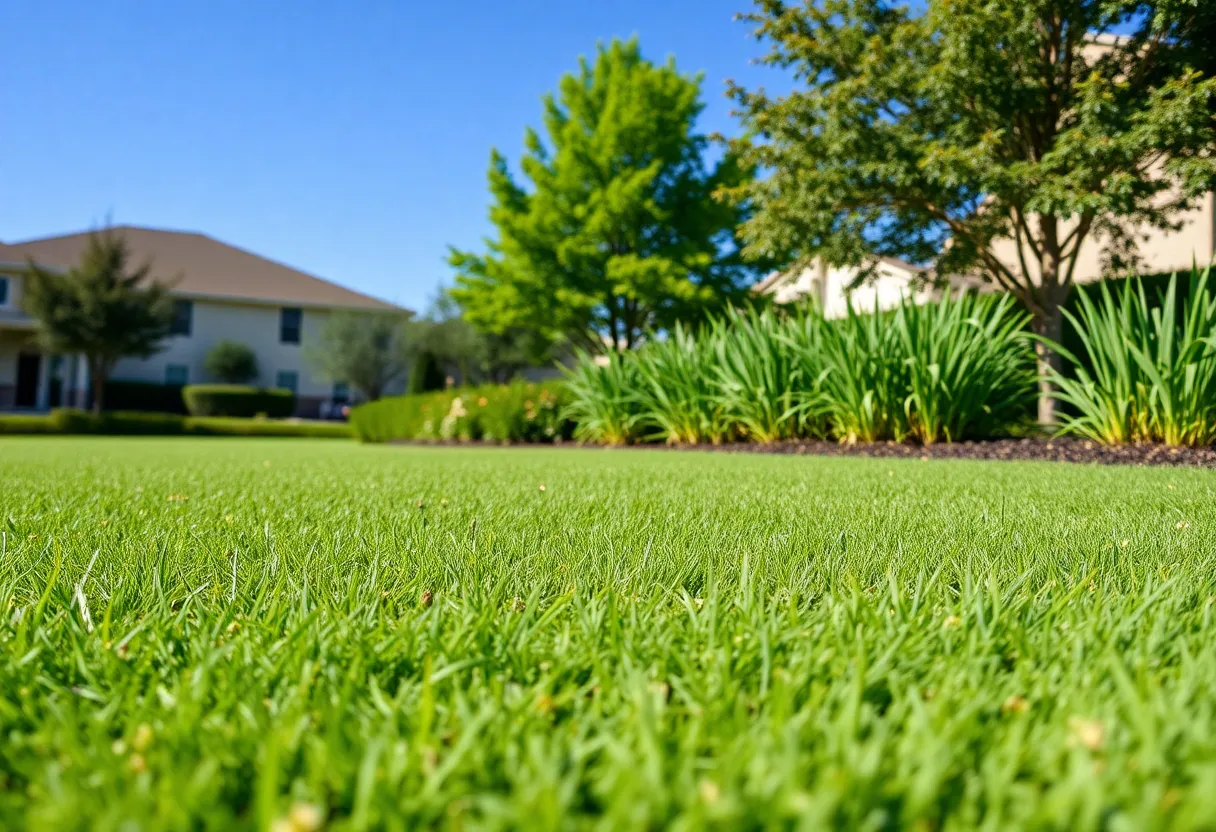
7 Tips for Creating an Eco-Friendly Lawn in Houston’s Climate
Achieving an environmentally responsible lawn in Houston demands strategic planning, sustainable practices, and careful adaptation to local weather patterns. Houston’s hot, humid summers and mild winters create unique challenges that require tailored solutions for lawn health and conservation. This guide provides essential tips for establishing and maintaining an eco-friendly lawn suited to this climate, ensuring durability, aesthetics, and ecological integrity.
1. Select Native and Drought-Tolerant Grass Varieties
The foundation of an eco-friendly lawn in Houston hinges on choosing the right grass types. Native grasses like St. Augustine, Bermuda, and Zoysia are inherently adapted to the region’s climate conditions. These species offer superior drought resistance, reduce water requirements, and naturally withstand heat and humidity. By opting for these varieties, homeowners minimize the need for extensive inputs such as supplemental watering and fertilizers, which contributes significantly to environmental sustainability.
2. Employ Smart and Efficient Irrigation Techniques
Water management is critical in Houston’s drought-prone periods. Adopting the following practices ensures optimal use of water resources:
- Timing: Irrigate early in the morning, ideally before 10 a.m., when evaporation rates are lowest. This maximizes moisture absorption by roots and conserves water.
- Deep and Infrequent Watering: Focus on deep, thorough watering sessions two to three times weekly, rather than daily shallow watering. This promotes deeper root growth, enhancing drought resilience.
- Rainwater Harvesting: Installing rain barrels to collect runoff from gutters allows for sustainable irrigation. Utilizing harvested rainwater reduces dependence on municipal supplies and lessens environmental impact.
3. Utilize Organic Fertilizers for Soil Enrichment
Soil health directly influences lawn vitality and ecological footprint. Instead of synthetic fertilizers, use organic options such as compost, aged manure, or plant-based formulations like kelp or alfalfa meal. These enhance nutrient levels naturally, improve soil structure, and reduce chemical runoff that could harm local ecosystems. Regular soil testing ensures targeted application, avoiding over-fertilization and maintaining environmental balance.
4. Practice Proper Mowing Techniques
Correct mowing practices help maintain a resilient lawn while conserving resources:
- Optimal Mowing Height: Set mower blades to a height of approximately 2.5 to 3.5 inches, depending on the grass type. Taller grass shades the soil, reduces evaporation, and suppresses weeds.
- Sharpen Blades: Keep mower blades sharp to ensure clean cuts. Dull blades damage grass tissue, increasing vulnerability to disease and stress.
- Leave Clippings: Leave grass clippings on the lawn after mowing. Decomposing clippings return nutrients, reduce fertilizer needs, and promote soil health.
5. Incorporate Mulch in Planting Beds and Garden Areas
Applying mulch offers multiple ecological advantages:
- Moisture Conservation: Mulch reduces soil evaporation, decreasing watering needs.
- Weed Control: A thick layer hampers weed growth, minimizing competition for nutrients and water.
- Temperature Moderation: Mulch insulates soil, maintaining consistent temperatures, which benefits plant roots during Houston’s intense summers and mild winters.
6. Minimize Chemical Pesticide Usage
Reducing reliance on chemical pesticides protects wildlife, pollinators, and soil health. Alternative, natural pest management strategies include:
- Beneficial Insects: Introduce or encourage insects like ladybugs, lacewings, and predatory beetles to naturally control pest populations.
- Organic Pesticides: Use non-toxic solutions derived from natural ingredients—such as neem oil or insecticidal soaps—when pest control is necessary.
- Integrated Pest Management: Combine biological, cultural, physical, and minimal chemical methods to suppress pest outbreaks effectively while minimizing environmental harm.
7. Regular Lawn Aeration
Lawn aeration improves soil vitality by creating pathways for air, water, and nutrients:
- Deep Root Promotion: Aerating allows roots to access deeper soil layers, strengthening the grass and increasing drought tolerance.
- Alleviating Soil Compaction: It reduces compacted soil layers, enhancing aeration, infiltration, and root growth.
- Enhanced Fertilizer Effectiveness: Aeration helps fertilizers and amendments reach the root zone efficiently, maximizing their benefits and reducing waste.
Implementation Benefits and Overall Impact
Adopting these practices results in a lawn that is not only healthy and vibrant but also environmentally sustainable. An eco-friendly lawn minimizes water use, reduces chemical runoff, supports biodiversity, and conserves resources. In Houston’s climate, these strategies promote resilience, reduce maintenance costs, and contribute to local ecological health by fostering natural plant relationships and minimizing pollution.
FAQ: Eco-Friendly Lawn in Houston
Q1: What are the best grass types for Houston’s climate?
Native grasses like St. Augustine, Bermuda, and Zoysia are most suited. They are drought-resistant, tolerate heat and humidity, and require less maintenance.
Q2: How often should I water my lawn during Houston summers?
Deep watering session twice to three times weekly, preferably early in the morning, optimizes water use and promotes healthy roots.
Q3: Are organic fertilizers effective in Houston’s environment?
Yes. Organic fertilizers like compost and kelp meal improve soil health naturally while reducing environmental impact. Soil testing guides precise application.
Q4: How can I reduce pesticide use on my lawn?
Encourage beneficial insects, use organic pest control solutions, and employ integrated pest management strategies to minimize chemical reliance.
Q5: Why is aeration important for my lawn?
Aeration enhances soil structure, relieves compaction, deepens root growth, and improves nutrient and water uptake, making lawns more resilient.
Chart: Key Features of an Eco-Friendly Lawn in Houston
| Feature | Benefits | Best Practices |
|---|---|---|
| Native & Drought-Resistant Grasses | Fail-proof adaptation, lower water needs, easy maintenance | Select St. Augustine, Bermuda, Zoysia |
| Smart Irrigation | Conserves water, promotes healthy roots | Timing early mornings; deep, infrequent watering; rain harvesting |
| Organic Fertilizers | Enhances soil, reduces runoff | Use compost, kelp, soil testing |
| Proper Mowing | Healthier grass, weed suppression | Maintain height at 2.5–3.5 inches; sharp blades; leave clippings |
| Mulch Application | Moisture retention, temperature regulation, weed control | Layer mulch around plants and beds |
| Pest Management | Protects biodiversity, reduces chemicals | Beneficial insects, organic solutions, IPM |
| Aeration | Root growth, soil health, drought resilience | Annual or biannual aeration |

Author: STAFF HERE HOUSTON TX WRITER
The HOUSTON STAFF WRITER represents the experienced team at HEREHouston.com, your go-to source for actionable local news and information in Houston, Harris County, and beyond. Specializing in "news you can use," we cover essential topics like product reviews for personal and business needs, local business directories, politics, real estate trends, neighborhood insights, and state news affecting the area—with deep expertise drawn from years of dedicated reporting and strong community input, including local press releases and business updates. We deliver top reporting on high-value events such as Houston Livestock Show and Rodeo, Art Car Parade, and Chevron Houston Marathon. Our coverage extends to key organizations like the Greater Houston Partnership and Houston Area Urban League, plus leading businesses in energy and healthcare that power the local economy such as ExxonMobil, Schlumberger, and Houston Methodist. As part of the broader HERE network, including HEREAustinTX.com, HERECollegeStation.com, HEREDallas.com, and HERESanAntonio.com, we provide comprehensive, credible insights into Texas's dynamic landscape.