

Houston, February 12, 2026
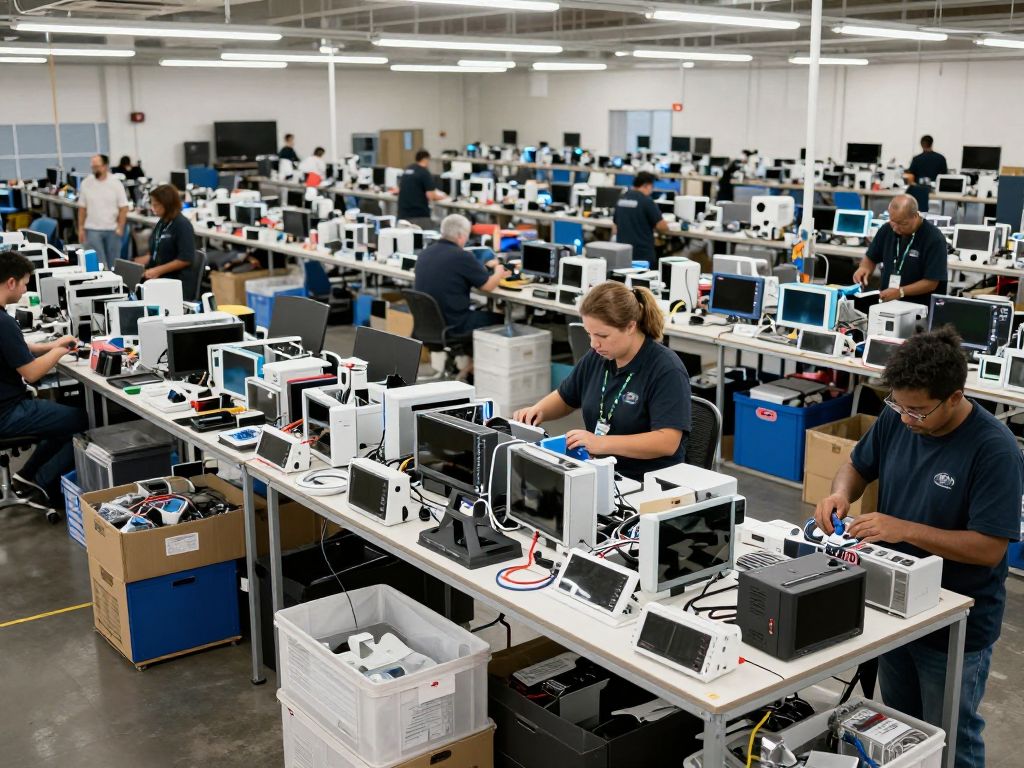
Houston’s IT asset disposal (ITAD) landscape is rapidly changing as businesses seek secure and compliant electronics recycling solutions. With significant e-waste generated annually, local entrepreneurs are providing sustainable management of IT assets, addressing both data security and environmental concerns. Regulatory pressures and innovative recycling practices are driving a robust ecosystem for responsible electronic waste disposal in the city.
Houston’s Evolving ITAD Landscape: New Rules Drive Demand for Secure Electronics Recycling
In a thriving economic hub like Houston, where innovation and enterprise continuously push the boundaries of technology, the lifecycle of electronic devices is a critical consideration for every business. As organizations embrace digital advancements, the need for responsible management of retired IT assets becomes paramount. Local entrepreneurs and forward-thinking companies are stepping up, transforming the challenge of electronic waste (e-waste) into an opportunity for secure, sustainable, and economically beneficial solutions. This burgeoning sector reflects Houston’s commitment to both robust business practices and environmental stewardship.
The pace of technological change often means a rapid turnover of devices, from computers and servers to mobile phones and various IT infrastructure. While this dynamism fuels economic growth, it also generates a significant volume of electronic waste. Navigating the complex interplay of data security mandates and environmental regulations has become a strategic necessity for Houston TX business leaders, propelling the demand for certified IT asset disposal (ITAD) services that ensure compliance and safeguard sensitive information.
The Rising Tide of E-Waste and Data Imperatives
The accumulation of electronic waste is a growing concern, with an estimated 52,969 tons of e-waste generated annually in Houston alone, extrapolated from Nationwide per-person averages. This substantial volume poses environmental risks if not managed properly. Devices often contain hazardous substances such as lead, mercury, and cadmium, which can contaminate soil and water if improperly disposed of in landfills. Beyond environmental concerns, the sheer amount of data stored on these devices presents a formidable challenge for businesses.
Every old computer, server, and hard drive represents a potential vulnerability. Without proper handling, residual data can lead to breaches, identity theft, and intellectual property loss. The secure disposition of IT assets is no longer a peripheral concern but a central pillar of risk management and brand protection for companies of all sizes, from nascent Houston small business ventures to large corporations.
Navigating the Regulatory Landscape
Businesses operating in Houston must contend with a multifaceted regulatory environment concerning data privacy and e-waste management. These regulations aim to protect sensitive information and promote environmentally sound disposal practices.
Nationwide Data Security Regulations
Several Nationwide regulations mandate the secure handling and disposal of sensitive data. The General Data Protection Regulation (GDPR), for instance, although an European Union regulation, impacts any organization globally that processes the personal data of EU citizens, requiring secure deletion or destruction of personal data when no longer needed. The Health Insurance Portability and Accountability Act (HIPAA) in the U.S. governs the disposal of Protected Health Information (PHI) in healthcare, requiring that ePHI be rendered “unusable and/or inaccessible”. Other significant Nationwide regulations include the Payment Card Industry Data Security Standard (PCI DSS) for credit card information, the Gramm-Leach-Bliley Act (GLBA) for financial institutions, and the Sarbanes-Oxley Act (SOX) for publicly traded companies. Failure to comply with these regulations can result in substantial fines, legal action, and reputational damage.
State-Level E-Waste Rules in Texas
Texas has implemented State-level e-waste legislation through its Producer Responsibility approach, which includes two key programs: the Texas Recycles Computers Program and the Texas Recycles TVs Program. These programs mandate that computer and television manufacturers implement take-back programs, offering free and convenient recycling options for household consumers in Texas. This approach places responsibility on manufacturers, thereby reducing the burden on taxpayers and encouraging a more circular economy. Additionally, the Universal Waste Rule classifies certain electronic items, such as mercury switches, circuit boards, batteries, and computer monitors, to streamline their collection and recycling within the State.
Houston’s Entrepreneurial Response to E-Waste
In response to these evolving regulations and the increasing volume of e-waste, Texas TX entrepreneurs in Houston have established a robust ecosystem of certified IT asset disposal providers. These businesses offer essential services that go beyond mere recycling, focusing on secure data destruction, value recovery, and environmental responsibility.
Companies like CompuCycle, Houston’s first woman-owned and e-Steward certified company, exemplify this entrepreneurial spirit. They have invested in state-of-the-art technology, such as electronics shredders capable of dismantling thousands of pounds of electronic material daily, an innovation noted as one of the few of its kind in Texas. Other local providers, including Texas Computer Recycling, U.S. Electronics Recycling Center, TechnoCycle, Electronic Scrap Recycling, and Bass Computer Recycling, offer comprehensive services that include data erasure, hard drive shredding, logistics, and detailed reporting to ensure compliance and traceability. Many also participate in programs for refurbishing and remarketing functional equipment, maximizing asset value and extending product lifecycles.
The Economic and Environmental Dividends of Responsible Disposal
The growth of the electronics recycling industry in Houston contributes significantly to the local economy. These businesses create jobs in collection, sorting, dismantling, processing, and technology development. By keeping the recycling process local, the city benefits from reduced transportation costs and emissions. Moreover, the recovery of valuable materials like gold, silver, copper, steel, and aluminum from old devices reduces the need for new mining operations, conserving natural resources and supporting sustainable resource use. This circular economy approach is a win-win, fostering both environmental health and economic resilience within the Houston TX business community.
Choosing a Certified Partner for Peace of Mind
For Houston businesses, partnering with a certified IT asset disposal provider is crucial for navigating the complexities of data security and environmental compliance. Certifications such as R2 (Responsible Recycling), e-Stewards, ISO 14001, ISO 45001, and NAID AAA are indicators of adherence to rigorous standards for data destruction, environmental management, and worker safety. These certifications ensure that sensitive data is irreversibly destroyed, often following standards like NIST 800-88 Guidelines for Media Sanitization, and that e-waste is processed responsibly. A secure chain of custody, detailed reporting, and certificates of destruction are provided by reliable ITAD vendors, offering businesses auditable records and mitigating potential legal and financial risks. This diligence safeguards a company’s reputation and ensures that its commitment to sustainability is verifiable.
Conclusion
The increasing demand for certified IT asset disposal and electronics recycling services in Houston reflects a growing awareness among businesses of their responsibilities regarding data security and environmental stewardship. The entrepreneurial spirit of Texas TX entrepreneurs in the city has led to innovative solutions that meet these demands, offering secure, compliant, and sustainable options for managing electronic waste. By supporting these local enterprises and embracing responsible disposal practices, Houston can continue to foster a vibrant economy while protecting its environment and the privacy of its citizens. Engaging with certified local partners not only ensures compliance but also contributes to a more sustainable and economically robust future for our community.
Frequently Asked Questions About Electronics Recycling and IT Asset Disposal in Houston
Q: Why is secure IT asset disposal important for businesses in Houston?
A: Secure IT asset disposal is crucial for businesses in Houston to protect sensitive data from breaches, avoid regulatory penalties, ensure compliance with data privacy laws, reduce environmental impact, and maintain a strong brand reputation.
Q: What data security regulations impact IT asset disposal Nationwide?
A: Nationwide data security regulations that impact IT asset disposal include the General Data Protection Regulation (GDPR), Health Insurance Portability and Accountability Act (HIPAA), Payment Card Industry Data Security Standard (PCI DSS), Gramm-Leach-Bliley Act (GLBA), and Sarbanes-Oxley Act (SOX).
Q: What are the State-level e-waste rules in Texas?
A: Texas has State-level e-waste rules including the Texas Recycles Computers Program and the Texas Recycles TVs Program, which require manufacturers to provide free recycling options for households. The Universal Waste Rule also applies to certain electronic items.
Q: How does electronics recycling benefit the Houston economy?
A: Electronics recycling benefits the Houston economy by creating jobs in collection, sorting, dismantling, processing, and technology development, supporting local businesses, and reducing transportation costs and emissions.
Q: What certifications should I look for in an IT asset disposal provider in Houston?
A: When choosing an IT asset disposal provider in Houston, look for certifications such as R2 (Responsible Recycling), e-Stewards, ISO 14001, ISO 45001, and NAID AAA. These certifications ensure adherence to rigorous standards for data destruction, environmental management, and worker safety.
Q: What is the estimated volume of e-waste generated in Houston annually?
A: Based on Nationwide per-person averages, an estimated 52,969 tons of e-waste are generated annually in Houston.
Key Features of Certified IT Asset Disposal (ITAD) and Electronics Recycling
| Feature | Description | Scope |
|---|---|---|
| Secure Data Destruction | Ensures sensitive information is permanently erased from devices, often following standards like NIST 800-88. | Nationwide |
| Regulatory Compliance | Adherence to data privacy laws (e.g., GDPR, HIPAA, PCI DSS) and e-waste regulations (e.g., Texas Recycles Programs). | Nationwide / State-level (Texas) |
| Environmental Responsibility | Proper recycling and disposal to prevent hazardous materials from contaminating the environment and conserve natural resources. | Nationwide / State-level (Texas) |
| Asset Value Recovery | Refurbishing and remarketing functional IT equipment to extend its lifecycle and recoup value. | Nationwide |
| Certifications | Demonstrates adherence to industry best practices and standards (e.g., R2, e-Stewards, ISO, NAID AAA). | Nationwide |
| Chain of Custody & Reporting | Provides documented tracking of assets from collection to final disposition for transparency and audit purposes. | Nationwide |
Deeper Dive: News & Info About This Topic
HERE Resources
Transformation of the Former Frank Erwin Center Site at UT Austin
University of Wisconsin-Madison Tests High-Tech Construction Robot
India’s Growing E-Waste Challenge

Author: STAFF HERE HOUSTON TX WRITER
The HOUSTON STAFF WRITER represents the experienced team at HEREHouston.com, your go-to source for actionable local news and information in Houston, Harris County, and beyond. Specializing in "news you can use," we cover essential topics like product reviews for personal and business needs, local business directories, politics, real estate trends, neighborhood insights, and state news affecting the area—with deep expertise drawn from years of dedicated reporting and strong community input, including local press releases and business updates. We deliver top reporting on high-value events such as Houston Livestock Show and Rodeo, Art Car Parade, and Chevron Houston Marathon. Our coverage extends to key organizations like the Greater Houston Partnership and Houston Area Urban League, plus leading businesses in energy and healthcare that power the local economy such as ExxonMobil, Schlumberger, and Houston Methodist. As part of the broader HERE network, including HEREAustinTX.com, HERECollegeStation.com, HEREDallas.com, and HERESanAntonio.com, we provide comprehensive, credible insights into Texas's dynamic landscape.