

Houston, TX, February 10, 2026
As Texas continues to grow as a technology hub, the Public Utility Commission is studying the water usage of data centers and virtual currency mining. The study aims to ensure responsible management of resources amid economic expansion, highlighting the need for balance between innovation and sustainability.
Houston, TX
Texas Examines Data Center Water Use Amidst Growth Boom
As the Lone Star State continues its remarkable ascent as a hub for technological innovation and economic growth, the Public Utility Commission of Texas (PUCT) is embarking on a crucial study into the water usage of expanding data centers and virtual currency mining facilities. This initiative underscores Texas’s commitment to fostering a thriving business environment while responsibly managing its vital natural resources.
The rapid expansion of the digital infrastructure sector, driven by advancements in artificial intelligence and cloud computing, is a testament to the entrepreneurial spirit and attractive business climate found in Texas. This growth brings substantial economic benefits, including significant job creation and private investment, bolstering local economies across the state. However, the increasing demand on resources, particularly water, necessitates a balanced and informed approach to ensure long-term sustainability and continued prosperity for all Texans.
The Digital Frontier: Texas’s Economic Engine
Texas has firmly established itself as a premier destination for data center development, drawing in considerable private investment and fostering robust economic growth. This influx of high-tech infrastructure is a clear indicator of the state’s business-friendly policies and its capacity to support cutting-edge industries. Data centers are more than just server facilities; they are foundational components of the modern digital economy, enabling everything from cloud computing to online commerce.
The economic impact of this sector is substantial. In 2023, data centers in Texas contributed to over 485,000 supported jobs and generated $35 billion in labor income, encompassing both direct and indirect employment contributions. In 2021 alone, the industry created more than 49,000 direct jobs across Texas. Beyond employment, these facilities generate valuable tax revenue for local governments, stimulating further investment throughout the state. For Texas TX entrepreneurs and small businesses, this growth translates into a broader ecosystem of opportunity, from construction and specialized IT services to catering and local supply chains.
Understanding Data Centers’ Thirst for Water
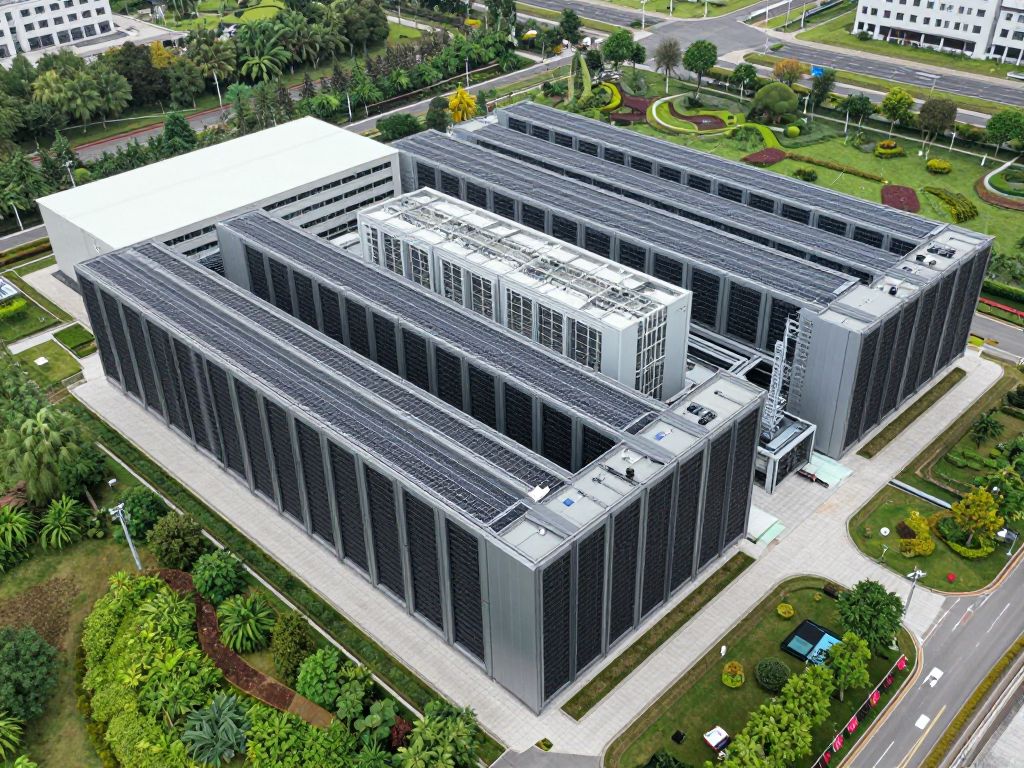
The operational demands of data centers, particularly for cooling their intricate IT equipment, necessitate significant water consumption. These facilities require immense amounts of power, and the process of keeping servers from overheating often involves water-intensive cooling systems. A typical mid-sized data center can consume as much water as a small town, while larger facilities might require up to 5 million gallons of water daily, comparable to the usage of a city with 50,000 residents.
Moreover, the water footprint extends beyond direct onsite cooling. A considerable portion of electricity consumed by data centers, nearly half in the United States, is generated by fossil fuel power plants that themselves use substantial amounts of water for cooling. The manufacturing of the microchips essential for these centers also accounts for thousands of gallons of water per chip.
Projections by the Houston Advanced Research Center (HARC) and the University of Houston indicate a significant increase in water demand from these facilities. Estimates suggest that Texas data centers could use approximately 49 billion gallons of water in 2025, potentially escalating to 399 billion gallons by 2030. This higher estimate could represent 6.6 percent of the state’s total water usage. Another HARC report indicates 25 billion gallons in 2025 (0.4% of statewide water use), potentially rising to between 29 billion and 161 billion gallons annually by 2030, or up to 10% of total statewide water demand.
The PUCT’s Proactive Study
Recognizing the confluence of rapid industrial growth and the imperative of resource stewardship, the Public Utility Commission of Texas (PUCT) has initiated a statewide survey to meticulously study the water usage of data centers and virtual currency mining facilities. This data-gathering effort is a crucial step mandated by the state legislature, designed to provide policymakers with a clear understanding of the current and projected demands on Texas’s water resources.
The PUCT, a state agency responsible for regulating Texas’s electric, water, and telecommunication utilities, will collaborate with the Texas Water Development Board and the Texas Commission on Environmental Quality. Companies operating these facilities across the state will be asked to provide detailed information on their direct and indirect water consumption within a six-week timeframe. The findings of this comprehensive study are expected to be shared with the Texas Legislature and Governor Greg Abbott by the end of 2026, informing future policy decisions.
Innovation and Responsible Resource Management
The challenge of balancing robust economic growth with environmental responsibility presents an opportunity for innovation within the private sector. The data center industry is actively exploring and implementing more water-efficient cooling technologies. These include closed-loop water systems that recirculate water, significantly reducing consumption compared to traditional evaporative methods. Immersion cooling, where servers are submerged in a non-conductive fluid, also offers high efficiency and minimal water use, though it may involve higher upfront costs.
Other strategies involve utilizing air-side economizers that harness cooler outside air, and the adoption of non-potable water sources such as recycled wastewater or captured rainwater. Furthermore, a shift towards powering data centers with renewable energy sources can help reduce the indirect water usage associated with traditional fossil fuel power generation. Some leading technology firms are even piloting and deploying zero-water evaporated cooling designs that rely on closed-loop systems, showcasing a commitment to water stewardship. For example, Microsoft has expanded its use of alternative water sources, including reclaimed and recycled water, in Texas.
This commitment to technological advancement and responsible practices by Texas TX entrepreneurs and businesses demonstrates that economic prosperity and environmental consciousness are not mutually exclusive. Thoughtful, data-driven regulatory oversight, rather than heavy-handed mandates, can encourage these innovations and foster a competitive environment where efficiency is rewarded.
Houston’s Role in the Evolving Landscape
As a major metropolitan area and a crucial hub for Houston TX business, the city stands to play a significant role in this evolving landscape. The findings from the statewide PUCT study will undoubtedly inform local discussions around development, infrastructure planning, and resource allocation. For Houston small business owners and residents, understanding these trends is vital for civic engagement and ensuring that growth benefits all community members.
The presence of data centers can stimulate local economies through construction projects, creating jobs for skilled tradespeople, and ongoing operational roles for IT specialists, maintenance staff, and security teams. These high-quality jobs contribute to increased local incomes and spur demand for a variety of secondary services. As Houston continues to attract businesses and talent, a clear understanding of resource demands, coupled with innovative solutions from the private sector, will be key to sustaining its vibrant economic trajectory.
Conclusion
The Public Utility Commission of Texas’s study into data center water usage is a timely and essential initiative, reflecting a proactive approach to managing the consequences of rapid technological expansion. By gathering comprehensive data, Texas aims to ensure that its robust economic growth, fueled by entrepreneurial spirit and private investment, proceeds in a manner that is both dynamic and sustainable. This commitment to informed decision-making and fostering an environment where innovation can address resource challenges will continue to make Texas, and particularly Houston TX business, a beacon of prosperity and responsible development. Texans are encouraged to stay informed about these important developments and continue supporting local businesses that drive both innovation and community well-being.
Frequently Asked Questions
What is the purpose of the Public Utility Commission of Texas’s study?
The Public Utility Commission of Texas (PUCT) will conduct a survey to study the water usage of data centers and virtual currency mining facilities as they expand across the state. The purpose is to gather data to better understand current and projected water demands to inform future policy decisions.
What are data centers and virtual currency mining facilities, and why do they use water?
Data centers are facilities housing interconnected computer equipment that store and process digital information. Virtual currency mining facilities use specialized computers to validate and add cryptocurrency transactions to a blockchain. Both types of facilities generate significant heat, and they primarily use water for cooling their IT equipment to prevent overheating and ensure optimal performance.
How much water do data centers currently use in Texas?
A study by the Houston Advanced Research Center (HARC) and the University of Houston estimated that data centers in Texas would use 49 billion gallons of water in 2025. This figure could potentially rise to 399 billion gallons by 2030, which might account for 6.6 percent of Texas’s total water usage. Another HARC report estimates 25 billion gallons in 2025, representing 0.4% of statewide water use, with a potential increase to between 29 billion and 161 billion gallons annually by 2030, or up to 10% of total statewide water demand.
What kind of water-efficient technologies are available for data centers?
Several water-efficient technologies exist, including closed-loop water systems that recirculate water, immersion cooling which submerges servers in non-conductive fluids, and air-side economizers that use cool outside air. Some facilities also utilize non-potable water sources like recycled wastewater or captured rainwater, and powering with renewable energy can reduce indirect water use.
When will the PUCT’s study findings be released?
The findings from the Public Utility Commission of Texas’s study are expected to be shared with the Texas Legislature and Governor Greg Abbott by the end of 2026.
Key Features of Data Center Water Usage in Texas and the PUCT Study
| Feature | Description | Scope |
|---|---|---|
| PUCT Study Focus | Water usage by data centers and virtual currency mining facilities. | State-level |
| Study Mandate | Directed by a rider to the state budget. | State-level |
| Collaborating Agencies | Public Utility Commission of Texas (PUCT), Texas Water Development Board, Texas Commission on Environmental Quality. | State-level |
| Report Deadline | Findings to be shared with Texas Legislature and Governor by end of 2026. | State-level |
| Primary Water Use | Cooling IT equipment to prevent overheating. | Nationwide |
| Estimated Texas Water Use (2025) | 49 billion gallons (HARC/UoH estimate) or 25 billion gallons (HARC estimate). | State-level |
| Projected Texas Water Use (2030) | Up to 399 billion gallons (HARC/UoH estimate) or between 29-161 billion gallons (HARC estimate). | State-level |
| Indirect Water Use | From electricity generation, especially fossil fuel power plants. | Nationwide |
| Water-Efficient Technologies | Closed-loop cooling, immersion cooling, air-side economizers, use of non-potable water, renewable energy. | Nationwide |
Deeper Dive: News & Info About This Topic
HERE Resources
Port Houston’s Project 12 Aims to Transform Maritime Economy
Local Events Celebrate Community Spirit in New Caney and Porter
Envirotech Vehicles to Acquire Azio AI for $480 Million
Houston Secures Key Role in Advancing Earth Observation
Houston Colleges Face Influenza Surge Amid Fall Semester
Houston’s Royal Signs & Awnings Expands into West Texas AI Corridor
Houston’s Winter Lights Shine Bright with Private Igloos
Diane Wilson’s Advocacy Pressures Texas Gulf Coast Industry
Top Green Building Practices Houston Homeowners Should Embrace
Dallas Businesses Prepare for Impact of New Tariffs

Author: STAFF HERE HOUSTON TX WRITER
The HOUSTON STAFF WRITER represents the experienced team at HEREHouston.com, your go-to source for actionable local news and information in Houston, Harris County, and beyond. Specializing in "news you can use," we cover essential topics like product reviews for personal and business needs, local business directories, politics, real estate trends, neighborhood insights, and state news affecting the area—with deep expertise drawn from years of dedicated reporting and strong community input, including local press releases and business updates. We deliver top reporting on high-value events such as Houston Livestock Show and Rodeo, Art Car Parade, and Chevron Houston Marathon. Our coverage extends to key organizations like the Greater Houston Partnership and Houston Area Urban League, plus leading businesses in energy and healthcare that power the local economy such as ExxonMobil, Schlumberger, and Houston Methodist. As part of the broader HERE network, including HEREAustinTX.com, HERECollegeStation.com, HEREDallas.com, and HERESanAntonio.com, we provide comprehensive, credible insights into Texas's dynamic landscape.