

How to Create a Lush Edible Landscape in Your Houston Backyard
Introduction
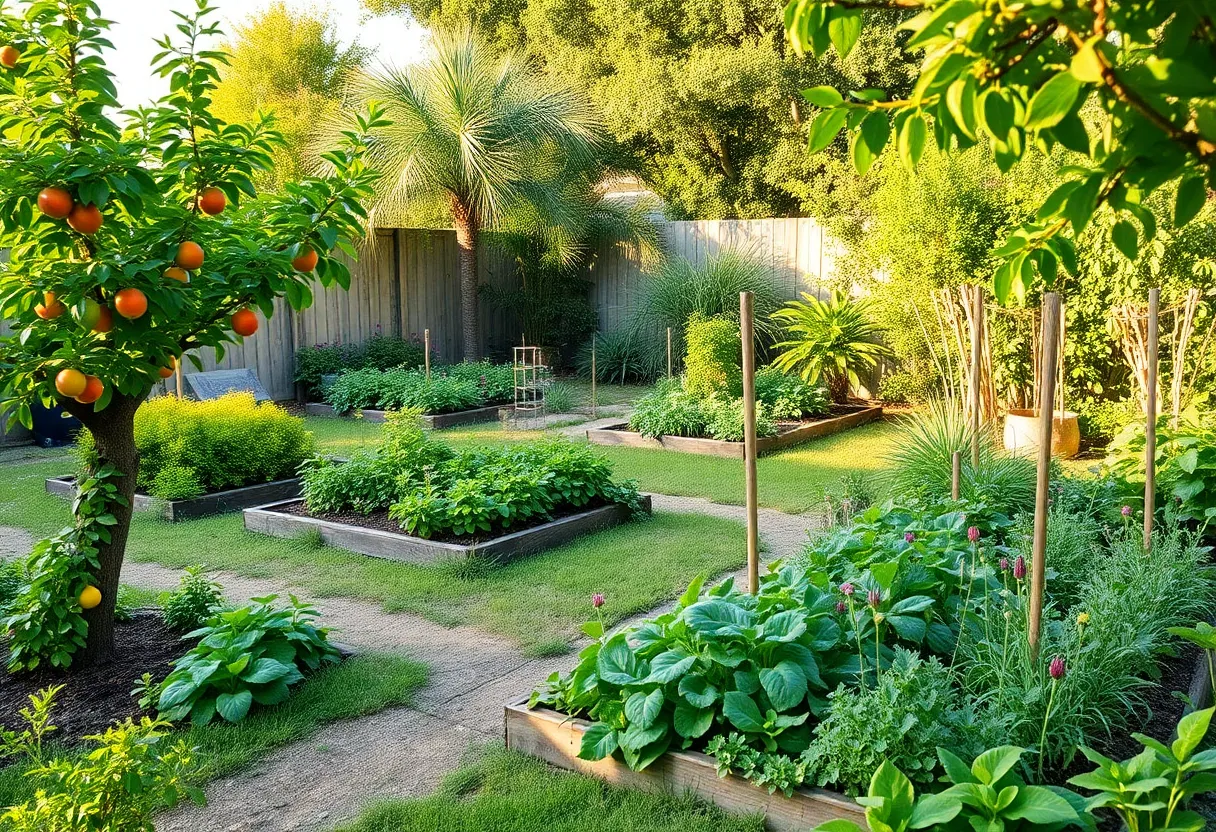
Transforming your Houston backyard into a vibrant edible landscape seamlessly combines aesthetic appeal with functional harvests. An effective design emphasizes sustainable practices, strategic plant choices, and proper maintenance to cultivate a garden that is both beautiful and productive. This approach reduces the need for external food sources and promotes ecological balance within your space.
Understanding Houston’s Climate
Houston features a humid subtropical climate characterized by hot, humid summers, mild winters, and significant rainfall. Summers often reach temperatures above 90°F, with high humidity levels that can impact plant health. Winters are generally mild, rarely dropping below freezing, but cold snaps can occur. These conditions necessitate selecting heat-tolerant and frost-resistant plants, implementing proactive watering strategies, and incorporating climate-adapted gardening techniques to ensure successful cultivation year-round.
Choosing Suitable Edible Plants
Effective plant selection is essential for a thriving edible landscape in Houston. Focus on hardy varieties that handle heat, humidity, and occasional droughts. Consider the following categories:
Fruit Trees
Opt for dwarf varieties of apples, peaches, and figs. These trees are manageable in typical Houston yards and produce abundant fruit with proper care. Ensure they are planted in well-draining soil with adequate sunlight to maximize yields.
Berry Bushes
High-yield options include blueberries and blackberries. Select pest-resistant cultivars suited for acidic soil conditions—amending your soil may be required. These bushes also offer ornamental value, especially when in blossom.
Vegetables
Cool-season crops like lettuce, kale, and spinach thrive in early spring and fall. Plant these crops in late winter or early fall to extend your harvest. For warm-season vegetables such as tomatoes, squash, beans, cucumbers, and basil, plant after the last frost date—usually mid-March. Maintaining consistent watering and mulching improves their resilience against Houston’s heat.
Herbs
Choose hardy herbs like rosemary, sage, and thyme. These herbs tolerate high temperatures and can flourish with minimal maintenance, providing fresh flavors for cooking and medicinal use.
Edible Flowers
Nasturtiums and marigolds are not only visually appealing but also edible. They can act as natural pest deterrents and attract beneficial pollinators, enhancing overall garden health.
Incorporating Native Plants
Native plants are intrinsically adapted to Houston’s environment, requiring less water, fertilizer, and pest control. They also support local wildlife, including pollinators. Incorporate these species to create a biodiverse, sustainable landscape.
Turk’s Cap (Malvaviscus arboreus var. drummondii)
This perennial is highly attractive to hummingbirds and butterflies. Its vibrant red, hibiscus-like flowers bloom from spring through fall. It tolerates sun or shade, thriving with minimal intervention.
Black-Eyed Susan (Rudbeckia hirta)
Easy to grow and resilient, this wildflower produces cheerful yellow blooms. It self-seeds reliably, ensuring continuous color with little maintenance.
Gulf Coast Muhly (Muhlenbergia capillaris)
An ornamental grass that waves in the wind, displaying pinkish-purple plumes in fall. It adds texture and movement, blending well with native and edible plants.
Designing Your Edible Landscape
Thoughtful design enhances both functionality and visual appeal. Focus on the following principles:
Layering
Arrange taller trees at the back or center, with medium shrubs and groundcovers towards the front or edges. This multi-dimensional layering creates depth and mimics natural ecosystems, making efficient use of space.
Vertical Gardening
Utilize trellises, wall-mounted planters, and vertical gardens for climbing plants like cucumbers, beans, or tomatoes. Vertical gardening conserves ground space, improves airflow, and introduces visual interest.
Companion Planting
Strategically group plants with complementary needs or benefits. For example, planting basil near tomatoes can improve flavor and ward off pests. Companion planting also enhances resource use efficiency and pest management.
Soil Preparation and Maintenance
Soil health directly influences plant vigor. Proper preparation entails:
Soil Testing
Analyze soil pH, nutrient levels, and texture. Houston soils can be heavy clay or sandy, requiring targeted amendments.
Amendments
Incorporate organic matter such as compost, aged manure, or biochar to improve fertility and soil structure. Regular additions sustain microbial activity and nutrient availability.
Mulching
Apply a 2–3 inch layer of organic mulch—wood chips, straw, or leaves—around plants. Mulch conserves moisture, suppresses weeds, and helps regulate soil temperature. Proper mulching reduces water demand and prevents erosion.
Watering Practices
Consistent, efficient watering is vital, especially during Houston’s hot summers:
Deep Watering
Water deeply, at least 6 inches into the soil, once or twice a week. Deep watering encourages strong root systems capable of withstanding drought and heat.
Morning Watering
Water early in the day to reduce evaporation, allow foliage to dry, and decrease fungal risk.
Irrigation Systems
Install drip irrigation or soaker hoses for targeted watering. These systems minimize waste, deliver water directly to roots, and are ideal for a sustainable, low-maintenance landscape.
Pest and Disease Management
Maintaining vigilant garden health reduces pest-related issues:
Regular Monitoring
Inspect plants routinely for signs of pests, such as leaf damage, holes, or discolored spots. Early detection prevents infestations from spreading.
Natural Remedies
Apply organic solutions like neem oil, insecticidal soap, or garlic spray as needed. Avoid chemical pesticides to protect beneficial insects and soil health.
Beneficial Insects
Encourage predators such as ladybugs, lacewings, and parasitic wasps. They naturally control pest populations and reduce the need for chemical interventions.
Seasonal Considerations
Adapting your landscape to Houston’s seasonal fluctuations prolongs productivity:
Cool-Season Crops
Plant early in spring and late in fall. Cool-weather crops such as lettuce, kale, and broccoli flourish during these periods.
Warm-Season Crops
Start after the last frost—typically mid-March. Tomatoes, peppers, eggplants, and squash thrive when temperatures are consistently above 60°F at night.
Winter Care
Protect sensitive plants with covers or bring potted plants indoors during cold snaps. Mulching around roots also insulates against low temperatures.
Conclusion
Creating a lush edible landscape in Houston requires careful assessment of climate, smart plant selection, landscape design, and consistent maintenance. Employing native and adapted plants enhances sustainability, while thoughtful planning maximizes space and yields. With these strategies, your backyard can become a flourishing, productive oasis offering beauty, food, and ecological benefits year-round.
Frequently Asked Questions
| Question | Answer |
|---|---|
| What are the best fruit trees for Houston? | Small, manageable varieties such as dwarf apples, peaches, and figs are ideal. They tolerate heat and can produce abundant fruit with proper care. |
| When should I plant vegetables in Houston? | Plant cool-season crops in early spring or fall. Warm-season vegetables are best planted after the last frost, usually mid-March. |
| How can I water efficiently in Houston’s climate? | Implement deep, infrequent watering early in the morning. Use drip irrigation systems to deliver targeted moisture and conserve water. |
| What native plants support edible gardening? | Species like Turk’s Cap, Black-Eyed Susan, and Gulf Coast Muhly are well-suited and support local ecosystems while adding visual interest. |
| How do I manage pests organically? | Regularly inspect plants, encourage beneficial insects, and use organic treatments like neem oil or insecticidal soap to minimize pest impact. |
Key Features of a Houston Edible Landscape
| Feature | Description |
|---|---|
| Climate Adaptation | Selection of heat-tolerant, frost-resistant plants suited to Houston’s humid subtropical climate. |
| Native & Drought-Resistant Plants | Incorporation of local species to boost sustainability and ease maintenance. |
| Layered Design | Use of vertical and horizontal layers for aesthetic appeal and efficient space use. |
| Water Efficiency | Implementation of drip irrigation, mulching, and deep watering techniques. |
| Seasonal Planning | Planting schedules aligned with Houston’s mild winters and hot summers, ensuring year-round productivity. |

Author: STAFF HERE HOUSTON TX WRITER
The HOUSTON STAFF WRITER represents the experienced team at HEREHouston.com, your go-to source for actionable local news and information in Houston, Harris County, and beyond. Specializing in "news you can use," we cover essential topics like product reviews for personal and business needs, local business directories, politics, real estate trends, neighborhood insights, and state news affecting the area—with deep expertise drawn from years of dedicated reporting and strong community input, including local press releases and business updates. We deliver top reporting on high-value events such as Houston Livestock Show and Rodeo, Art Car Parade, and Chevron Houston Marathon. Our coverage extends to key organizations like the Greater Houston Partnership and Houston Area Urban League, plus leading businesses in energy and healthcare that power the local economy such as ExxonMobil, Schlumberger, and Houston Methodist. As part of the broader HERE network, including HEREAustinTX.com, HERECollegeStation.com, HEREDallas.com, and HERESanAntonio.com, we provide comprehensive, credible insights into Texas's dynamic landscape.