
Houston, January 22, 2026
Houston is preparing for an impending Arctic blast that has triggered winter storm and extreme cold watches across Southeast Texas. With wind chills potentially dropping into the single digits and teens, residents are being urged to take proactive measures to ensure their safety and protect their homes. Emergency management officials emphasize the importance of safeguarding the ‘Four P’s’—People, Pets, Pipes, and Plants—while encouraging community vigilance as the city faces potentially hazardous weather conditions.
Houston
Houston Braces for Arctic Blast: Prepare for Winter Storm and Extreme Cold
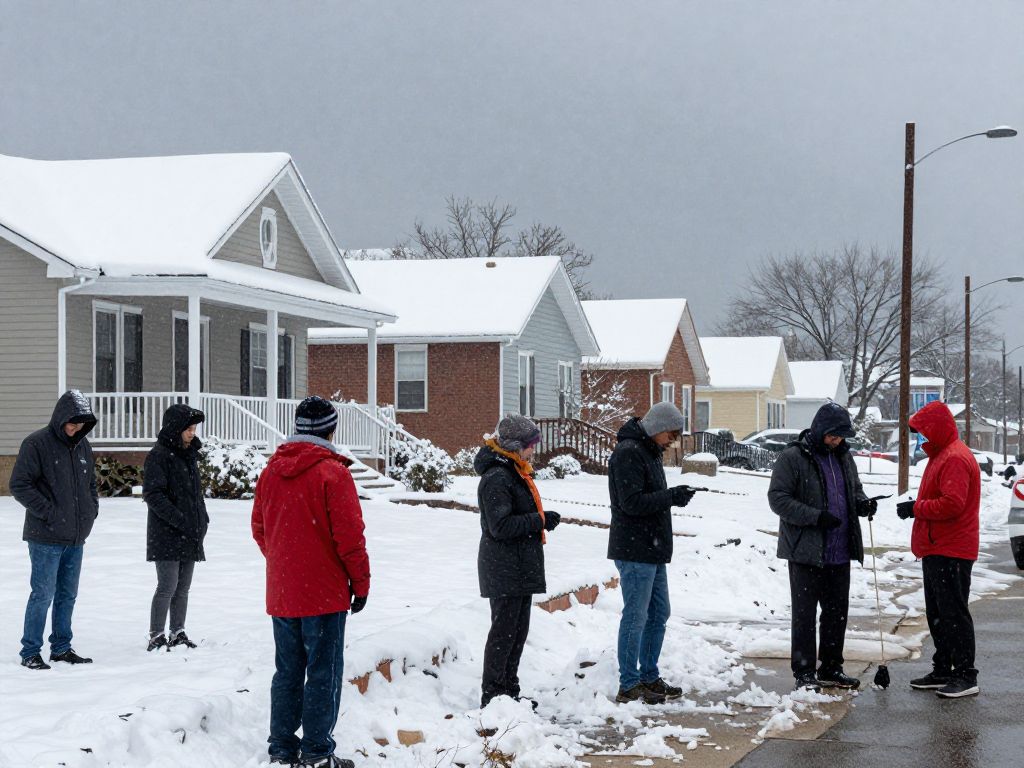
As a significant cold front approaches, Houston and much of Southeast Texas are under a winter storm watch and an extreme cold watch, signaling a period of potentially hazardous weather with wind chills possibly dropping into the single digits and teens. Now is the time for individual preparedness and community vigilance to ensure safety and minimize disruption.
Houstonians are no strangers to dynamic weather, and while major winter storms are less frequent than other meteorological events, the city’s spirit of personal initiative and neighborly care shines brightest during such times. Preparing proactively, from securing homes to checking on vulnerable neighbors, exemplifies the robust civic engagement that strengthens our local fabric. This upcoming cold snap provides an opportunity for residents to demonstrate self-reliance and community support, which are cornerstones of a thriving metropolis.
Understanding the Watches: What to Expect
A Winter Storm Watch means that conditions are favorable for a significant winter storm to occur within 12 to 48 hours. This could involve heavy snow, significant ice accumulations, or a combination of freezing rain, sleet, and snow. For Houston, this often translates to a heightened risk of ice, rather than snow. An Extreme Cold Watch is issued when dangerously cold air, with or without wind, is possible. Wind chills could potentially reach the single digits and teens across the area.
These watches are critical alerts from the National Weather Service, intended to provide ample lead time for residents to make necessary preparations.
Safeguarding Your Home: The Four P’s
During periods of extreme cold, Houston emergency management officials emphasize protecting the “Four P’s”: People, Pets, Pipes, and Plants. This approach empowers individuals to take direct action in their own households and within their immediate communities.
Protecting People
Dress in layers to stay warm, wearing a hat, a scarf or knit mask to cover the face and mouth, and water-resistant coats and boots. Limit time outdoors, especially during the coldest parts of the day. If you must be outside, take frequent breaks in warm, dry areas and avoid exertion, as cold weather can strain the heart. Ensure you have a plan for safe heating. Never use gas stoves, ovens, propane tanks, generators, or cars as indoor heat sources, as these can lead to carbon monoxide poisoning. Install and test carbon monoxide detectors with battery backups. Check on family, friends, and neighbors who may be susceptible to the cold or lack adequate heating.
Protecting Pets
Pets, especially dogs and cats, should be kept indoors during cold weather. If outdoor shelter is unavoidable, ensure it is dry, draft-free, raised off the ground, and has thick, dry bedding. Provide unlimited access to fresh, non-frozen water. Consider a coat or sweater for short-haired, young, old, ill, or thin pets. Regularly check paw pads for cracks or redness after walks and clean them to remove ice, salt, and chemicals. Feed pets a little extra, as they burn more energy to stay warm. Before starting a vehicle, check underneath and tap the hood to alert any sleeping animals.
Protecting Pipes
Frozen and burst pipes are among the most common and costly issues during a hard freeze. To prevent this, insulate outdoor pipes and hose bibs using foam pipe insulation sleeves or heat tape. Remove water hoses and drain sprinkler systems. Open cabinet doors under sinks to allow warmer indoor air to circulate to pipes, particularly those against exterior walls. While some jurisdictions recommend letting faucets drip, Houston Public Works Director Randy Macchi has advised against widespread dripping in Houston, as it can strain the city’s water distribution system. Instead, residents concerned about pipes freezing are encouraged to know the location of their main water shut-off valve and consider turning off their water and draining pipes ahead of the storm, especially if leaving their home. Sealing cracks and gaps around windows and doors also helps prevent cold air from reaching vulnerable pipes. Ensure your home is properly heated.
Protecting Plants
Bring potted plants indoors. For outdoor plants, cover them with blankets, tarps, or other protective coverings to shield them from freezing temperatures. Consider watering plants before a freeze, as moist soil retains heat better than dry soil.
Vehicle Preparedness for Winter Conditions
Personal initiative extends to preparing vehicles for the cold. A well-maintained vehicle not only ensures personal safety but also contributes to smoother traffic flow, reducing potential burdens on public services. Before the arctic blast arrives, focus on key areas:
Battery: Cold temperatures can significantly reduce battery performance, making it harder to start a vehicle. Check the battery for corrosion and loose connections, and ensure it holds a proper charge. Consider testing or replacing batteries older than 3-4 years.
Fluids: Ensure adequate levels of coolant (antifreeze) and that the mixture is balanced to prevent freezing. Cold weather can thicken engine oil, so using the manufacturer-recommended viscosity for winter conditions is important. Top off windshield washer fluid with a winter-grade formula to prevent freezing.
Tires: Monitor tire pressure regularly, as cold weather causes it to drop. Ensure sufficient tread depth for better grip on potentially slick roads.
Emergency Kit: Keep a winter emergency kit in your vehicle, including blankets, extra clothing, a flashlight with extra batteries, a first-aid kit, non-perishable food and water, jumper cables, and sand or cat litter for traction.
Fuel: Keep your gas tank at least half full to prevent fuel lines from freezing and ensure you have heat if stranded.
Visibility: Ensure all lights, wipers, and defrosters are working properly. Replace worn wiper blades.
Community Response and Personal Responsibility
While local authorities and emergency services are preparing for this event, the resilience of Houston truly lies in the collective action of its citizens. Civic innovation often stems from individuals taking personal initiative, and preparing for winter weather is a prime example. Register for local emergency alerts, such as AlertHouston, to stay informed. By proactively addressing the needs of our homes, vehicles, and most importantly, our loved ones and neighbors, we can navigate this cold front with minimal impact.
Conclusion
As Houston anticipates this winter storm and extreme cold, the emphasis remains on preparedness and mutual aid. The responsible actions taken by each household contribute significantly to the overall safety and well-being of the wider community. Let’s embrace this opportunity to demonstrate our city’s strength through preparedness, care, and collective resilience. Stay informed, stay warm, and look out for one another.
Frequently Asked Questions About Houston’s Winter Storm and Extreme Cold Watch
- What does a Winter Storm Watch mean for Houston?
- A Winter Storm Watch indicates that conditions are favorable for a significant winter storm within 12 to 48 hours, potentially bringing heavy snow, significant ice accumulations, or a combination of freezing rain, sleet, and snow to the Houston area.
- What does an Extreme Cold Watch signify?
- An Extreme Cold Watch means that dangerously cold air, with or without wind, is possible. For Houston, this could lead to wind chills in the single digits and teens.
- How should I protect my pipes in Houston during freezing temperatures?
- Insulate outdoor pipes and hose bibs using foam pipe insulation sleeves or heat tape. Remove water hoses and drain sprinkler systems. Open cabinet doors under sinks to allow warm air to reach pipes. Houston Public Works has advised against widespread dripping faucets, recommending that residents know their main water shut-off valve location and consider turning off water and draining pipes if concerned.
- What are essential items for a home emergency kit during a winter storm?
- A home emergency kit should include non-perishable food, bottled water, a first-aid kit, pet supplies, extra blankets, warm clothing, and a shovel.
- What vehicle checks are important before extreme cold?
- Key vehicle checks include ensuring the battery is charged and corrosion-free, checking antifreeze and other fluid levels, maintaining proper tire pressure and tread, and having a winter emergency kit with blankets, a flashlight, and jumper cables.
- How can I stay safe personally during extreme cold?
- Dress in multiple layers of loose clothing, including a hat, scarf, and water-resistant coat and boots. Limit outdoor exposure, avoid exertion, and never use gas stoves or ovens for heating to prevent carbon monoxide poisoning.
Key Features of Winter Storm & Extreme Cold Watch
| Feature | Winter Storm Watch | Extreme Cold Watch |
|---|---|---|
| Definition | Conditions are favorable for a significant winter storm within 12 to 48 hours. | Dangerously cold air, with or without wind, is possible. |
| Typical Precipitation | Heavy snow, significant ice accumulations, freezing rain, sleet. | No specific precipitation, focuses on temperature. |
| Expected Impact (Houston) | Increased risk of ice, rather than heavy snow. | Wind chills potentially dropping into the single digits and teens. |
| Call to Action | Prepare home, vehicles, and emergency kits. | Adjust plans to avoid prolonged outdoor exposure during coldest times. |
| Key Prep for Home | Protect pipes, plants, have emergency supplies. | Ensure proper heating, carbon monoxide detectors. |
| Key Prep for Vehicles | Check battery, fluids, tires; assemble emergency kit. | Keep gas tank at least half full. |
Deeper Dive: News & Info About This Topic
HERE Resources
Will Astros Fan Fest Brave the Chill?
10 Essential Tips for Creating a Lush Garden in Houston’s Humid Environment
Houston Faces Strong Winds and Temperature Drop
College Station Gears Up for Major 2026 Events
Texas Entrepreneurs Innovate for Emergency Power Solutions
How to Choose the Right Outdoor Features to Enhance Your Houston Home’s Appeal
Top Green Building Practices Houston Homeowners Should Embrace
Texas State Parks Celebrate the Holiday Season with Festive Events
Dallas Executives Challenge IRS Over Massive Tax Bill
Multi-Vehicle Crash Causes Major Delays on I-610 South Loop

Author: STAFF HERE HOUSTON TX WRITER
The HOUSTON STAFF WRITER represents the experienced team at HEREHouston.com, your go-to source for actionable local news and information in Houston, Harris County, and beyond. Specializing in "news you can use," we cover essential topics like product reviews for personal and business needs, local business directories, politics, real estate trends, neighborhood insights, and state news affecting the area—with deep expertise drawn from years of dedicated reporting and strong community input, including local press releases and business updates. We deliver top reporting on high-value events such as Houston Livestock Show and Rodeo, Art Car Parade, and Chevron Houston Marathon. Our coverage extends to key organizations like the Greater Houston Partnership and Houston Area Urban League, plus leading businesses in energy and healthcare that power the local economy such as ExxonMobil, Schlumberger, and Houston Methodist. As part of the broader HERE network, including HEREAustinTX.com, HERECollegeStation.com, HEREDallas.com, and HERESanAntonio.com, we provide comprehensive, credible insights into Texas's dynamic landscape.