
Houston, January 17, 2026
The Texas oyster industry, vital to the Gulf Coast economy, is grappling with harvest area closures and environmental challenges. Oystermen face a battle for survival as they navigate significant ecological pressures and regulatory hurdles. With the lively culinary heritage at stake, innovative solutions and community support become crucial for the industry’s sustainability and resilience.
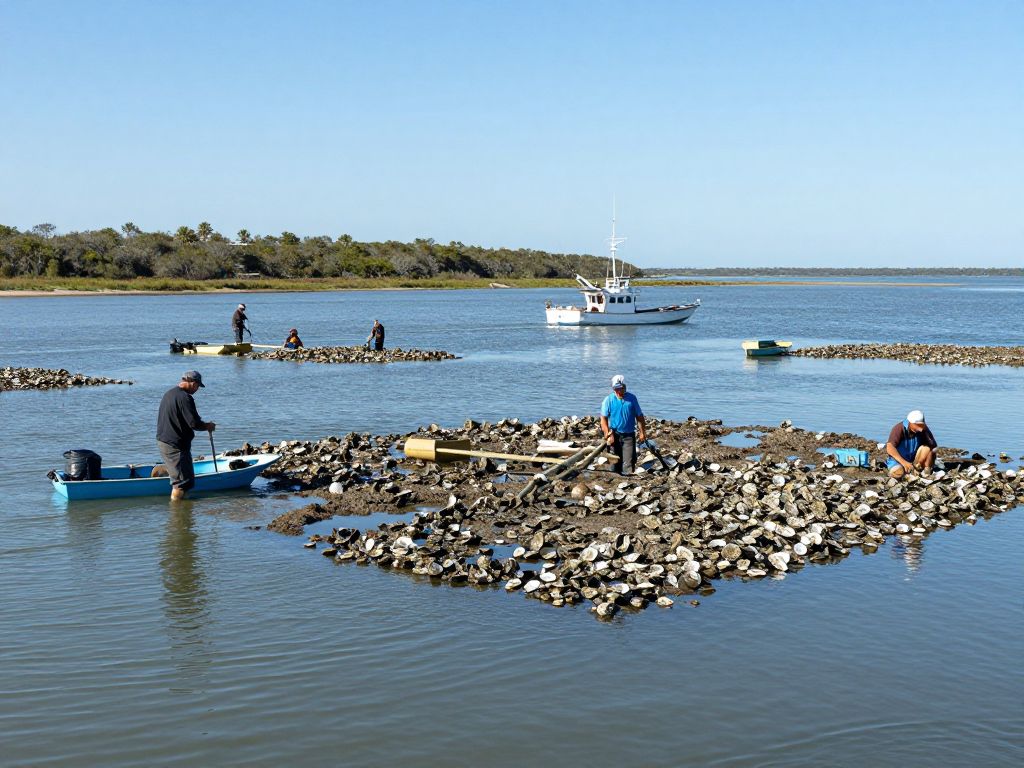
Houston, TX — The Texas oyster industry, a cornerstone of the state’s vibrant Gulf Coast economy, faces ongoing challenges with recent harvest area closures underscoring the persistent struggles for local oystermen. This latest development highlights the intricate balance between environmental conservation and economic opportunity, pushing resilient entrepreneurs to navigate a complex landscape of natural events and evolving regulations.
For generations, harvesting oysters has been more than just a profession; it’s a way of life that exemplifies the dedication and hard work characteristic of Texas TX entrepreneurs. The current situation demands innovative thinking and collaborative efforts to ensure the longevity of an industry vital to the region’s culinary heritage and local livelihoods. As Houston TX business leaders and community members observe these developments, there’s a renewed focus on supporting sustainable practices that can both protect valuable natural resources and foster economic growth.
A Legacy Under Pressure: The Oystermen’s Battle
The daily struggle for Texas oystermen is deeply personal, representing a fight for their livelihoods and the future of their careers. For individuals like Alex Gutierrez, 54, who has dedicated his life to fishing since before Adrian, these challenges strike at the heart of their family legacies and professional identities. The resilience required to endure the demanding nature of this work is a testament to the strong entrepreneurial spirit prevalent in the sector.
This struggle for local oystermen is not an isolated phenomenon; segments of the harvesting sector within the U.S. fishing industry have been in a chronically depressed state since 1960. This Nationwide condition reflects broader economic and environmental pressures that impact hardworking individuals and their small businesses across the country. The Texas oyster industry, with its rich history, embodies the determination of those who strive to maintain their operations against significant headwinds, a true example of Houston small business perseverance.
Environmental Challenges and Economic Impact
The Texas coastal area was once a top oyster producer, a testament to the abundant natural resources that have historically supported the industry. However, this productivity has been severely impacted by a series of environmental challenges. Significant drought conditions, coupled with destructive hurricanes such as Ike and Harvey, have taken a heavy toll on oyster populations and their habitats. These natural disasters often lead to habitat degradation and alter the delicate estuarine ecosystems necessary for oyster growth.
Beyond natural events, human-induced environmental concerns have also posed threats to the industry. The Deepwater Horizon oil rig blowout in 2010 created immediate threats to productive deep water and estuarial fisheries and the region’s fishing. Following such incidents, intense monitoring of the area around the wellhead continued, highlighting the ongoing vigilance required to protect sensitive marine environments. Furthermore, a landmark citizen’s lawsuit against Formosa Plastics Corporation in Seadrift, Texas, resulted in funds dedicated to environmental monitoring, clean-up, and research, underscoring the community’s role in advocating for environmental health. These incidents illustrate the complex interplay between industrial activity and natural resource preservation, a critical consideration for State-level economic policy.
Seeking Sustainable Solutions: Innovation and Partnership
In response to these persistent challenges, there is a growing focus on innovative approaches to safeguard and revitalize the Texas oyster industry. Scientists are expressing hope that experimental sustainable harvesting models will help in the recovery of oyster populations. These cutting-edge methods aim to balance the needs of the industry with ecological sustainability, ensuring that future generations can continue to benefit from this vital resource. Such initiatives often require the entrepreneurial mindset to adopt new technologies and adapt to changing environmental conditions.
These efforts are not solitary; a state agency and two other entities are actively involved in developing and implementing these experimental models. This collaboration between government, scientific communities, and private enterprise exemplifies the kind of partnership necessary for robust economic development and environmental stewardship. Moreover, the concept of building and maintaining a citizen science network with fishermen themselves highlights the potential for community involvement and shared responsibility in monitoring and protecting fisheries. Empowering local fishermen through such networks can provide invaluable data and foster a sense of collective ownership over the health of the bays.
Balancing Regulation and Economic Vitality
The ongoing struggles within the Texas oyster industry naturally bring into focus the role of regulation. While thoughtful regulations are essential for protecting fragile ecosystems and ensuring resource sustainability, an overabundance of red tape can inadvertently stifle the agility and innovation of small businesses. For Texas TX entrepreneurs in the oyster sector, clear, predictable, and limited regulatory frameworks are crucial for planning and investment.
When regulations are designed with an understanding of the industry’s operational realities and are focused on outcomes rather than overly burdensome processes, they can become tools for fostering growth rather than impediments. Striking this balance allows small businesses to innovate, adapt to new environmental realities, and contribute more effectively to Houston TX business growth. An environment that encourages private investment and entrepreneurial spirit, while responsibly managing natural resources, creates the most fertile ground for a thriving economy.
Conclusion
The Texas oyster industry stands as a powerful symbol of entrepreneurial resilience and the continuous effort to thrive amidst significant challenges. The recent harvest area closures serve as a potent reminder of the delicate ecological balance and the need for ongoing innovation and thoughtful policy. The dedication of individuals, families, and communities, combined with scientific advancements and collaborative partnerships, is crucial for navigating these complexities.
As Houston and the broader Texas economy continue to evolve, supporting our local businesses, especially those deeply rooted in our natural heritage, is paramount. We encourage readers to engage with the ongoing discussions surrounding sustainable practices and economic development. By championing responsible stewardship and entrepreneurial ingenuity, we can ensure a vibrant future for the Texas oyster industry and for all Houston small business ventures.
Frequently Asked Questions
-
What challenges does the Texas oyster industry currently face?
The Texas oyster industry faces ongoing challenges, including harvest area closures, severe environmental impacts from drought and hurricanes like Ike and Harvey, and broader issues affecting the U.S. fishing industry, which has been in a chronically depressed state since 1960.
-
How have natural disasters affected oyster production in Texas?
Natural disasters such as drought and Hurricanes Ike and Harvey have severely impacted oyster populations and harvest areas, affecting what was once a top Texas oyster producer.
-
Are there efforts to find sustainable solutions for the Texas oyster industry?
Yes, scientists are hopeful that experimental sustainable harvesting models will help in the recovery of oyster populations, with a state agency and two other entities involved in these efforts. There is also interest in building and maintaining a citizen science network with fishermen.
-
What role do oystermen play in the industry’s future?
Oystermen, like Alex Gutierrez, 54, who has been fishing since before Adrian, are fighting for their livelihoods and the future of their careers, demonstrating significant entrepreneurial resilience. Their involvement in citizen science networks can also provide valuable insights and support.
-
Have environmental incidents beyond natural disasters impacted Texas fisheries?
Yes, the Deepwater Horizon oil rig blowout in 2010 created immediate threats to productive deep water and estuarial fisheries. Additionally, a citizen’s lawsuit against Formosa Plastics Corporation in Seadrift, Texas, resulted in funds for environmental monitoring, clean-up, and research.
Key Features of the Texas Oyster Industry’s Current State
| Feature | Description | Scope |
|---|---|---|
| Ongoing Struggles | The industry is experiencing continued challenges, including new harvest area closures. | State-level |
| Livelihood Fight | Oystermen view the situation as a fight for their livelihoods and future careers. | State-level |
| Depressed State | Some segments of the U.S. harvesting sector have been in a chronically depressed state since 1960. | Nationwide |
| Environmental Impacts | Drought and Hurricanes Ike and Harvey have severely impacted oyster production. | State-level |
| Sustainable Harvesting Research | Scientists are developing experimental sustainable harvesting models for recovery. | State-level |
| Citizen Lawsuit Impact | A citizen’s lawsuit against Formosa Plastics Corporation provided funds for environmental monitoring, clean-up, and research. | State-level |
| Oil Spill Threats | The Deepwater Horizon oil rig blowout in 2010 posed immediate threats to fisheries. | Regional (Gulf Coast) |
| Community Involvement | Building citizen science networks with fishermen is seen as a way to support the industry. | Regional (Gulf Coast) |
Deeper Dive: News & Info About This Topic
HERE Resources
Diane Wilson’s Advocacy Pressures Texas Gulf Coast Industry
Houston’s Festive Food Scene: A Culinary Celebration
Pappas Restaurants Acquires On the Border Mexican Grill

Author: STAFF HERE HOUSTON TX WRITER
The HOUSTON STAFF WRITER represents the experienced team at HEREHouston.com, your go-to source for actionable local news and information in Houston, Harris County, and beyond. Specializing in "news you can use," we cover essential topics like product reviews for personal and business needs, local business directories, politics, real estate trends, neighborhood insights, and state news affecting the area—with deep expertise drawn from years of dedicated reporting and strong community input, including local press releases and business updates. We deliver top reporting on high-value events such as Houston Livestock Show and Rodeo, Art Car Parade, and Chevron Houston Marathon. Our coverage extends to key organizations like the Greater Houston Partnership and Houston Area Urban League, plus leading businesses in energy and healthcare that power the local economy such as ExxonMobil, Schlumberger, and Houston Methodist. As part of the broader HERE network, including HEREAustinTX.com, HERECollegeStation.com, HEREDallas.com, and HERESanAntonio.com, we provide comprehensive, credible insights into Texas's dynamic landscape.