
News Summary
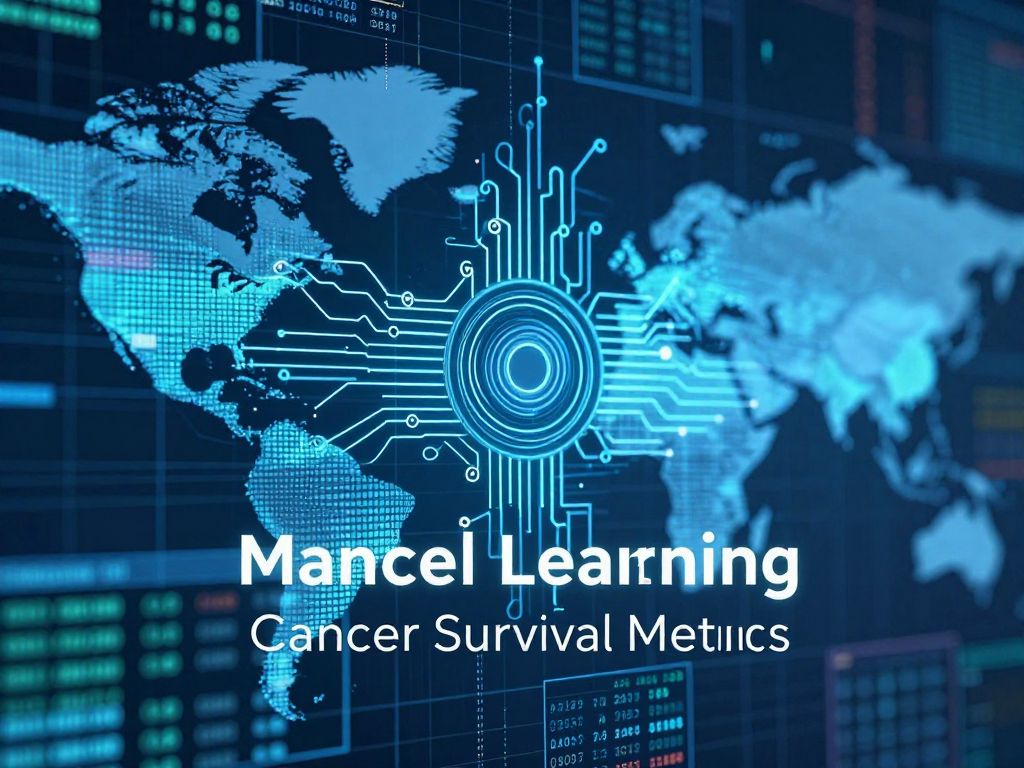
A groundbreaking machine learning tool developed by a University of Texas at Austin undergraduate analyzes global cancer survival factors. This innovative research aims to enhance cancer care strategies worldwide by identifying key drivers such as national wealth and universal health coverage. The findings, published in the Annals of Oncology, reflect the university’s commitment to academic excellence and real-world problem-solving in health sciences. This initiative highlights how student-led research can positively impact global health outcomes.
Houston, TX — The University of Texas at Austin continues to be a vibrant hub for innovation, nurturing the next generation of leaders who are already making significant impacts in critical fields. A recent development highlights this commitment to academic excellence and real-world problem-solving, as a UT Austin undergraduate student has developed a groundbreaking machine learning tool designed to identify the factors that drive cancer survival on a global scale. This initiative not only showcases exceptional student achievement but also underscores how Texas TX higher education institutions are contributing to advancements in health sciences and fostering a culture of rigorous inquiry and personal responsibility.
This achievement represents a significant stride in the realm of medical research, offering a data-driven framework that could empower nations worldwide to enhance cancer care strategies. It exemplifies the kind of disciplined academic pursuit and innovative thinking that The University of Texas encourages, preparing students to tackle complex global challenges. Such research, originating from the dedication of students and the support of top-tier educational programs, reinforces Houston’s and Texas’s position at the forefront of scientific discovery and community impact.
UT Student Unveils Global Cancer Survival Tool
Milit Patel, an undergraduate student at The University of Texas at Austin, has developed a pioneering machine learning model that identifies key factors influencing cancer survival across nearly all countries worldwide. This research culminated in a paper published in Annals of Oncology, recognized as one of the world’s most-cited cancer journals, with Patel serving as the first and corresponding author.
The online tool stemming from this research aims to provide a clear understanding of which improvements or policy changes can yield the most substantial impact on cancer survival in virtually any nation. This innovative approach underscores how student-led initiatives, supported by robust academic environments, can lead to actionable insights with far-reaching societal benefits.
Leveraging Machine Learning for Global Health Data
The methodology behind this tool involves the sophisticated application of machine learning, a form of artificial intelligence. Researchers analyzed extensive data on cancer incidence and mortality from the Global Cancer Observatory, encompassing 185 countries. Complementing this, information on health systems was gathered from reputable international organizations, including the World Health Organization, the World Bank, United Nations agencies, and the Directory of Radiotherapy Centres.
This comprehensive data integration allowed for a nuanced understanding of how various factors correlate with cancer outcomes across different national contexts. The emphasis on data-driven solutions reflects a commitment to precision and evidence-based decision-making in public health policy.
Key Drivers of Improved Cancer Outcomes Identified
Through this meticulous analysis, the machine learning model identified several crucial factors strongly associated with improved national cancer outcomes. Among these, national wealth, access to radiotherapy, and universal health coverage frequently emerged as significant levers. These findings offer a clear pathway for countries to consider when planning their cancer systems, highlighting areas where strategic investment and policy implementation can have the greatest effect on reducing cancer mortality.
The research provides a framework for nations to prioritize resources and work towards narrowing survival disparities globally, emphasizing the importance of infrastructure and equitable access to advanced medical care.
Academic Rigor and Collaborative Research
Patel, a biochemistry senior also minoring in statistics and data science, and health care reform and innovation business, credits his foundation in UT statistics and data science courses as a starting point for this endeavor. His journey highlights the value of interdisciplinary education and the cultivation of diverse skill sets within Texas TX higher education.
The project benefited from significant on-campus mentorship and opportunities, including participation in the College of Natural Sciences’ Freshman Research Initiative and an ongoing thesis project at UT’s Dell Medical School, which utilizes artificial intelligence to prioritize cancer drug candidates. These experiences fostered collaborations with leading institutions such as Memorial Sloan Kettering Cancer Center, MD Anderson Cancer Center, Massachusetts Institute of Technology, and Massachusetts General Hospital/Harvard Medical School, demonstrating the reach and impact of UT research. The study itself received funding from prominent organizations, including the National Cancer Institute, the National Heart, Lung, and Blood Institute, the Prostate Cancer Foundation, and the Swiss National Science Foundation.
Empowering Future Global Health Strategies
The development of this tool is a testament to the University of Texas’s role in cultivating students capable of groundbreaking scientific contributions. By providing a clear, data-driven framework, this research can inform policy discussions and resource allocation decisions aimed at improving cancer survival rates around the world. It exemplifies how academic freedom and personal responsibility in research can translate into tangible benefits for global public health.
This type of innovation is crucial as the global cancer burden continues to grow. Insights like these empower leaders and policymakers to make informed decisions that can reduce cancer mortality and improve patient outcomes on a broad scale.
The University’s Role in Cultivating Leadership
The University of Texas at Austin consistently provides an environment where students are encouraged to engage in meaningful research from the earliest stages of their academic careers. Programs like the Freshman Research Initiative offer undergraduates the opportunity to work alongside faculty on real-world scientific problems, fostering a strong sense of discipline and intellectual curiosity. This proactive approach to education not only equips students with invaluable research skills but also instills the leadership qualities necessary to drive future innovations and make a significant community impact. The success of this project is a shining example of how investing in student potential within Texas TX higher education yields powerful results for the greater good.
The innovation pioneered by Milit Patel showcases the profound impact of dedicated academic effort originating from institutions like The University of Texas. This tool promises to be an invaluable resource for cancer researchers and policymakers worldwide, offering a clearer path to improving survival rates globally. We encourage our readers to stay updated on the continuing advancements in UT research and other Houston TX college news by exploring university programs and engaging with campus events that celebrate academic achievements and foster community growth.
Keywords:
University of Texas TX, Houston TX college news, Texas TX higher education, UT research, cancer survival tool
Summary of Key Features and Collaborations
| Feature/Detail | Description |
|---|---|
| Developer | Milit Patel, undergraduate student at The University of Texas at Austin |
| Tool Type | Machine learning model and online tool |
| Primary Goal | Identify factors driving cancer survival across countries worldwide |
| Data Sources Used | Global Cancer Observatory, World Health Organization, World Bank, United Nations agencies, Directory of Radiotherapy Centres |
| Key Factors Identified | National wealth, access to radiotherapy, universal health coverage |
| Publication | Annals of Oncology |
| Collaborators (Institutions) | Memorial Sloan Kettering Cancer Center, MD Anderson Cancer Center, Massachusetts Institute of Technology, Massachusetts General Hospital/Harvard Medical School, National Cancer Institute |
| Funding Sources | National Cancer Institute, National Heart, Lung, and Blood Institute, Prostate Cancer Foundation, Swiss National Science Foundation |
Frequently Asked Questions
Who developed the tool to identify what drives cancer survival?
The tool was developed by Milit Patel, an undergraduate student at The University of Texas at Austin.
What does the machine learning tool identify?
The machine learning model identifies the most important drivers of cancer survival across nearly all countries worldwide.
Where was the research on this tool published?
The research paper was published in Annals of Oncology, a highly-cited cancer journal.
What are some of the key factors identified by the tool as influencing cancer survival?
Key factors identified include national wealth, access to radiotherapy, and universal health coverage.
Which institutions collaborated on this research?
Collaborating institutions included Memorial Sloan Kettering Cancer Center, MD Anderson Cancer Center, Massachusetts Institute of Technology, Massachusetts General Hospital/Harvard Medical School, and the National Cancer Institute.
Deeper Dive: News & Info About This Topic
HERE Resources
Oak Harvest Financial Group Sponsors St. Jude Houston Golf Classic
Major Advances in Cancer Care Unveiled at ASCO Conference

Author: STAFF HERE HOUSTON TX WRITER
The HOUSTON STAFF WRITER represents the experienced team at HEREHouston.com, your go-to source for actionable local news and information in Houston, Harris County, and beyond. Specializing in "news you can use," we cover essential topics like product reviews for personal and business needs, local business directories, politics, real estate trends, neighborhood insights, and state news affecting the area—with deep expertise drawn from years of dedicated reporting and strong community input, including local press releases and business updates. We deliver top reporting on high-value events such as Houston Livestock Show and Rodeo, Art Car Parade, and Chevron Houston Marathon. Our coverage extends to key organizations like the Greater Houston Partnership and Houston Area Urban League, plus leading businesses in energy and healthcare that power the local economy such as ExxonMobil, Schlumberger, and Houston Methodist. As part of the broader HERE network, including HEREAustinTX.com, HERECollegeStation.com, HEREDallas.com, and HERESanAntonio.com, we provide comprehensive, credible insights into Texas's dynamic landscape.