

News Summary
The University of Texas undergoes significant changes as ten offensive players enter the NCAA transfer portal following the conclusion of the college football season. This trend highlights the evolving landscape of collegiate athletics, where student-athletes seek new opportunities aligned with their aspirations, prompting universities to adapt their recruitment and retention strategies. The successful navigation of this transfer portal by institutions requires a focus on maintaining competitive athletic programs while ensuring academic and personal development for student-athletes, ultimately shaping the future of college football.
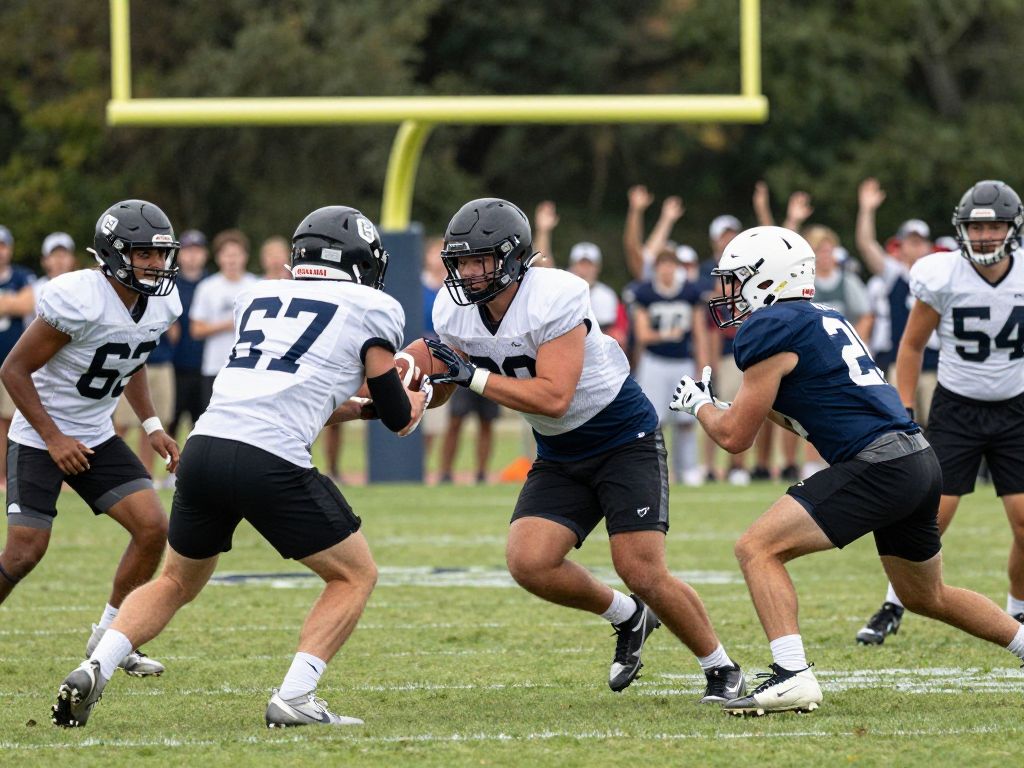
Houston, TX — The landscape of collegiate football continues to evolve, presenting both opportunities and challenges for student-athletes and institutions alike. As the 2025 college football season concluded, the University of Texas experienced a notable shift in its offensive roster, with ten players electing to enter the NCAA transfer portal. This development underscores the dynamic nature of modern college athletics, where individual aspirations and team strategies constantly adapt to a flexible movement system for student-athletes.
For higher education institutions across Texas and the nation, navigating the transfer portal demands a commitment to fostering environments that balance athletic competitiveness with academic integrity and personal development. The decisions made by student-athletes, often driven by a quest for increased playing time, a better academic fit, or professional aspirations, highlight the importance of discipline and personal responsibility in their educational and athletic journeys. The University of Texas, like many premier programs, continues to refine its approach to recruitment, retention, and player development in this new era.
Texas Football: Offensive Transfers Shape Future Rosters
The conclusion of the 2025 college football season marked a significant period for many programs, including the University of Texas. The opening of the transfer portal, a centralized database facilitating student-athlete movement, saw a reported ten offensive players from the Longhorns’ roster choose to explore new opportunities. This phenomenon is a common occurrence in contemporary college football, reflecting a system designed to provide student-athletes with greater agency over their careers. The ongoing evolution of transfer rules by the NCAA allows academically eligible athletes to transfer multiple times, provided they adhere to designated transfer windows.
Understanding the Modern Transfer Portal Landscape
The NCAA transfer portal, launched in 2018, was created to enhance transparency in the transfer process, enabling student-athletes to openly express their desire to move to a different institution. Since its inception, the rules governing transfers have significantly evolved, particularly with landmark changes in 2024 that eliminated restrictions on the number of times academically eligible student-athletes can transfer. This shift has created a more fluid environment for collegiate athletes, though they must still meet academic eligibility requirements and enter the portal within specific timeframes.
For Division I football, the transfer windows have been streamlined, with a primary winter window following the regular season. This structure aims to balance student-athlete flexibility with the need for roster stability for coaching staffs. The decision to enter the portal is often complex, influenced by various factors such as seeking more playing time, adjusting to coaching changes, pursuing specific academic programs, or evaluating professional opportunities, including those related to Name, Image, and Likeness (NIL) collectives.
Impact on Program Strategy and Roster Development
For collegiate football programs, including the University of Texas, the transfer portal necessitates a dynamic and strategic approach to roster management. Coaches and athletic departments now continuously assess talent, focusing on both recruiting new high school prospects and evaluating potential transfers, while also prioritizing the retention of their current athletes. This requires a commitment to building a robust team culture and providing an environment where student-athletes can thrive both athletically and academically. While the portal can introduce elements of roster instability, successful programs adapt by implementing comprehensive development plans and fostering strong relationships with their student-athletes.
The departure of ten offensive players from Texas’s football program presents an opportunity for strategic realignment and the development of emerging talent. It allows the coaching staff to bring in new recruits who align with the team’s evolving vision and offers existing players the chance to step into more prominent roles, demonstrating resilience and leadership. The ability to effectively integrate new talent while developing the existing roster is a hallmark of strong collegiate athletic programs that are committed to sustained excellence.
Academic and Holistic Student-Athlete Support
Central to the student-athlete experience, regardless of transfer decisions, is robust academic support. Universities play a critical role in ensuring that athletes maintain academic eligibility and progress toward graduation. This includes comprehensive academic advising, resources for seamless credit transfers, and tailored support services to help students balance their rigorous athletic and academic schedules.
For those considering a transfer, the emphasis on academic freedom allows student-athletes to seek institutions that best align with their chosen fields of study or offer specialized academic programs. Institutions are increasingly focused on providing holistic support that extends beyond the field, encompassing personal well-being, career development, and leadership training, recognizing that the skills learned in collegiate athletics prepare students for lifelong success.
Cultivating Leadership and Community Impact through Sport
Collegiate athletics, even amidst the fluidity of the transfer portal, remains a powerful platform for building leadership and fostering community impact. The decisions student-athletes make, whether to stay or transfer, require considerable personal responsibility, self-assessment, and strategic planning—qualities that are essential for future leaders.
The success of university athletic programs not only brings recognition to the institution but also strengthens community bonds and inspires local engagement. By investing in student-athletes’ holistic development—emphasizing discipline, academic achievement, and ethical conduct—universities contribute significantly to the educational and economic ecosystem of Texas. The evolving nature of college football and player movement underscores the ongoing commitment required to support student-athletes in becoming well-rounded individuals and impactful members of society.
The recent offensive transfers from the University of Texas football team highlight the adaptive strategies employed by top-tier programs in today’s collegiate sports environment. This period of transition provides an opportunity for both the institution and its student-athletes to demonstrate resilience, strategic foresight, and a continued commitment to excellence in academics and athletics. As the landscape of college sports continues to evolve, Houston’s higher education community remains dedicated to nurturing the next generation of leaders and contributing to the vibrancy of Texas.
Key Transfer Portal Dynamics in College Football
| Aspect | Description |
|---|---|
| Purpose | Database for student-athletes to publicly declare intent to transfer, increasing transparency. |
| Eligibility | Academically eligible student-athletes can transfer multiple times without penalty, adhering to specific transfer windows. |
| Transfer Windows | Designated periods for athletes to enter the portal, which have become shorter and more specific, particularly for Division I football. |
| Common Reasons for Transfer | Limited playing time, coaching conflicts, seeking professional opportunities, better NIL deals, desire for a fresh start, academic considerations. |
| Institutional Impact | Requires dynamic roster management, strategic recruitment (high school and transfers), and strong player retention efforts by athletic programs. |
| Academic Support | Universities prioritize advising, seamless credit transfers, and holistic support to ensure academic success and degree progression for transferring student-athletes. |
Keywords: University of Texas TX, Houston TX college news, Texas TX higher education, UT football transfers, college athletics development
Frequently Asked Questions About College Football Transfers
- What is the NCAA transfer portal?
- The NCAA transfer portal is an NCAA-wide database, application, and compliance tool that facilitates student-athletes’ transfers between member institutions. It is intended to bring greater transparency to the transfer process and allow student-athletes to publicize their desire to transfer.
- Why do college football players enter the transfer portal?
- College football players enter the transfer portal for various reasons, including seeking more playing time, experiencing coaching conflicts, pursuing professional aspirations, exploring better financial opportunities through NIL deals, desiring a fresh start, or needing a better academic fit.
- How have NCAA transfer rules changed recently?
- In 2024, the NCAA enacted a rule eliminating restrictions on the number of times academically eligible student-athletes can transfer during their college careers. This means athletes can now transfer multiple times without losing eligibility, if they maintain good academic standing and enter the portal within their sport’s designated windows.
- What is the impact of the transfer portal on college football programs?
- The transfer portal significantly impacts college football programs by requiring dynamic roster management, strategic recruitment of both high school athletes and transfers, and focused efforts on player retention. While it can introduce instability, successful programs adapt by fostering strong team cultures and providing comprehensive development plans.
- What academic support is available for student-athletes who transfer?
- Higher education institutions prioritize academic advising and support for transferring student-athletes. This includes ensuring seamless credit transfers, guiding athletes toward timely graduation, introducing mandatory orientation sessions, and establishing partnerships between athletic departments and academic advisors.
Deeper Dive: News & Info About This Topic
HERE Resources
Cougars Prepare for Transfer Portal Challenges and Changes
Texas Longhorns Embrace Transfer Portal Dynamics
Houston High School Football Players Recognized Nationally
University of Houston Soccer Welcomes Defender Kendall Jones
Houston Talent Powers Aggies’ Volleyball Success
University of Houston Soccer Welcomes New Forward Jada Arthurs
University of Houston Defensive Coordinator Nominated for Broyles Award
University of Houston Athletics Celebrates Record Graduation Success Rate
Cougars and Owls Set for Bayou Bucket Showdown
University of Houston Enhances TDECU Stadium for Football Fans

Author: STAFF HERE HOUSTON TX WRITER
The HOUSTON STAFF WRITER represents the experienced team at HEREHouston.com, your go-to source for actionable local news and information in Houston, Harris County, and beyond. Specializing in "news you can use," we cover essential topics like product reviews for personal and business needs, local business directories, politics, real estate trends, neighborhood insights, and state news affecting the area—with deep expertise drawn from years of dedicated reporting and strong community input, including local press releases and business updates. We deliver top reporting on high-value events such as Houston Livestock Show and Rodeo, Art Car Parade, and Chevron Houston Marathon. Our coverage extends to key organizations like the Greater Houston Partnership and Houston Area Urban League, plus leading businesses in energy and healthcare that power the local economy such as ExxonMobil, Schlumberger, and Houston Methodist. As part of the broader HERE network, including HEREAustinTX.com, HERECollegeStation.com, HEREDallas.com, and HERESanAntonio.com, we provide comprehensive, credible insights into Texas's dynamic landscape.