

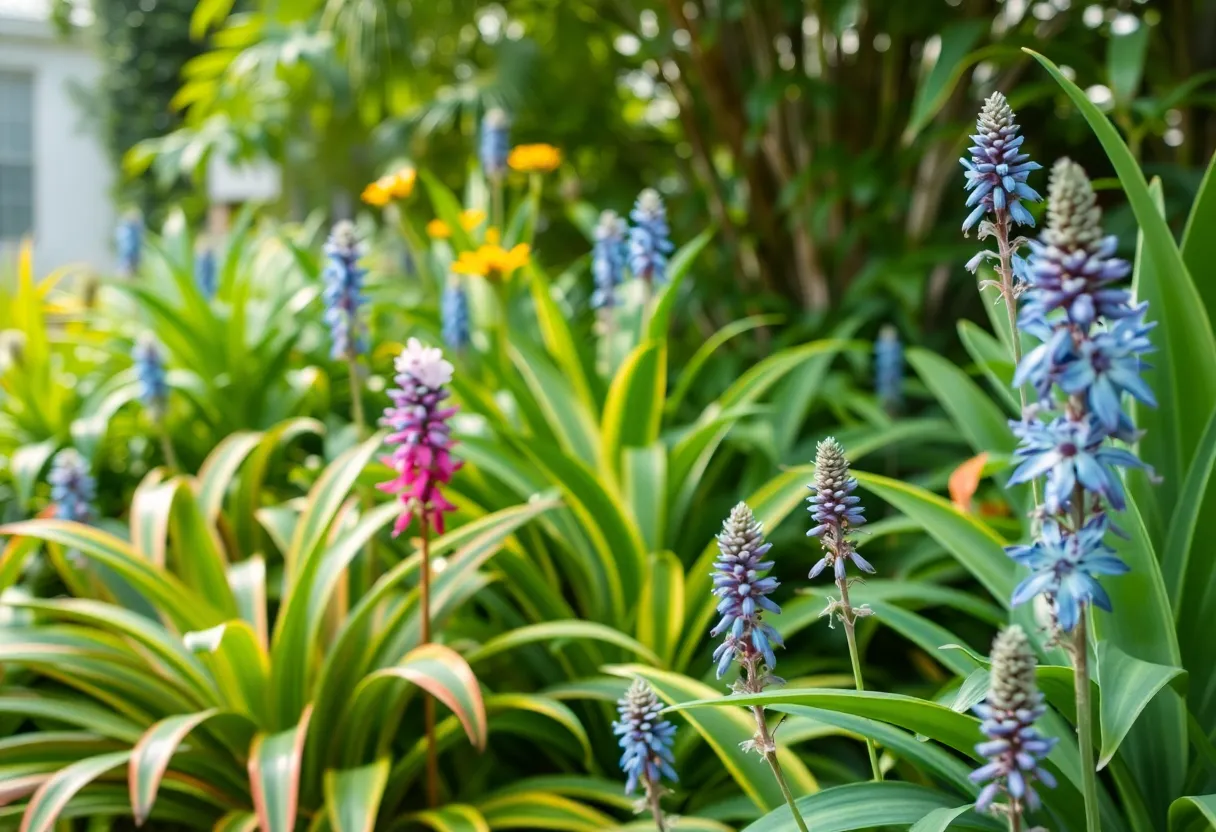
10 Essential Tips for Creating a Lush Garden in Houston’s Humid Environment
Houston’s humid climate offers both opportunities and challenges for gardeners aiming to cultivate vibrant, thriving landscapes. The elevated moisture levels foster lush foliage and bold blooms but also create conditions conducive to fungal diseases, root rot, and pest issues. A strategic approach is essential to maximize beauty while minimizing problems. Below are ten critical tips rooted in scientific understanding and best practices to help you develop a resilient, lush garden suited specifically for Houston’s environment.
1. Select Humidity-Tolerant Plants
The foundation of a successful Houston garden is choosing plants adapted to high humidity. Native and heat-tolerant species thrive with less stress and lower maintenance. Focus on varieties known for their resilience in moist, warm conditions:
- Spider Plant (Chlorophytum comosum): Exceptionally tolerant of humidity, drought, and neglect. Its arching leaves and hanging form make it ideal for shaded areas or containers.
- Blue Daze (Evolvulus glomeratus): A native groundcover that tolerates full sun and heat, producing striking blue flowers that attract butterflies. Its drought and humidity tolerance make it ideal for Houston gardens.
- Mexican Heather (Cuphea hyssopifolia): An evergreen shrub offering year-round color. It flourishes under humid conditions and responds well to pruning.
- Snapdragons (Antirrhinum majus): Best cultivated in cooler months, experiencing robust growth in fall and winter. They add vertical interest with colorful spikes and are resistant to Houston’s humidity during cooler seasons.
2. Implement Effective Watering Practices
In high humidity, managing moisture levels prevents root disease and promotes healthy growth. Proper watering techniques are crucial:
- Water in the morning: Early watering ensures excess moisture evaporates during the day, reducing fungal proliferation on foliage and soil surface.
- Utilize drip irrigation systems: These deliver water directly to the plant roots, minimizing surface runoff and humidity buildup around foliage.
- Prevent overwatering: Well-draining soil is critical. Excess water can lead to waterlogged roots, a primary factor in root rot and fungal pathogens common in Houston’s climate.
3. Apply Organic Mulch Effectively
Mulching offers multiple benefits vital in Houston’s humid environment:
- Moisture conservation: Organic mulch reduces water evaporation, promoting consistent soil moisture levels. This minimizes the need for frequent irrigation.
- Temperature regulation: Mulch insulates plant roots against temperature fluctuations, preventing heat stress during Houston summers.
- Weed suppression: Mulch prevents weeds that compete for water and nutrients, reducing maintenance and disease risks.
Apply a 2 to 4-inch layer of shredded organic material—such as leaf mold, bark, or straw—around plant bases. Keep mulch a few inches away from plant stems to prevent fungal infections.
4. Ensure Proper Drainage
Excellent drainage is non-negotiable for thriving plants in Houston’s climate:
- Construct raised beds or mounds: Elevate plant roots to avoid standing water, especially after heavy rains.
- Choose well-draining soil mixes: Incorporate organic matter—such as compost and coarse sand—to improve soil porosity and water flow.
- Maintain adequate spacing: Avoid crowding plants, which reduces airflow and increases humidity around leaves and stems, fostering diseases.
5. Provide Shade During Peak Heat
The intense Houston sun can cause significant stress during summer months. Strategic shading mitigates this:
- Install shade cloths: Use 30–50% density UV-protected shade cloths to shield plants during midday hours, especially for shade-sensitive species.
- Leverage natural shade: Position plants under taller trees or structures. Use pergolas, lattice, or existing buildings to provide filtered light.
6. Practice Companion Planting
Thoughtful plant combinations can improve growth conditions and pest control:
- Tall plants for shade: Use sunflowers, corn, or other tall species to cast shade on smaller, heat-sensitive plants, reducing heat stress.
- Pest-repellent pairs: Plant marigolds near vegetables or susceptible ornamentals. Certain plants naturally deter pests, reducing chemical dependence.
7. Regular Monitoring for Pests and Diseases
Vigilance is critical in humid environments, where pests and fungal diseases can spread rapidly:
- Perform consistent inspections: Look for early signs such as discolored foliage, spots, or insect activity.
- Use organic controls: Introduce beneficial insects, such as ladybugs, or apply organic pesticides judiciously when infestations are detected.
- Maintain cleanliness: Remove fallen leaves, debris, and diseased plant material to eliminate breeding grounds for pests and pathogens.
8. Fertilize with Care
Optimal fertilization ensures robust, healthy plants while avoiding excessive growth that can lead to vulnerabilities:
- Use slow-release fertilizers: These supply nutrients gradually, reducing leaching and runoff, which are common issues in Houston’s rain-heavy climate.
- Incorporate organic matter: Compost and organic fertilizers enrich soil health, improve drainage, and bolster plant resilience against environmental stresses.
- Follow recommended application rates: Over-fertilizing can cause weakness and disease susceptibility. Adhere strictly to labeling instructions.
9. Prune Regularly for Vitality and Airflow
Consistent pruning keeps plants healthy in humid conditions:
- Remove dead, diseased, or damaged tissue: Prevents fungal infections and encourages new growth.
- Shape and maintain: Proper pruning maintains desired size and form, ensures adequate light penetration, and improves overall air circulation.
- Encourage airflow: Thinning dense foliage reduces humidity buildup around leaves, curbing fungal propagation.
10. Adapt Practices with Seasonal Changes
Houston’s climate varies significantly across seasons. Flexibility enhances success:
- Monitor weather patterns: Adjust watering, shading, and plant choices based on temperature and humidity fluctuations.
- Implement seasonal planting: Select native or adapted varieties suitable for spring, summer, fall, or winter to maximize growth potential.
- Protect during extremes: Use covers, windbreaks, or move plants indoors during storms, freezes, or heatwaves to reduce damage.
Conclusion
Creating a lush garden in Houston’s humid environment requires a tailored approach. Prioritize plant selection, proper watering, soil management, and adequate shading. Regular monitoring, disciplined pruning, and seasonal adaptability underpin long-term success. By adhering to these strategies, gardeners can cultivate landscapes that are not only resilient but also visually stunning and ecologically sustainable.
Frequently Asked Questions
What are the best plants for humidity in Houston?
Plants such as Spider Plants, Blue Daze, Mexican Heather, and Snapdragons adapt well to Houston’s high humidity and heat. Native and drought-tolerant species perform best with minimal stress.
How often should I water in Houston’s humid climate?
Watering in the early morning is ideal. Use drip irrigation for precise delivery, and avoid overwatering by ensuring the soil drains well. Frequency depends on plant type and weather conditions but generally reduces watering during rainy seasons.
How can I prevent fungal diseases in a humid garden?
Promote good air circulation through pruning and spacing, avoid watering foliage, and apply organic fungicides when necessary. Maintaining dry foliage and removing debris minimizes fungal outbreaks.
What soil amendments improve drainage?
Incorporate organic matter like compost, coarse sand, or perlite into native soil. These amendments improve porosity, reduce water retention, and enhance root health in Houston’s heavy rainfall conditions.
How do I protect my plants during Houston’s hot summers?
Use shade cloths during peak heat, plant taller species for natural shade, and water early in the day to maintain soil moisture. Mulching helps insulate roots, reducing heat stress.
Key Features of Creating a Lush Garden in Houston’s Humid Environment
| Feature | Details |
|---|---|
| Plant Selection | Native, heat-tolerant, and humidity-adapted plants like Spider Plant, Blue Daze, Mexican Heather, Snapdragons. |
| Watering Technique | Early morning watering with drip systems; avoid overwatering and ensure well-draining soil. |
| Soil Management | Use organic mulches and soil amendments like compost and coarse sand for drainage and moisture retention. |
| Shade and Cover | Shade cloths, natural shade, and strategic positioning to mitigate heat stress. |
| Maintenance | Regular pruning, pest monitoring, and seasonal adjustments enhance plant health and resilience. |

Author: STAFF HERE HOUSTON TX WRITER
The HOUSTON STAFF WRITER represents the experienced team at HEREHouston.com, your go-to source for actionable local news and information in Houston, Harris County, and beyond. Specializing in "news you can use," we cover essential topics like product reviews for personal and business needs, local business directories, politics, real estate trends, neighborhood insights, and state news affecting the area—with deep expertise drawn from years of dedicated reporting and strong community input, including local press releases and business updates. We deliver top reporting on high-value events such as Houston Livestock Show and Rodeo, Art Car Parade, and Chevron Houston Marathon. Our coverage extends to key organizations like the Greater Houston Partnership and Houston Area Urban League, plus leading businesses in energy and healthcare that power the local economy such as ExxonMobil, Schlumberger, and Houston Methodist. As part of the broader HERE network, including HEREAustinTX.com, HERECollegeStation.com, HEREDallas.com, and HERESanAntonio.com, we provide comprehensive, credible insights into Texas's dynamic landscape.