
News Summary
The University of Texas at Austin is pioneering a movement in sustainable fashion through innovative academic programs and research on eco-friendly textiles. By offering a curriculum that combines science with design, UT Austin prepares students to tackle global environmental challenges in the fashion industry. Its ‘Particles of Color’ exhibit showcases research on sustainable sequins made from compostable materials, fostering leadership in responsible fashion practices. These initiatives not only enhance academic excellence but also promote community engagement and responsible consumption.
Houston, TX — The University of Texas at Austin is at the forefront of a significant movement in higher education and industry, actively redefining the future of fashion to prioritize sustainability and responsibility. Through pioneering research and innovative academic programs, UT Austin is demonstrating how scientific discipline and creative innovation can address global challenges, fostering leadership and positively impacting both the community and the broader Texas economic landscape. This commitment is particularly evident in the university’s cutting-edge work on sustainable textiles and apparel, aiming to mitigate the environmental footprint of the fashion industry.
The institution’s dedication to academic freedom and personal responsibility shines through initiatives that encourage students and faculty to explore and develop solutions for a cleaner, more ethical future in fashion. By integrating rigorous scientific inquiry with design principles, UT Austin is equipping the next generation of leaders with the knowledge and skills necessary to drive meaningful change. This holistic approach ensures that educational pursuits extend beyond theoretical learning, translating into tangible advancements with real-world applications for the benefit of all.
Innovation in Sustainable Materials: The “Particles of Color” Exhibit
At the heart of UT Austin’s sustainable fashion endeavors is the development of innovative, eco-friendly materials. A prime example is the research into plant-based, compostable, and non-toxic sequins, spearheaded by Dr. Jessica Ciarla, an Associate Professor of Instruction in the Division of Textiles and Apparel within the College of Natural Sciences. This groundbreaking research, which originated with a President’s Award for Global Learning and later received an NSF I-CORPS grant, represents a disciplined approach to addressing significant environmental concerns within the fashion industry. The collaborative effort involves faculty and students from the Division of Textiles and Apparel and the McKetta Department of Chemical Engineering, including Associate Professor Nathaniel Lynd and Associate Professor Luisa Gil Fandino, highlighting the interdisciplinary nature of this scientific innovation. These sustainable sequins, made from polylactic acid derived from agricultural waste and combined with natural, non-toxic dyes, offer a viable alternative to petroleum-based embellishments that contribute to plastic pollution.
Showcasing Research at the Texas Science & Natural History Museum
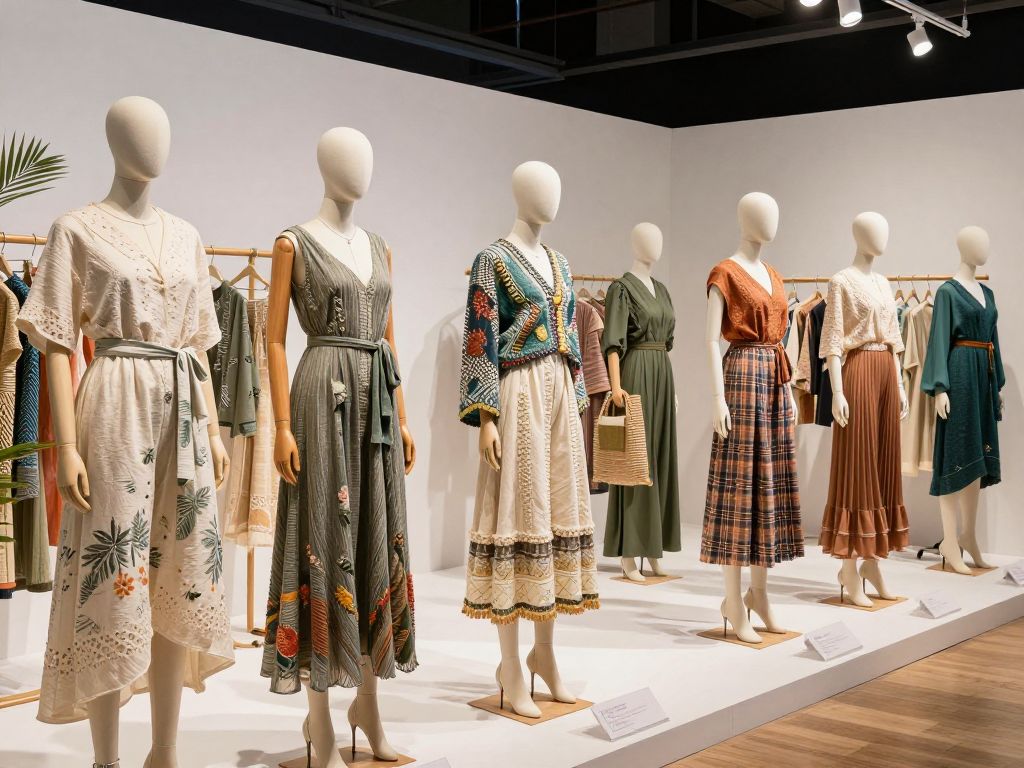
The practical application and aesthetic potential of this research are currently on display at the Texas Science & Natural History Museum in Austin. The “Particles of Color: Where Science Meets Fashion” exhibit, which opened in April 2024 and continues through 2025, immerses visitors in the intersection of science and fashion. Directed by Dr. Jessica Ciarla with creative consultation from Assistant Professor Gail Chovan, the exhibit features over 50 objects adorned with more than 10,000 sustainable sequins. It is housed in the fourth-floor Science Frontiers Gallery, a space dedicated to showcasing new research from the College of Natural Sciences that positively impacts the natural world. The exhibit serves as an important educational platform, informing visitors of all ages about the importance of sustainable fashion and innovative materials for a cleaner future for both the industry and the planet. The museum itself reopened in September 2023 following extensive renovations, marking “Particles of Color” as a key new attraction.
Academic Excellence and Experiential Learning
UT Austin’s commitment to sustainable fashion extends deeply into its academic offerings, providing students with unique opportunities for growth and leadership. The Department of Textiles and Apparel offers a curriculum rooted in science-based and experiential education, preparing students to become future leaders in the industry. Courses integrate practical skills, such as using CLO 3D technology for garment design, pattern drafting, and construction, allowing students to bring their creative visions to life with precision and efficiency. Students also gain hands-on experience through projects like “The Bodice Brigade” and archival exhibitions presented by those in Historic Apparel Collection & Exhibit Management. The Freshman Research Initiative includes a “Sustainable Fashion Materials” stream, where students engage in exploratory research to develop bio-textile samples and prototypes, directly contributing to material innovation. This early exposure to cutting-edge research cultivates a strong foundation in scientific inquiry and problem-solving.
Global Perspectives on Sustainable Fashion
Expanding students’ horizons beyond the Austin campus, UT Austin offers a May Term Abroad program focused on sustainable fashion in Copenhagen, Denmark. This program, led by Dr. Jessica Ciarla, provides an immersive experience where students meet with industry professionals, participate in workshops, and engage in discussions with academic and industry experts. The curriculum delves into topics such as slow and fast fashion, innovative materials, and new design processes, encouraging an interdisciplinary and collaborative learning environment open to students from all colleges and backgrounds. Such international experiences are vital for developing a global perspective on sustainability challenges and solutions, reinforcing the importance of responsible citizenship in a globalized industry.
Fostering Responsible Consumption and Community Impact
Beyond formal coursework and research, UT Austin actively promotes responsible consumption and community engagement among its students. Initiatives like “Trash to Treasure” exemplify student-led efforts to combat the issues of fast fashion and overconsumption. This program organizes clothing swaps and thrift sales, diverting thousands of pounds of textiles from landfills and providing affordable, sustainable clothing options for the campus community. Furthermore, the UT Outpost offers professional attire to students, underscoring the university’s commitment to practical support while encouraging a culture of reuse and resourcefulness. These programs not only address environmental concerns but also foster a sense of community and personal responsibility, encouraging students to make conscious choices that benefit both themselves and the planet. The fashion industry’s impact on local communities is significant, with sustainable practices contributing to fair wages, safe working conditions, and economic stability. UT Austin’s efforts align with the broader goal of empowering local economies and minimizing the environmental damage caused by traditional fashion practices.
Funding Sustainable Innovation
The advancement of sustainable fashion research and initiatives at UT Austin is supported through various funding mechanisms that underscore a commitment to long-term impact. Key research, such as the development of sustainable sequins, has benefited from prestigious grants like the President’s Award for Global Learning and the NSF I-CORPS grant. Additionally, the university’s Green Fund plays a crucial role in supporting sustainability-related projects across campus. Funded by UT Austin tuition fees, with each student contributing $5 per semester, the Green Fund is a competitive grant program that has allocated nearly $5 million to over 200 projects since its inception in 2010. This student-supported fund exemplifies how collective responsibility can directly fuel academic and environmental innovation. Beyond internal university funding, ethical fashion and sustainable textile initiatives can also access support from government grants, private foundations, non-profit organizations, and corporate social responsibility programs, highlighting a diverse ecosystem of support for this critical field.
UT Austin’s relentless pursuit of innovation in sustainable fashion exemplifies how higher education can lead with purpose and impact. By integrating rigorous scientific research, experiential learning, and community engagement, the university is not only developing practical solutions for a pressing global issue but also cultivating a generation of disciplined, responsible leaders. This holistic approach reinforces the notion that academic freedom, when coupled with a commitment to societal well-being, drives both institutional excellence and substantial community benefits. Readers are encouraged to explore the cutting-edge programs offered by the Division of Textiles and Apparel, visit the “Particles of Color” exhibit at the Texas Science & Natural History Museum, and stay informed about how Texas TX higher education continues to shape a more sustainable and responsible future for the fashion industry and beyond. This ongoing work ensures that Houston TX college news frequently highlights the profound impact of UT research on global challenges, fostering leadership and community impact within the broader University of Texas TX system.
| Aspect | Description | Leadership/Involvement |
|---|---|---|
| Primary Research Area | Development of plant-based, compostable, non-toxic sequins (polylactic acid from agricultural waste, natural dyes). | Dr. Jessica Ciarla (Textiles & Apparel), Nathaniel Lynd (Chemical Engineering), Luisa Gil Fandino (Textiles & Apparel) |
| Public Exhibition | “Particles of Color: Where Science Meets Fashion” at Texas Science & Natural History Museum (April 2024 – 2025). Features over 50 objects with 10,000+ sustainable sequins. | Directed by Dr. Jessica Ciarla, creative consultation by Gail Chovan (Textiles & Apparel) |
| Academic Programs | Science-based, experiential education in Textiles and Apparel; CLO 3D technology in courses; Freshman Research Initiative (Sustainable Fashion Materials stream). | Department of Textiles and Apparel, College of Natural Sciences |
| Global Learning | May Term Abroad: Sustainable Fashion in Copenhagen, Denmark (industry visits, workshops, expert discussions). | Dr. Jessica Ciarla (Textiles & Apparel) |
| Student Initiatives | “Trash to Treasure” (clothing swaps, thrift sales); UT Outpost (professional attire); promoting conscious consumption and upcycling. | Student organizations, UT Outpost |
| Funding Sources | President’s Award for Global Learning, NSF I-CORPS grant, UT Austin Green Fund (student tuition fees), government grants, private foundations, CSR initiatives. | UT Austin, Green Fund Committee, Dr. Jessica Ciarla |
| Community Impact | Educates public on sustainability; diverts textile waste; supports ethical production; empowers local economies. | UT Austin, Texas Science & Natural History Museum, student initiatives |
FAQ: UT Austin’s Sustainable Fashion Initiatives
What is the primary focus of UT Austin’s sustainable fashion research?
UT Austin’s sustainable fashion research primarily focuses on the development of plant-based, compostable, and non-toxic sequins, offering an eco-friendly alternative to traditional petroleum-based embellishments.
Where is the “Particles of Color” exhibit located and when is it open?
The “Particles of Color: Where Science Meets Fashion” exhibit is located at the Texas Science & Natural History Museum in Austin, on the fourth-floor Science Frontiers Gallery. It opened in April 2024 and will be in place through 2025.
Who leads the sustainable sequins research at UT Austin?
Dr. Jessica Ciarla, an Associate Professor of Instruction in the Division of Textiles and Apparel, leads the sustainable sequins research, with contributions from Nathaniel Lynd and Luisa Gil Fandino.
What academic opportunities are available for students interested in sustainable fashion?
Students can pursue science-based and experiential education within the Department of Textiles and Apparel, participate in the Freshman Research Initiative’s Sustainable Fashion Materials stream, and join the May Term Abroad program in Copenhagen focused on sustainable fashion.
How does UT Austin fund its sustainability projects?
UT Austin funds its sustainability projects through competitive grants like the President’s Award for Global Learning and the NSF I-CORPS grant, as well as the student-supported Green Fund, which is generated from student tuition fees.
What is the community impact of UT Austin’s sustainable fashion efforts?
UT Austin’s sustainable fashion efforts educate the public on sustainability, divert textile waste from landfills, promote ethical production practices, and empower local economies by advocating for fair wages and safe working conditions.
Deeper Dive: News & Info About This Topic
HERE Resources
How to Choose the Best Custom Home Features for Your Houston Build
Texas Takes Major Steps to Combat Housing Affordability Crisis
Nouryon Opens Innovation Center for Oilfield Applications in Houston
Kam Franklin Shares Her Ideal Day in Houston
Houston’s Forever 21 Stores to Shut Down Amid Bankruptcy
Forever 21 Files for Chapter 11 Bankruptcy Again
The Houston Rodeo: A Celebration of Community and Competition

Author: STAFF HERE HOUSTON TX WRITER
The HOUSTON STAFF WRITER represents the experienced team at HEREHouston.com, your go-to source for actionable local news and information in Houston, Harris County, and beyond. Specializing in "news you can use," we cover essential topics like product reviews for personal and business needs, local business directories, politics, real estate trends, neighborhood insights, and state news affecting the area—with deep expertise drawn from years of dedicated reporting and strong community input, including local press releases and business updates. We deliver top reporting on high-value events such as Houston Livestock Show and Rodeo, Art Car Parade, and Chevron Houston Marathon. Our coverage extends to key organizations like the Greater Houston Partnership and Houston Area Urban League, plus leading businesses in energy and healthcare that power the local economy such as ExxonMobil, Schlumberger, and Houston Methodist. As part of the broader HERE network, including HEREAustinTX.com, HERECollegeStation.com, HEREDallas.com, and HERESanAntonio.com, we provide comprehensive, credible insights into Texas's dynamic landscape.