

News Summary
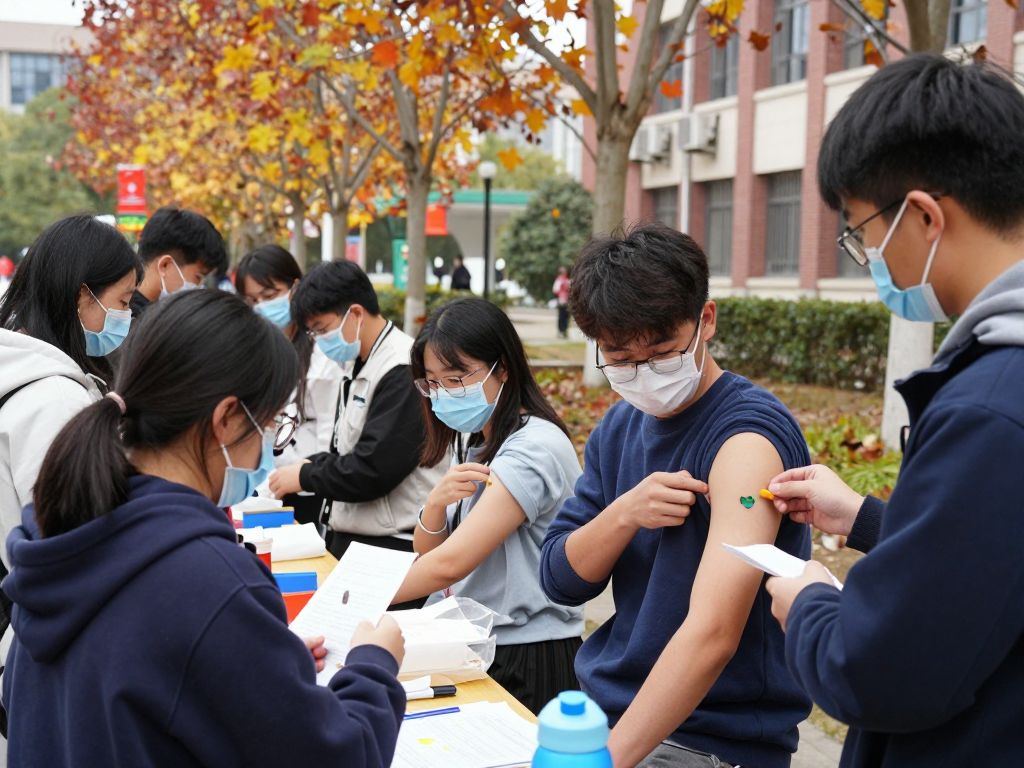
As temperatures drop in Texas, Houston’s universities are seeing a rise in influenza cases, emphasizing health vigilance and communal responsibility. Over the past five weeks, healthcare visits for flu in the Houston area have surged significantly compared to last year. Local institutions are prioritizing vaccination and implementing preventative health measures to ensure student well-being and uninterrupted academic activities, reinforcing the importance of fostering a healthy community during this challenging flu season.
Houston, TX — As the autumn chill gives way to cooler temperatures across the Lone Star State, Houston’s vibrant university and college communities are navigating a significant rise in influenza cases. This surge underscores the importance of individual discipline and communal responsibility in maintaining a robust academic environment. Educational institutions play a critical role, not only in academic and athletic development but also in fostering a healthy populace capable of leadership and positive community impact.
The current flu season presents a reminder that vigilance and proactive health measures are paramount. Universities and colleges, as hubs of innovation and personal growth, are reinforcing health protocols and encouraging student engagement in preventative practices. This commitment to student well-being is vital for ensuring uninterrupted learning, research, and campus life, ultimately contributing to the broader health and economic vitality of Texas.
Understanding the Current Flu Landscape in Texas
Texas is experiencing a notable increase in influenza activity as the season progresses. Data from the second week of December revealed that approximately 18% of flu tests came back positive across the state. This figure serves as a clear indicator of the virus’s growing presence within the population. Looking back to the second week of November, more than 3,000 Texans sought emergency room care for flu-related symptoms, which represents more than double the number recorded during the same period last year.
While the Centers for Disease Control and Prevention (CDC) has characterized Texas’ flu activity as “minimal” in some assessments, there is a clear trend of rising positive flu tests nationwide, signaling an intensifying season. Influenza, a highly contagious respiratory illness, is known to cause a range of symptoms including fever, cough, sore throat, fatigue, headaches, and muscle aches. The Texas Department of State Health Services (DSHS) diligently tracks flu activity through a statewide sentinel surveillance network, compiling data from hospitals and clinics into a Weekly Flu Surveillance Report to monitor the virus’s spread. It is important to note that public health authorities do not mandate the reporting of all flu cases, meaning the exact number of infections across the state is likely higher than reported figures.
Houston’s Local Experience with Rising Cases
Within the Houston metropolitan area, the impact of the surging flu season is distinctly felt. Recent observations indicate that the Houston-area has been averaging approximately 1.7 times as many influenza-related healthcare visits per week over the past five weeks compared to the corresponding period in the previous year. Further underlining the spread, wastewater surveillance in Houston has shown influenza A levels to be very high and increasing. Local hospitals are also reporting a rise in admissions for influenza and related complications, such as secondary bacterial pneumonia. However, a positive note for the city is that no pediatric flu deaths have been reported in Houston so far this flu season.
The Importance of Vaccination on Campus
For college communities, vaccination stands as the cornerstone of effective flu prevention. The CDC consistently recommends a yearly flu vaccine as the primary and most crucial action to mitigate the risk of contracting influenza and developing severe complications. The vaccine functions by enabling the body to develop antibodies, which are essential for combating various flu strains and significantly reducing the severity of the illness if infection occurs. Typically, it takes about two weeks after vaccination for protective antibodies to fully develop.
This season, some health experts have expressed concerns about a potentially more severe flu season due to the emergence of a new H3N2 flu variant, for which current vaccines might offer reduced protection. Despite this, health authorities and medical professionals uniformly emphasize that vaccination remains the most effective defense, substantially lowering the likelihood of severe illness and hospitalization. Universities across Texas are championing this message. Institutions like the University of Texas and Texas A&M University frequently provide accessible flu vaccination clinics, often at no cost for their students, underscoring their commitment to both individual and collective campus health.
Proactive Health Measures for Students and Staff
Beyond vaccination, adherence to everyday preventive health practices is essential, particularly within the close-knit environments of university campuses. These measures, rooted in personal responsibility, are critical for slowing the spread of respiratory illnesses. Key practices include frequent hand washing with soap and water for at least 20 seconds, or using an alcohol-based hand sanitizer when soap and water are unavailable. Covering coughs and sneezes with a tissue or into the elbow, and avoiding touching the eyes, nose, and mouth, are also fundamental.
Crucially, individuals exhibiting flu-like symptoms are strongly advised to stay home to prevent infecting others. The CDC recommends remaining home for at least 24 hours after a fever has subsided without the aid of fever-reducing medication. Many Texas universities provide clear guidelines and support for students who need to miss classes due to illness, emphasizing academic continuity while prioritizing health. This responsible approach helps to safeguard the entire academic community and minimize disruptions to learning and campus activities.
Recognizing Symptoms and Seeking Care
Understanding the symptoms of influenza and knowing when to seek medical attention are vital components of personal health management. Common flu symptoms, which often appear suddenly, include fever, cough, sore throat, runny or stuffy nose, muscle aches, headaches, and fatigue. While some individuals, especially children, may also experience vomiting and diarrhea, these symptoms are less common in adults.
For most people, flu symptoms resolve on their own with rest and fluids. However, certain emergency warning signs necessitate immediate medical care. These include difficulty breathing or shortness of breath, persistent chest pain or pressure, ongoing dizziness, confusion, seizures, severe weakness or muscle pain, or a fever or cough that improves but then returns or worsens. Consulting with a healthcare provider early, particularly within 48 hours of symptom onset, can also open the door to antiviral medications such as oseltamivir (Tamiflu) or baloxavir (Xofluza), which can help reduce the severity and duration of the illness, especially for those at high risk of complications.
Broader Impact and Community Responsibility
The trajectory of flu season extends beyond individual health, impacting the broader Texas community and its educational infrastructure. Nationwide, the 2024-2025 flu season has already seen 560,000 hospitalizations and 280 pediatric deaths, underscoring the serious nature of this annual health challenge. This reality highlights the profound importance of every individual’s contribution to public health through conscientious actions.
For Houston’s higher education institutions, cultivating a culture of health and personal responsibility is integral to their mission. By embracing preventative measures, seeking timely care, and supporting one another, students, faculty, and staff demonstrate leadership that extends beyond the classroom and into the community. A healthy campus environment directly supports academic freedom, the pursuit of research, and the development of future leaders who understand the value of collective well-being.
As flu cases continue their upward trend in Texas, the commitment of Houston’s colleges and universities to health education and preventative care is more crucial than ever. By championing vaccination, promoting responsible health practices, and providing accessible care, these institutions are not only protecting their own communities but also setting an example for the entire state.
Readers are encouraged to remain informed about local health advisories, explore the health and wellness programs offered by their respective universities, and actively participate in campus events focused on health and community well-being. Staying updated on Houston’s college community news, including academic achievements, research breakthroughs, and student life initiatives, contributes to a more informed and engaged citizenry.
Keywords: Texas higher education, Houston TX college news, university health services, flu prevention Texas, student well-being
Flu Season in Texas: Key Statistics and Prevention
| Category | Detail | Scope |
|---|---|---|
| Flu Test Positivity (Second Week Dec) | Approximately 18% | State-level (Texas) |
| Emergency Room Visits for Flu (Second Week Nov) | Over 3,000 Texans (more than double last year) | State-level (Texas) |
| Houston-Area Healthcare Visits for Flu (Past 5 Weeks) | Approximately 1.7 times more than previous year | Houston-specific |
| Influenza A Levels in Houston Wastewater | Very high and increasing | Houston-specific |
| 2024-2025 Flu Season Hospitalizations | 560,000 people | Nationwide |
| 2024-2025 Flu Season Pediatric Deaths | 280 children | Nationwide |
| Key Prevention Strategy | Annual Flu Vaccine | General Health |
| Everyday Preventive Actions | Hand washing, covering coughs/sneezes, staying home when sick | General Health |
Frequently Asked Questions About Flu in Texas Colleges
What percentage of flu tests were positive in Texas in the second week of December?
Approximately 18% of flu tests came back positive in the second week of December across Texas.
How many Texans visited emergency rooms for flu in the second week of November?
In the second week of November, over 3,000 Texans visited an emergency room for the flu.
Are flu cases increasing in Houston-area healthcare visits compared to last year?
Yes, the Houston-area was averaging about 1.7 times as many influenza-related healthcare visits per week for the past five weeks compared to the same time frame the previous year.
What is the Centers for Disease Control and Prevention’s main recommendation for flu prevention?
The Centers for Disease Control and Prevention (CDC) recommends a yearly flu vaccine as the primary and most crucial action to reduce the risk of flu and its severe outcomes.
What are some common symptoms of influenza?
Common symptoms of influenza include fever, cough, sore throat, runny or stuffy nose, muscle or body aches, headaches, and fatigue.
When should someone seek immediate medical attention for flu symptoms?
Immediate medical care is necessary for emergency warning signs such as difficulty breathing, persistent chest pain or pressure, persistent dizziness, seizures, severe weakness, or a fever or cough that improves but then returns or worsens.
Deeper Dive: News & Info About This Topic
HERE Resources
Uncertainty Looms Over Local Businesses as Tariffs Face Legal Challenges
Rising Egg Prices Spark Creative Alternatives This Easter
Measles Outbreak in West Texas: A Wake-Up Call for Houston

Author: STAFF HERE HOUSTON TX WRITER
The HOUSTON STAFF WRITER represents the experienced team at HEREHouston.com, your go-to source for actionable local news and information in Houston, Harris County, and beyond. Specializing in "news you can use," we cover essential topics like product reviews for personal and business needs, local business directories, politics, real estate trends, neighborhood insights, and state news affecting the area—with deep expertise drawn from years of dedicated reporting and strong community input, including local press releases and business updates. We deliver top reporting on high-value events such as Houston Livestock Show and Rodeo, Art Car Parade, and Chevron Houston Marathon. Our coverage extends to key organizations like the Greater Houston Partnership and Houston Area Urban League, plus leading businesses in energy and healthcare that power the local economy such as ExxonMobil, Schlumberger, and Houston Methodist. As part of the broader HERE network, including HEREAustinTX.com, HERECollegeStation.com, HEREDallas.com, and HERESanAntonio.com, we provide comprehensive, credible insights into Texas's dynamic landscape.