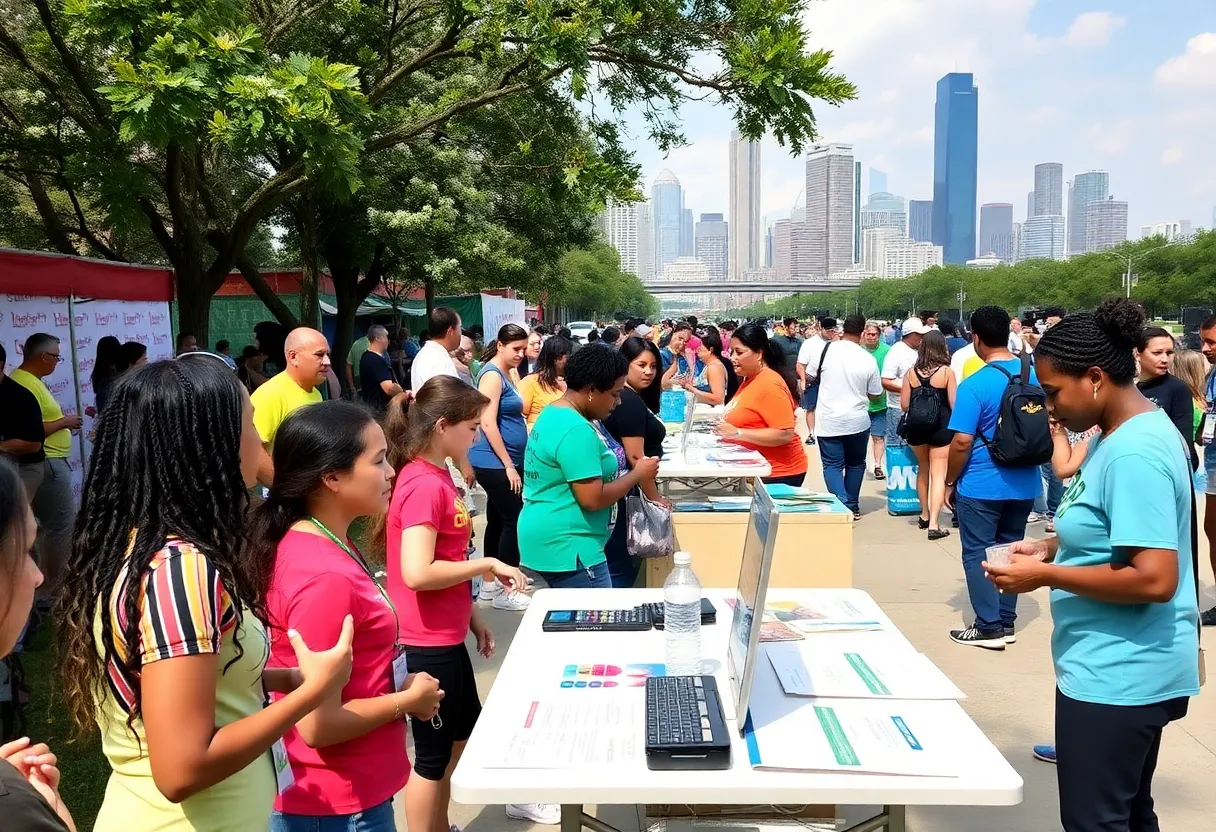


Texas, December 8, 2025
The Texas Comptroller’s office has revamped the Historically Underutilized Business (HUB) program, now exclusively supporting service-disabled veteran-owned businesses. This significant restructuring revokes HUB certification for over 15,000 businesses, mainly impacting women and minority-owned enterprises. The changes have led to concerns among affected business owners about declining revenue and contract renewals, as the Veteran Heroes United in Business program (VetHUB) emerges amidst local government commitments to supporting diversity in business.
San Antonio, Texas
Texas Overhauls HUB Program, Excluding Women and Minority-Owned Businesses
The Texas Comptroller’s office has undertaken a significant restructuring of the Historically Underutilized Business (HUB) program. This initiative now focuses exclusively on businesses owned by service-disabled veterans with a 20% or higher service-connected disability. As a result of this change, women and minority-owned businesses are no longer eligible for participation, leading to widespread confusion and concern among these business owners.
Program Changes and Immediate Impact
The HUB program was originally established in the 1990s with the purpose of ensuring state contracting opportunities for businesses owned by economically disadvantaged groups, including women, Black Americans, Hispanic Americans, Asian Pacific Americans, Native Americans, and service-disabled veterans. The recent modifications have transformed the HUB program into the Veteran Heroes United in Business program (VetHUB), now solely catering to service-disabled veteran-owned businesses. The Texas Comptroller’s office has revoked the HUB certifications of over 15,000 businesses, thus excluding them from the HUB vendor directory.
Reactions from Affected Business Owners
The abrupt removal from the program has left many business owners feeling bewildered and concerned. Those impacted have reported notable declines in revenue, attributing this downturn to canceled seminars and a reluctance from clients to renew contracts. Businesses such as B2G Victory and HireOps Staffing are seeking innovative strategies to adapt to the new challenges posed by the revised program, aiming to maintain and attract customers in a more competitive landscape without the benefits of HUB certification.
Background and Legislative Context
The HUB program was created to combat historical discrimination within state contracting landscapes by promoting opportunities for underrepresented groups. The swift implementation of the program overhaul was carried out through emergency rules and aligns with broader efforts to comply with executive orders that limit diversity, equity, and inclusion initiatives in government. The changes have triggered discussions regarding the authority of the Comptroller’s office to make such adjustments without legislative approval, with some lawmakers expressing disappointment over the potential ramifications for minority and women-owned businesses.
Implications for Local Programs
While the changes at the state level have raised concerns, local initiatives such as the City of Houston’s Minority and Women-Owned Business Enterprises (MWSBE) program remain intact and unaffected. The City has reiterated its commitment to supporting minority and women-owned businesses, indicating its readiness to evaluate the long-term implications of the state’s decisions. However, the suspension of the HUB program may heighten competition for local contracts and challenge the viability of many small businesses striving for success.
Conclusion
The restructuring of Texas’s HUB program has significant consequences for women and minority-owned businesses, effectively cutting off access to what was once a vital avenue for state contracting opportunities. Business owners are now in search of alternative pathways to navigate these changes, while local governments continue to provide support through existing programs. As the landscape shifts, ongoing engagement and advocacy for small businesses will be vital to sustaining Houston’s economic vitality and entrepreneurial spirit.
FAQ
- What is the HUB program?
- The Historically Underutilized Business (HUB) program was established in the 1990s to provide state contracting opportunities to businesses owned by economically disadvantaged groups, including women, Black Americans, Hispanic Americans, Asian Pacific Americans, Native Americans, and service-disabled veterans.
- What changes have been made to the HUB program?
- The Texas Comptroller’s office has restructured the HUB program to focus solely on businesses owned by service-disabled veterans with a 20% or higher service-connected disability. This change effectively removes women and minority-owned businesses from the program.
- How have business owners reacted to these changes?
- Business owners who have been removed from the program express confusion and concern. Many report a significant drop in revenue due to canceled seminars and hesitance from clients to renew contracts.
- Does this change affect local programs?
- Local programs, such as the City of Houston’s Minority and Women-Owned Business Enterprises (MWSBE) program, remain unaffected by the state-level changes. The City of Houston has emphasized its commitment to supporting minority and women-owned businesses.
- What is the future of the HUB program?
- The future of the HUB program is uncertain, as the recent changes have sparked debate over the authority of the Comptroller’s office to alter the program without legislative approval. Some question the constitutionality of the program’s original statute, leading to potential legal challenges.
Key Features
| Feature | Description |
|---|---|
| Program Restructuring | The HUB program now focuses solely on businesses owned by service-disabled veterans with a 20% or higher service-connected disability, effectively removing women and minority-owned businesses from the program. |
| Impact on Business Owners | Over 15,000 businesses have had their HUB certifications revoked, leading to confusion and concern among affected business owners. |
| Local Program Status | Local programs, such as the City of Houston’s Minority and Women-Owned Business Enterprises (MWSBE) program, remain unaffected by the state-level changes. |
| Legislative Context | The changes have sparked debate over the authority of the Comptroller’s office to alter the program without legislative approval, with potential legal challenges anticipated. |
Deeper Dive: News & Info About This Topic
HERE Resources
Texas Launches New VetHUB Program, Supporting Veteran Entrepreneurs
Gain Insights at the Annual Thought Leader Liaison Engagement Summit
Epique Realty Launches Cap Deferment Program for Agents
Georgetown’s Historic Wesleyan Building Under Consideration for TML Headquarters
Base Power Raises $1 Billion for Texas Grid Renovation
Texas Express Initiative to Streamline Business Filings
Texas Tech Set for Big 12 Showdown Against Houston
Dallas Faces Economic Shock from New H-1B Visa Fee
Austin Invests in Education and Economic Development
NASA’s Johnson Space Center Faces Severe Budget Cuts

Author: STAFF HERE HOUSTON TX WRITER
The HOUSTON STAFF WRITER represents the experienced team at HEREHouston.com, your go-to source for actionable local news and information in Houston, Harris County, and beyond. Specializing in "news you can use," we cover essential topics like product reviews for personal and business needs, local business directories, politics, real estate trends, neighborhood insights, and state news affecting the area—with deep expertise drawn from years of dedicated reporting and strong community input, including local press releases and business updates. We deliver top reporting on high-value events such as Houston Livestock Show and Rodeo, Art Car Parade, and Chevron Houston Marathon. Our coverage extends to key organizations like the Greater Houston Partnership and Houston Area Urban League, plus leading businesses in energy and healthcare that power the local economy such as ExxonMobil, Schlumberger, and Houston Methodist. As part of the broader HERE network, including HEREAustinTX.com, HERECollegeStation.com, HEREDallas.com, and HERESanAntonio.com, we provide comprehensive, credible insights into Texas's dynamic landscape.