
What Are the Top 5 Trends in Houston Home Building for 2024?
1. Expansion of Built-to-Rent Communities
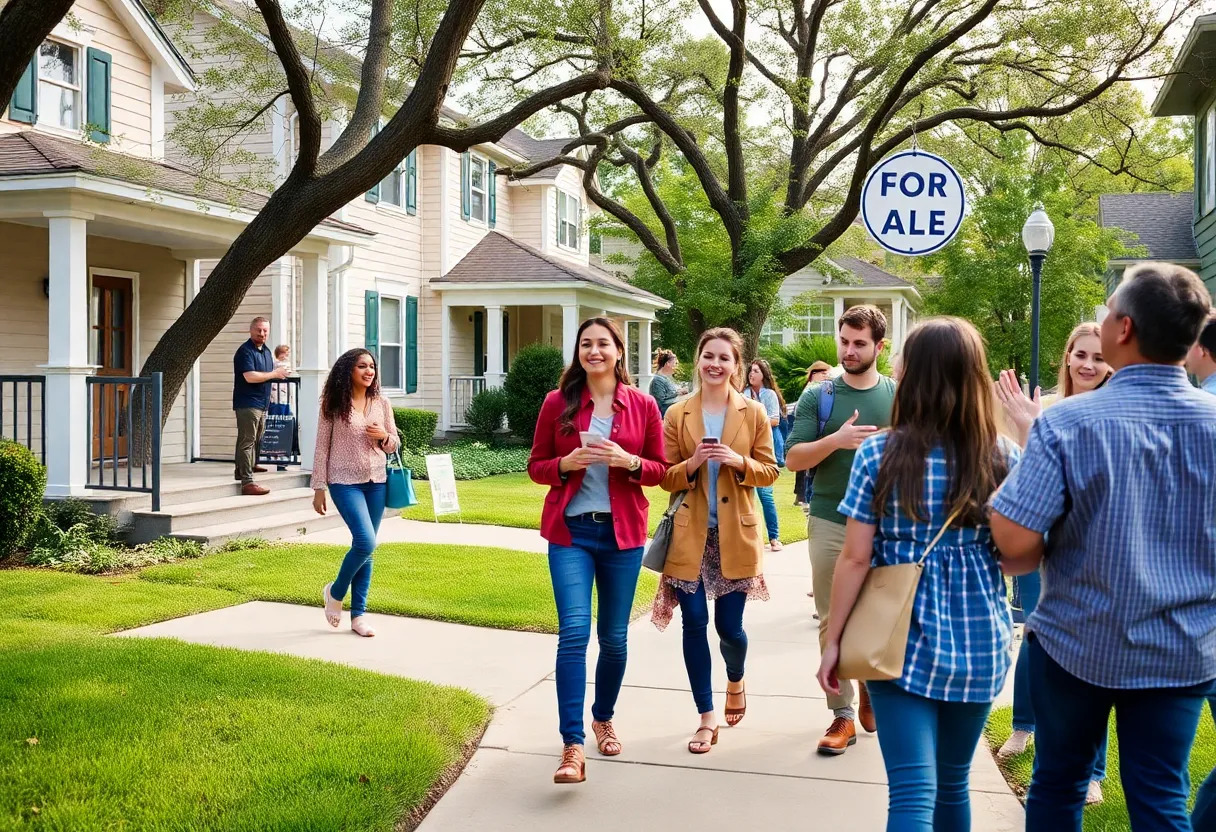
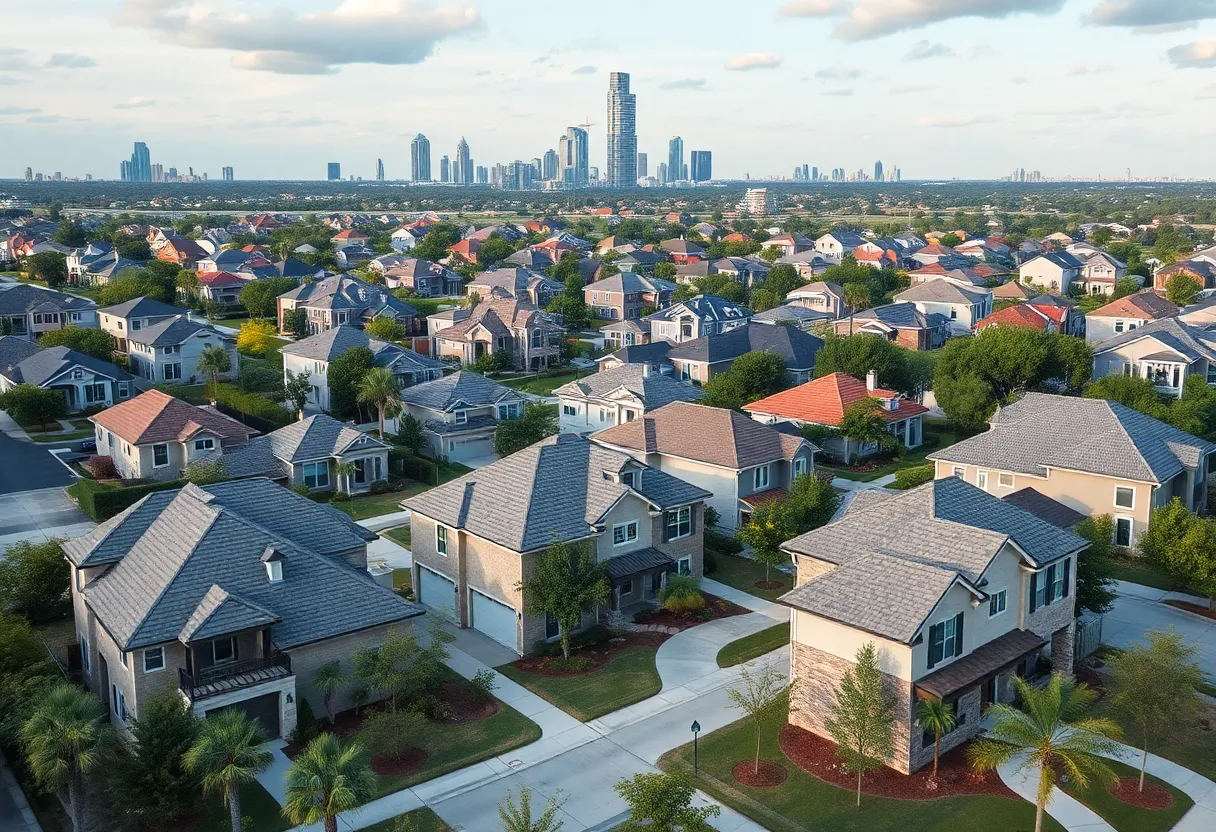
Houston has positioned itself as a prominent market for built-to-rent (BTR) housing developments. Over the past five years, the city completed approximately 2,402 BTR single-family homes, ranking fourth nationwide in this sector. Currently, an additional 4,836 units are under construction, with expected completion scheduled for next year. These communities primarily target renters who desire more space but prefer to avoid the responsibilities of traditional homeownership. This trend attracts a diverse demographic, including younger families seeking affordability and space, as well as empty nesters valuing low-maintenance living.
BTR developments emphasize community amenities, such as shared recreational spaces, smart landscaping, and integrated privacy features. They often include leasing management services that streamline maintenance and resident support, making them highly attractive for those seeking convenience without the long-term commitment of owning a home. The growth of BTR communities addresses Houston’s increasing population and housing needs, especially as the rental market remains robust amid urban expansion.
This expansion reflects broader national shifts recognizing rental housing as a sustainable alternative to traditional ownership, driven further by economic factors and lifestyle preferences. Developers are increasingly tailoring these communities to incorporate innovative design elements and amenities, fostering vibrant, walkable neighborhoods that appeal to modern renters.
2. Integration of Smart Home Technologies
Smart home technology continues to become a standard expectation in Houston’s new constructions. Builders now prioritize integrated systems that offer remote control over lighting, heating, cooling, security, and appliances. These systems are primarily accessed via smartphones or voice-activated devices, enhancing user convenience and security.
Energy efficiency is a critical focus within this trend. Smart thermostats allow homeowners to optimize heating and cooling schedules based on occupancy patterns, significantly reducing energy bills. Automated lighting systems adapt to natural light levels or user preferences, ensuring minimal waste. Additionally, smart appliances, such as refrigerators and washing machines, enable better resource management.
Security features have also evolved, with video doorbells, smart locks, and surveillance cameras providing real-time monitoring and remote access. These features increase safety and offer peace of mind, especially for those living in increasingly connected communities. Moreover, integration with home automation platforms enables seamless operation of multiple systems, creating interconnected ecosystems that support energy conservation, security, and lifestyle convenience.
The adoption of these technologies aligns with the broader push toward digital transformation in residential construction. As consumers grow more technologically savvy, their expectations for “smart” features continue to rise, driving builders to embed these innovations from the ground up.
3. Emphasis on Sustainability and Green Building Practices
Sustainability has become a central pillar in Houston’s home building industry for 2024. Builders are adopting environmentally friendly materials and construction methods to reduce carbon footprints and promote healthier living.
Materials such as recycled steel, bamboo, reclaimed wood, and low-impact concrete are increasingly used in new homes. These choices not only lower environmental impact but often result in durable, low-maintenance structures that appeal to environmentally conscious buyers.
Energy-efficient design remains a priority. Common features include solar panels, high-performance insulation, ENERGY STAR windows, and water-saving fixtures. Many builders aim for Leadership in Energy and Environmental Design (LEED) certification—an internationally recognized benchmark for sustainable building practices.
Incentives such as government rebates and tax credits further encourage homeowners to adopt green technologies. The benefits include lower utility costs, a reduced carbon footprint, and healthier indoor air quality. Moreover, developers emphasizing sustainability often see increased demand from buyers who view environmentally responsible homes as investments in their health and future.
This growing focus on green building practices reflects a broader industry recognition that sustainability is not only a moral imperative but also a strategic advantage in a competitive housing market.
4. Development of Multifunctional and Flexible Spaces
The evolving work landscape and lifestyle shifts have influenced Houston’s home design philosophy. Flexibility and multifunctionality are now critical in new homes, enabling residents to adapt spaces to varying needs.
Dedicated home offices with soundproofing, ample electrical outlets, and built-in desks are now standard. These spaces support remote working, learning, or creative pursuits. Additionally, rooms designed as multipurpose—serving as guest bedrooms, play or media rooms, or fitness areas—offer unparalleled versatility.
Outdoor living areas are also expanding in scope and functionality. Patios, outdoor kitchens, and entertainment zones are designed to extend living spaces into nature, perfect for entertaining or relaxing. These areas not only increase usable space but also improve overall property value.
Open floor plans, with movable or collapsible partitions, further enable residents to reconfigure interiors as needed. The integration of smart controls, like motorized curtains or movable dividers, enhances adaptability. This trend addresses the increasing demand for homes that support diverse lifestyles without sacrificing comfort or aesthetics.
The focus on multifunctional spaces underscores a shift toward home environments that prioritize practicality, comfort, and adaptability—key features for 2024 homeowners.
5. Adoption of Advanced Construction Techniques
Houston is at the forefront of innovative construction methods aimed at increasing efficiency, reducing costs, and shortening project timelines. Notable among these are scalable, low-cost building solutions like 3D printing.
Zuri Gardens exemplifies this innovation—a 13-acre project featuring 80 homes built with 3D printing technology. These homes, priced in the mid- to high-$200,000s, utilize low-carbon concrete blends that enhance durability and energy performance. 3D printing allows for rapid construction timelines, with reduced waste and material costs. Such techniques are increasingly being adopted in urban infill projects and affordable housing schemes.
Beyond 3D printing, Houston’s permitting processes are evolving. The Houston Permitting Center has introduced a pilot program to issue single-family home permits within 30 days. This streamlined process aims to eliminate bottlenecks, accelerate construction schedules, and reduce costs for developers and buyers.
Modular construction and prefabricated components are also gaining traction. These methods enable homes to be assembled quickly with minimal disruption and higher precision. The combination of these advanced techniques supports Houston’s need for affordable, high-quality housing options amid increasing urban growth.
As the city embraces innovation, it sets a precedent for smart, scalable building practices that meet the demands of a dynamic housing market.
FAQ
What are built-to-rent communities?
Built-to-rent communities are residential developments designed specifically for rental purposes, offering amenities and property management services to attract long-term renters.
How do smart home technologies enhance energy efficiency?
Smart home technologies, such as smart thermostats and automated lighting systems, allow homeowners to monitor and control energy usage, leading to reduced consumption and lower utility bills.
What are the benefits of sustainable building practices?
Sustainable building practices reduce environmental impact, lower energy costs, and often result in healthier living environments for occupants.
Why are multifunctional spaces important in modern homes?
Multifunctional spaces provide flexibility to accommodate various activities, such as working from home, exercising, or hosting guests, adapting to the diverse needs of homeowners.
What is 3D-printed housing?
3D-printed housing involves using 3D printing technology to construct homes, offering a faster and more cost-effective building process with potential for innovative designs.
Key Features Comparison Chart
| Trend | Focus Area | Innovative Element | Impact |
|---|---|---|---|
| Built-to-Rent Communities | Rental housing expansion | Large-scale, amenity-rich communities | Addresses urban housing needs; attracts diverse demographics |
| Smart Home Technologies | Automation & energy efficiency | Voice control, remote management | Enhances convenience; reduces utility costs |
| Sustainability & Green Building | Eco-friendly materials & design | Solar panels, LEED certification | Lower environmental impact; healthier living |
| Flexible & Multifunctional Spaces | Home design adaptability | Multipurpose rooms, outdoor zones | Supports remote work and versatile lifestyles |
| Advanced Construction Techniques | Innovative building methods | 3D printing, modular construction | Faster, cost-effective housing solutions |

Author: STAFF HERE HOUSTON TX WRITER
The HOUSTON STAFF WRITER represents the experienced team at HEREHouston.com, your go-to source for actionable local news and information in Houston, Harris County, and beyond. Specializing in "news you can use," we cover essential topics like product reviews for personal and business needs, local business directories, politics, real estate trends, neighborhood insights, and state news affecting the area—with deep expertise drawn from years of dedicated reporting and strong community input, including local press releases and business updates. We deliver top reporting on high-value events such as Houston Livestock Show and Rodeo, Art Car Parade, and Chevron Houston Marathon. Our coverage extends to key organizations like the Greater Houston Partnership and Houston Area Urban League, plus leading businesses in energy and healthcare that power the local economy such as ExxonMobil, Schlumberger, and Houston Methodist. As part of the broader HERE network, including HEREAustinTX.com, HERECollegeStation.com, HEREDallas.com, and HERESanAntonio.com, we provide comprehensive, credible insights into Texas's dynamic landscape.